
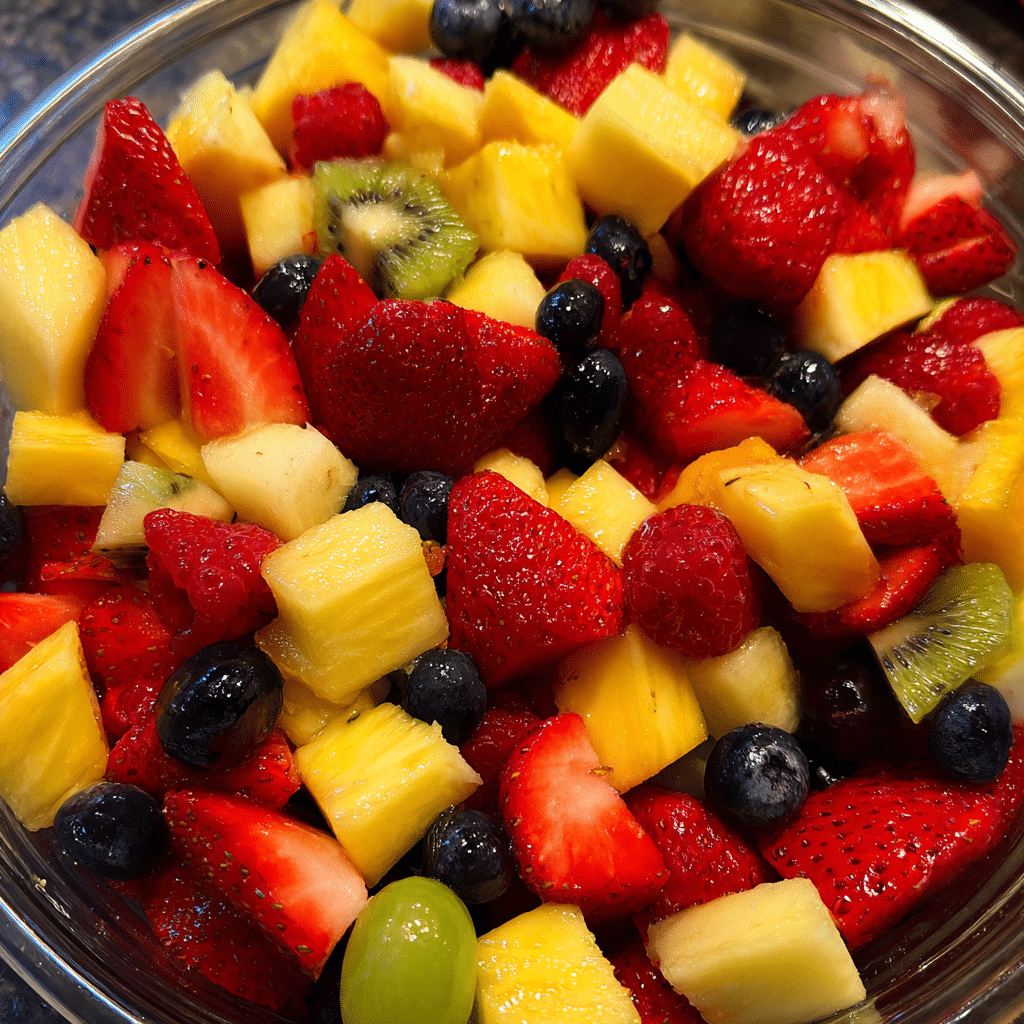
Tired of bringing the same boring fruit tray to gatherings? You know the one a plastic container of pre-cut melon cubes that taste like refrigerator, mixed with hard strawberries and oxidized apples that have turned brown. Your potluck contributions deserve better, and so do the people you’re feeding.
This side dish the best fruit salad transforms ordinary fruit into something extraordinary. Picture this: jewel-toned berries, tropical chunks, and crisp citrus bathed in a light honey-lime dressing that makes every bite sing. The secret? A carefully balanced combination of textures, colors, and a dressing that enhances rather than masks the natural sweetness of perfectly ripe fruit. This isn’t just tossed-together fruit it’s a thoughtfully composed side dish that disappears from buffet tables in minutes.
I’m Simon, and after years of perfecting recipes with my talented team Megan Carter, Jackson Reed, and Olivia Brooks I’ve learned that simple dishes require just as much attention as complex ones. When Olivia challenged us to create a fruit salad worthy of photographing, we spent weeks testing fruit combinations, dressing ratios, and prep techniques. Megan’s pastry background taught us about balancing sweetness and acidity, Jackson surprised us by suggesting we treat fruit selection like choosing quality ingredients for grilling (ripeness matters!), and Olivia showed us that presentation transforms a side dish into a showstopper.
In this comprehensive guide, you’ll discover everything: selecting peak-season fruit, mastering the perfect dressing, achieving restaurant-quality presentation, and keeping your fruit salad fresh and vibrant for hours. You’ll also find creative variations for different seasons, dietary preferences, and occasions. Whether you’re planning a summer BBQ, holiday brunch, or weeknight dinner, this fruit salad will become your most-requested contribution.
Why This Side Dish The Best Fruit Salad Works
There’s a reason this side dish the best fruit salad consistently earns compliments and empty bowls. It combines fundamental techniques with smart ingredient choices that elevate simple fruit to something memorable.
- Perfectly balanced honey-lime dressing: Just enough sweetness to enhance natural fruit flavors without overwhelming them, with citrus brightness that prevents oxidation and keeps everything fresh
- Strategic fruit selection: Combines different textures (crisp, juicy, creamy) and flavors (sweet, tart, tropical) for complexity in every bite
- No soggy fruit syndrome: Proper prep techniques ensure the salad stays fresh and crisp for hours, not minutes
- Naturally beautiful presentation: The rainbow of colors creates an Instagram-worthy dish with zero artificial dyes or garnishes needed
- Flexible and forgiving: Works with whatever fruits are in season and at peak ripeness, making it perfect year-round
- Quick preparation: Ready in 15 minutes with no cooking required perfect when you’re short on time or oven space
- Crowd-pleaser for all ages: From toddlers to grandparents, everyone loves fresh fruit done right
- Dietary-friendly: Naturally vegan, gluten-free, dairy-free, and paleo accommodates virtually every dietary restriction
The light honey-lime dressing does double duty: it adds flavor while the citrus acid prevents browning, keeping your fruit salad looking fresh and appetizing from first serving to last.
Choosing the Right Fruit for Side Dish The Best Fruit Salad
Fruit selection makes or breaks your salad. Here’s your guide to choosing produce that delivers maximum flavor, texture, and visual appeal.
Best Fruit Combinations for Side Dish The Best Fruit Salad
Berries for pop and color: Strawberries, blueberries, raspberries, and blackberries provide vibrant color, antioxidants, and bursts of sweet-tart flavor. Choose berries that are plump, firm, and deeply colored. Avoid berries with white shoulders (underripe strawberries) or soft, mushy texture (overripe).
Tropical fruits for creaminess: Mango, pineapple, and kiwi add tropical flair and varied textures. Mangoes contribute creamy sweetness, pineapple offers juicy tang, and kiwi brings bright green color with slight tartness. These fruits hold their shape well and don’t oxidize quickly.
Stone fruits for seasonal sweetness: Peaches, nectarines, plums, and cherries shine in summer. Their soft, juicy flesh and natural sweetness make them perfect warm-weather additions. Use firm-ripe stone fruits that yield slightly to pressure but aren’t mushy.
Citrus for brightness: Orange segments, grapefruit, and mandarin oranges add refreshing acidity and beautiful color contrast. Remove all white pith and membranes for the best texture and flavor.
Grapes for crisp sweetness: Red, green, or black grapes add satisfying crunch and natural candy-like sweetness. Halve larger grapes for easier eating and better dressing distribution.
Melon for volume: Watermelon, cantaloupe, and honeydew provide bulk and hydration without overwhelming flavor. Cut into bite-sized cubes and use ripe, fragrant melons for best results.
Apples and pears for crunch: While these oxidize quickly, the honey-lime dressing prevents browning. Choose crisp varieties like Honeycrisp, Fuji, or Granny Smith apples, and firm pears like Bosc or Anjou.
Buying Tips for Side Dish The Best Fruit Salad
Shop seasonally: Fruit at peak season delivers maximum flavor and value. Summer brings berries and stone fruits, fall offers apples and pears, winter features citrus, and spring brings early strawberries. Out-of-season fruit is expensive and often flavorless.
The smell test: Ripe fruit smells fragrant and sweet at the stem end. No smell means it’s underripe; fermented or overly sweet smell means it’s past prime.
Feel for ripeness: Gentle pressure reveals ripeness. Berries should be firm but not hard, melons should have slight give at the blossom end, stone fruits should yield gently to pressure, and citrus should feel heavy for their size (indicating juiciness).
Color indicators: Deep, vibrant colors usually indicate ripeness and flavor. Strawberries should be fully red with no white shoulders, blueberries should be covered in a silvery bloom, mangoes show yellow or red blush when ripe (but green varieties exist).
Buy organic for the “dirty dozen”: Strawberries, apples, grapes, peaches, and nectarines consistently test high for pesticide residues. If budget allows, choose organic for these fruits.
Purchase extra: Buy 10-15% more fruit than your recipe calls for. You’ll lose some to trimming, testing for ripeness, and snacking during prep (inevitable!).
Fruit Substitutions for Side Dish The Best Fruit Salad
Frozen fruit emergency option: While fresh is always preferred, frozen fruit works in a pinch. Thaw completely and drain excess liquid before adding. Frozen berries work better than frozen melon or citrus. The texture will be softer, so adjust expectations.
Canned alternatives: Mandarin oranges, pineapple chunks, and peaches canned in juice (not syrup) can substitute for fresh. Drain thoroughly and rinse to remove excess sweetness. Use as no more than 25% of your total fruit to maintain fresh flavor.
Dried fruit accents: Small amounts of dried cranberries, cherries, or chopped apricots add chewy texture and concentrated flavor. Plump them in warm water for 10 minutes before adding to prevent them from absorbing moisture from fresh fruit.
What to avoid: Don’t use bananas (they brown quickly and become mushy), avocado (while delicious, it doesn’t belong in fruit salad), or overly soft/bruised fruit that will break down and make the salad watery.
Ingredients & Prep for Side Dish The Best Fruit Salad
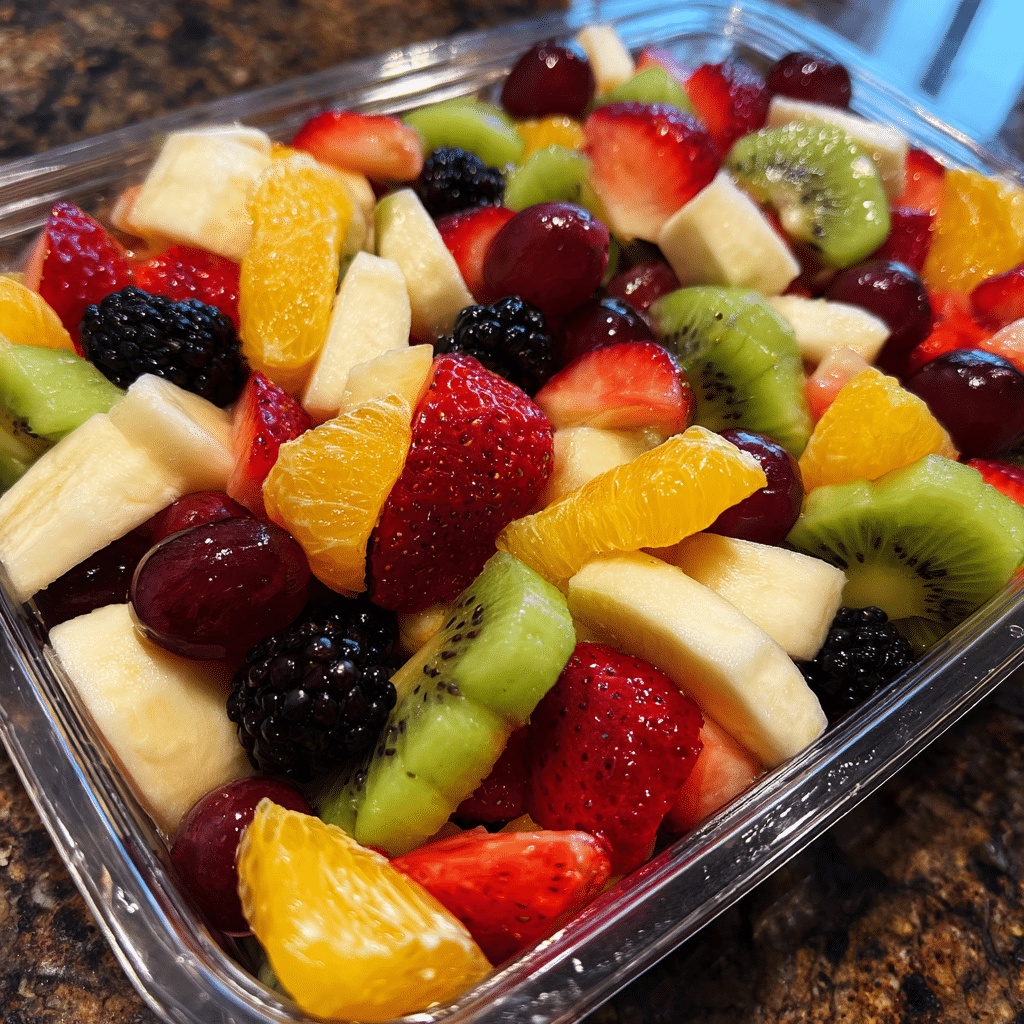
Proper preparation ensures your fruit salad looks and tastes amazing from the moment you serve it until the last scoop disappears.
Fruit Preparation Essentials for Side Dish The Best Fruit Salad
Universal rule: Bite-sized pieces: Cut all fruit into roughly 1-inch pieces for uniform appearance and easy eating. Nobody wants to chase a giant watermelon chunk around their plate.
Berry prep: Rinse strawberries gently and pat dry with paper towels. Remove hulls and quarter or halve depending on size. Rinse other berries gently in a colander just before using—earlier washing causes them to mold faster. Pat dry completely; wet berries dilute the dressing.
Tropical fruit technique: For mangoes, use the “hedgehog” method: cut along each side of the pit, score the flesh in a crosshatch, push the skin inside-out, and cut away cubes. For pineapple, remove the core (it’s tough and fibrous) and cut into chunks. Peel kiwi with a vegetable peeler or slice off the ends and scoop out flesh with a spoon.
Stone fruit prep: Halve around the pit, twist to separate, remove pit, and slice or chop. Keep pieces slightly larger than berries since they’ll soften more.
Citrus supreming: For the best texture, “supreme” citrus by cutting away all peel and pith, then cutting between membranes to release individual segments. This eliminates chewy membranes.
Apple and pear treatment: Cut just before serving and toss immediately in the honey-lime dressing to prevent oxidation. The acid in lime juice keeps them from turning brown.
Melon prep: Use a melon baller for impressive presentation, or cut into uniform cubes. Remove all seeds and rind completely.
Grape halving: Halve grapes lengthwise with a sharp knife. This helps dressing coat them better and makes them easier to eat.
Core Ingredients for Side Dish The Best Fruit Salad
Fresh Fruit Base (about 8-10 cups total):
- 2 cups strawberries, hulled and quartered
- 1½ cups blueberries
- 1 cup raspberries
- 1 cup blackberries (or more blueberries)
- 2 cups diced fresh pineapple
- 1½ cups diced mango
- 2 kiwis, peeled and sliced
- 1½ cups red grapes, halved
- 1 cup orange segments (about 2 medium oranges)
Honey-Lime Dressing:
- ¼ cup fresh lime juice (about 2-3 limes)
- 3 tablespoons honey
- 1 tablespoon lime zest
- 1 teaspoon vanilla extract (optional, adds depth)
- Pinch of salt (enhances sweetness)
Optional Garnishes:
- 2 tablespoons fresh mint leaves, chopped
- 1 tablespoon fresh basil, thinly sliced
- ¼ cup unsweetened shredded coconut
- 2 tablespoons pomegranate arils (for jewel-like pops of color)
The Perfect Dressing for Side Dish The Best Fruit Salad
Honey as sweetener: Honey dissolves easily in citrus juice and adds floral complexity that white sugar lacks. Use raw honey for maximum flavor. If vegan, substitute maple syrup or agave nectar.
Fresh lime juice is essential: Bottled lime juice lacks the bright, fresh flavor of hand-squeezed. The acidity prevents fruit oxidation while adding zing. Lemon juice works as a substitute, but lime’s slightly sweeter profile complements tropical fruits better.
Lime zest for intensity: The oils in zest deliver concentrated citrus flavor without additional acidity. Use a microplane for fine zest that distributes evenly.
Vanilla extract secret: A small amount enhances fruit’s natural sweetness and adds aromatic complexity. This is completely optional but creates a subtle “what’s that delicious flavor?” effect.
Salt transforms everything: A tiny pinch of salt amplifies sweetness and makes all flavors more vibrant. Don’t skip this—it’s the secret ingredient professional chefs use.
Step-by-Step Assembly Instructions for Side Dish The Best Fruit Salad
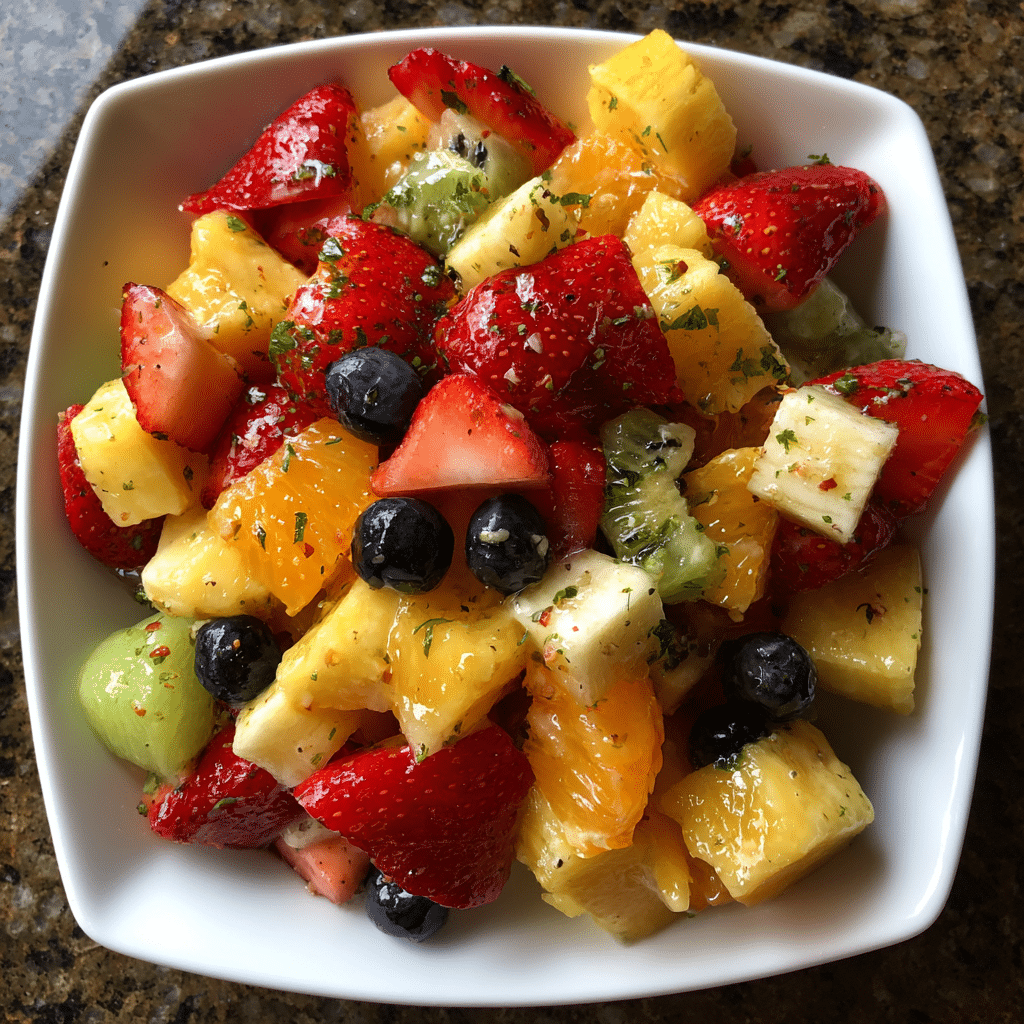
Follow these steps for a fruit salad that looks professionally prepared and tastes incredible.
Pre-Prep for Side Dish The Best Fruit Salad
- Gather equipment: You’ll need a large mixing bowl (at least 4-quart capacity), sharp chef’s knife, cutting board, measuring cups, small bowl for dressing, whisk, and serving bowl or platter.
- Wash all fruit: Rinse everything except berries (save those for last). Pat dry with clean kitchen towels. Wet fruit dilutes dressing and makes the salad soggy.
- Prep fruit in order: Start with fruits that don’t oxidize (berries, tropical fruit, grapes, citrus), then do apples/pears last just before mixing. This prevents browning while you work.
- Make the dressing: In a small bowl, whisk together lime juice, honey, lime zest, vanilla (if using), and salt until honey dissolves completely. The dressing should be smooth and unified, not separated.
- Chill your serving bowl: For summer gatherings, chill your serving bowl in the freezer for 15 minutes. This keeps fruit salad cool longer at room temperature events.
Assembly Method for Side Dish The Best Fruit Salad
- Layer strategically: Start with sturdier fruits (pineapple, mango, grapes, citrus) in the bottom of your mixing bowl. Add medium-firm fruits (stone fruits, apples, melon) next. Top with delicate berries last—this prevents them from getting crushed.
- Drizzle the dressing: Pour the honey-lime dressing evenly over all the fruit. Don’t dump it in one spot; distribute it across the entire surface for even coating.
- Gentle folding technique: Use a large rubber spatula or spoon to fold fruit from bottom to top, rotating the bowl as you work. Think of it like folding egg whites into cake batter—gentle, slow movements prevent fruit from breaking apart. Mix just until dressing coats everything evenly, about 8-10 folds.
- Taste and adjust: Sample a bite of different fruits. Need more sweetness? Drizzle in another tablespoon of honey. Want more tang? Add a squeeze of lime juice. Flavors should be balanced—no single element overpowering others.
- Add fresh herbs: If using mint or basil, fold them in gently at the very end. Their aromatic oils release when bruised, so minimal handling preserves maximum flavor.
Timing for Side Dish The Best Fruit Salad
Ideal make-ahead window: Prepare this salad 1-4 hours before serving for optimal texture and flavor. The fruit releases juices that blend with the dressing, creating a delicious light syrup, but the pieces remain firm and fresh.
Same-day serving: If eating within 2 hours, you can leave it at room temperature (assuming it’s not above 75°F). For longer periods, refrigerate and bring to room temperature 20 minutes before serving for best flavor.
What happens if made too early: Beyond 8 hours, fruit begins breaking down. Berries especially become soft and release excessive liquid. The salad is still edible but loses its visual appeal and crisp texture.
Presentation for Side Dish The Best Fruit Salad
Transfer to serving bowl: Pour the fruit salad into your chilled serving bowl. Arrange the top layer attractively—position colorful pieces (strawberries, kiwi slices, orange segments) where they’re visible.
Garnish thoughtfully: Scatter fresh mint leaves, pomegranate arils, or coconut flakes over the top just before serving. This adds visual interest and signals freshness.
Serving vessel matters: Use a clear glass bowl to showcase the beautiful colors, a white bowl for elegant contrast, or a hollowed-out watermelon half for impressive summer presentations.
Provide proper utensils: A large slotted spoon allows guests to drain excess liquid as they serve themselves, preventing soggy plates.
Pro Tips for Perfect Side Dish The Best Fruit Salad
These expert techniques ensure your fruit salad stands out from every other bowl at the gathering.
Avoiding Common Fruit Salad Mistakes for Side Dish The Best Fruit Salad
Don’t overdress: More dressing isn’t better. Too much makes fruit swim in liquid and dilutes natural flavors. Start with the recipe amount; you can always add more, but you can’t remove excess.
Skip the sugar: Honey provides sweetness plus flavor complexity. Granulated sugar doesn’t dissolve well and creates gritty texture. If you must use sugar, dissolve it in the lime juice first by whisking vigorously.
Avoid pre-cut fruit: Those convenience fruit trays are cut days in advance. The fruit is less flavorful, often underripe, and more expensive per pound. Take 15 minutes to cut fresh fruit yourself—the difference is dramatic.
Don’t mix until ready to serve: Dressing causes fruit to release liquid over time. If making ahead, keep fruit and dressing separate, combining them just 30-60 minutes before serving.
Never use metal bowls: Metal can react with acidic citrus and create off-flavors. Use glass, ceramic, or high-quality plastic bowls.
Size matters: Keep all pieces roughly the same size for uniform appearance and flavor distribution. A giant strawberry half next to tiny blueberries looks sloppy.
Tool Recommendations for Side Dish The Best Fruit Salad
Sharp chef’s knife: A dull knife crushes fruit instead of cleanly slicing it, releasing excessive juice and creating ragged edges. Keep your knife sharp for best results.
Large mixing bowl: A 4-6 quart bowl gives you room to fold fruit gently without it spilling over the edges. Too-small bowls crush delicate berries.
Rubber spatula: The flexible edge scrapes every bit of dressing from the bowl and gently folds without bruising fruit.
Citrus zester/microplane: Creates fine zest that distributes evenly without bitter chunks of pith.
Melon baller: While not essential, it creates uniform, elegant melon pieces that elevate presentation.
Salad spinner: If you’re washing berries ahead, a salad spinner removes excess water efficiently, preventing diluted dressing.
Storage & Freshness Tips for Side Dish The Best Fruit Salad
Refrigeration: Store covered tightly with plastic wrap pressed directly against the surface (prevents oxidation). Best consumed within 24 hours. After that, texture deteriorates though it remains safe to eat for 3-4 days.
Reviving day-old salad: Drain off accumulated liquid and gently fold in a few tablespoons of fresh berries or diced fruit to refresh appearance and flavor.
Freezing: Don’t freeze fruit salad. The high water content in fresh fruit creates ice crystals that destroy cell structure. Thawed fruit salad is mushy and unappetizing.
Transporting: Pack in a container with a tight-fitting lid. Fill to about 80% capacity to prevent crushing during transport. Keep in a cooler with ice packs for outdoor events.
Preventing browning: For apples and pears, toss in honey-lime dressing immediately after cutting. For bananas (if you must include them), add just before serving and coat thoroughly in citrus juice.
Flavor Variations for Side Dish The Best Fruit Salad
Transform your basic fruit salad into something completely different with these tested variations that showcase seasonal ingredients and diverse flavor profiles.
Tropical Paradise Side Dish The Best Fruit Salad
Lean into exotic flavors with this warm-weather version:
- Feature pineapple, mango, papaya, and kiwi as primary fruits
- Add ½ cup unsweetened coconut flakes
- Replace honey-lime dressing with honey-coconut dressing (add 1 tablespoon coconut milk and ½ teaspoon coconut extract)
- Garnish with macadamia nuts or toasted coconut chips
- Add passion fruit pulp for extraordinary tropical flavor
This version transports you straight to a beach vacation.
Berry Bliss Side Dish The Best Fruit Salad
When berries are peak season, showcase them:
- Use only berries: strawberries, blueberries, raspberries, blackberries
- Add honey-lemon dressing instead of honey-lime (1 tablespoon lemon zest, ¼ cup lemon juice)
- Fold in fresh basil leaves for herbaceous notes
- Drizzle with balsamic reduction for sophistication (optional)
- Add crumbled goat cheese for savory-sweet contrast (unconventional but delicious)
Perfect for summer brunch or as a topping for shortcake.
Fall Harvest Side Dish The Best Fruit Salad
Embrace autumn flavors:
- Feature apples, pears, grapes, and pomegranate arils
- Replace tropical fruits with diced firm persimmons
- Add honey-cider dressing (substitute 2 tablespoons apple cider for some lime juice)
- Include ¼ teaspoon cinnamon in the dressing
- Garnish with candied pecans or walnuts
- Add dried cranberries for chewy texture
This pairs beautifully with Thanksgiving dinner.
Winter Citrus Side Dish The Best Fruit Salad
When citrus is at its peak:
- Showcase orange, grapefruit, blood orange, and mandarin segments
- Add pomegranate arils for jewel tones
- Include sliced kumquats for visual interest
- Use honey-orange dressing (half orange juice, half lime juice)
- Garnish with fresh mint and pistachios
- Add diced pear for textural variety
Bright, refreshing, and perfect for holiday tables.
Side Dish The Best Fruit Salad Seasonal Comparison
| Variation | Key Fruits | Dressing Style | Best Season | Perfect Occasion |
|---|---|---|---|---|
| Classic Rainbow | Mixed berries, tropical, citrus | Honey-lime | Year-round | Potlucks, BBQs, everyday |
| Tropical Paradise | Pineapple, mango, papaya, kiwi | Honey-coconut-lime | Summer | Pool parties, luaus, beach gatherings |
| Berry Bliss | All berries, no tropical | Honey-lemon with basil | Summer | Brunches, showers, elegant dinners |
| Fall Harvest | Apples, pears, grapes, pomegranate | Honey-cider with cinnamon | Fall | Thanksgiving, autumn celebrations |
| Winter Citrus | Orange, grapefruit, blood orange | Honey-orange-lime | Winter | Holiday dinners, winter brunches |
| Melon Medley | Watermelon, cantaloupe, honeydew | Honey-lime with mint | Summer | Fourth of July, picnics |
| Stone Fruit Glory | Peaches, nectarines, plums, cherries | Honey-lime with vanilla | Late summer | Farm-to-table dinners, weddings |
Each variation follows the same basic technique simply adjust the fruit selection and dressing flavor profile to match the season and occasion.
Serving Suggestions for Side Dish The Best Fruit Salad
While fruit salad shines as a standalone side dish, here are creative ways to serve and pair it for maximum impact.
Breakfast applications: Serve over Greek yogurt, cottage cheese, or oatmeal for a nutrient-packed morning meal. Layer with granola in parfait glasses for an elegant brunch presentation. Top pancakes, waffles, or French toast for natural sweetness without syrup.
Brunch buffet star: Present in a large glass trifle bowl to showcase colors. Set out alongside quiche, breakfast casseroles, and pastries for a complete spread.
BBQ side: The fresh, cool fruit perfectly balances smoky grilled meats. Serve alongside coleslaw, baked beans, and cornbread at summer cookouts.
Healthy dessert alternative: Offer this instead of heavy cakes and pies. Top with a dollop of coconut whipped cream or serve alongside angel food cake for those who want something sweet but light.
Party appetizer: Serve with toothpicks for easy grab-and-go eating. Thread fruit pieces on skewers for fruit kabobs at children’s parties.
Protein pairing: Pair with grilled chicken, fish tacos, or turkey sandwiches for a fresh, balanced lunch.
Beverage complementary: Serve with iced tea, lemonade, or sparkling water infused with fruit. The fruit salad and drink create a cohesive fresh flavor theme.
Taco bar companion: Surprisingly excellent alongside taco spreads the fresh, sweet fruit balances spicy, savory taco flavors beautifully.
Cheese board addition: Include a bowl of fruit salad on your charcuterie board for guests who want something light and fresh among rich cheeses and meats.
FAQs About Side Dish The Best Fruit Salad
How far ahead can I make side dish the best fruit salad?
For optimal texture and appearance, make fruit salad 1-4 hours before serving. This allows flavors to meld without fruit breaking down. If you must prepare further ahead, cut fruit and make dressing separately, then combine them 1-2 hours before serving. The salad remains safe to eat for 3-4 days refrigerated, but quality declines after day one.
Why is my side dish the best fruit salad watery?
Excess liquid comes from fruit releasing natural juices over time, especially after being cut and dressed. To minimize this: don’t make it too far ahead, ensure fruit is completely dry before cutting, use slightly underripe rather than overripe fruit, and don’t overdress. If it’s already watery, drain off excess liquid before serving and add a handful of fresh berries to refresh it.
Can I use frozen fruit for side dish the best fruit salad?
Fresh fruit is strongly preferred for texture and flavor, but thawed frozen fruit works in emergencies. Thaw completely, drain thoroughly, and pat dry with paper towels. The texture will be softer, so adjust expectations. Use frozen fruit as no more than 30% of your total fruit. Frozen berries work better than frozen melon or citrus.
What fruits should I avoid in side dish the best fruit salad?
Avoid bananas (they brown quickly and become mushy), avocado (doesn’t fit the flavor profile), and overripe/bruised fruit (breaks down and makes salad mushy). Apples and pears work but must be dressed immediately to prevent browning. Canned fruit in heavy syrup is too sweet and has poor texture if using canned, choose fruit packed in juice and drain well.
How do I keep fruit from turning brown in side dish the best fruit salad?
The honey-lime dressing prevents oxidation naturally citric acid in lime juice slows enzymatic browning. Cut apples and pears last, immediately tossing them in the dressing. Ensure all pieces are coated with dressing, especially cut surfaces. Press plastic wrap directly against the salad’s surface if storing to minimize air exposure.
Is side dish the best fruit salad healthy?
Yes! This is packed with vitamins, minerals, antioxidants, and fiber while being naturally low in calories. A typical 1-cup serving contains about 80-100 calories with all nutrients coming from whole fruit and minimal added sugar (just honey in the dressing). It’s hydrating, satisfying, and provides natural energy. To make it even healthier, reduce honey to 2 tablespoons or use maple syrup.
Can I make side dish the best fruit salad without honey for vegan diets?
Absolutely! Replace honey with maple syrup, agave nectar, or date syrup. The measurements remain the same. Maple syrup adds subtle caramel notes, agave is the most neutral, and date syrup contributes rich, complex sweetness. Some people even skip sweetener entirely, relying on naturally sweet fruit just increase lime juice slightly to maintain dressing consistency.
What’s the best bowl for serving side dish the best fruit salad?
Clear glass bowls showcase the beautiful colors best use a trifle bowl, large glass salad bowl, or even a glass punch bowl for crowds. White ceramic bowls create elegant contrast. For outdoor events, use a hollowed-out watermelon half as a natural, impressive serving vessel. Whatever you choose, make sure it’s large enough to allow gentle folding without spilling.
Conclusion
You now have everything you need to create the most vibrant, flavorful, absolutely delicious fruit salad that will have everyone asking for your recipe. This side dish the best fruit salad isn’t just another bowl of cut fruit it’s a thoughtfully composed dish that celebrates peak-season produce with a dressing that makes every bite extraordinary.
Print
Side Dish The Best Fruit Salad 7 Secrets for Stunning Results
- Total Time: 15 minutes
- Yield: 6 servings
Description
A colorful, juicy, and refreshing fruit salad with honey-lime dressing — the perfect sweet side dish for holidays, brunch, or family dinners.”,
Ingredients
`Wash all fruit except berries. Pat dry with clean kitchen towels. Save berries for last to maintain freshness.
Instructions
Wash all fruit except berries. Pat dry with clean kitchen towels
- Prep Time: 15 minutes
- Category: Dessert
- Method: Baking
- Cuisine: American
Nutrition
- Serving Size: 1 cup
- Calories: 95
- Carbohydrates: 23
- Fiber: 3g
- Protein: 1
Keywords: Side Dish The Best Fruit Salad, fruit salad recipe, fresh fruit salad