
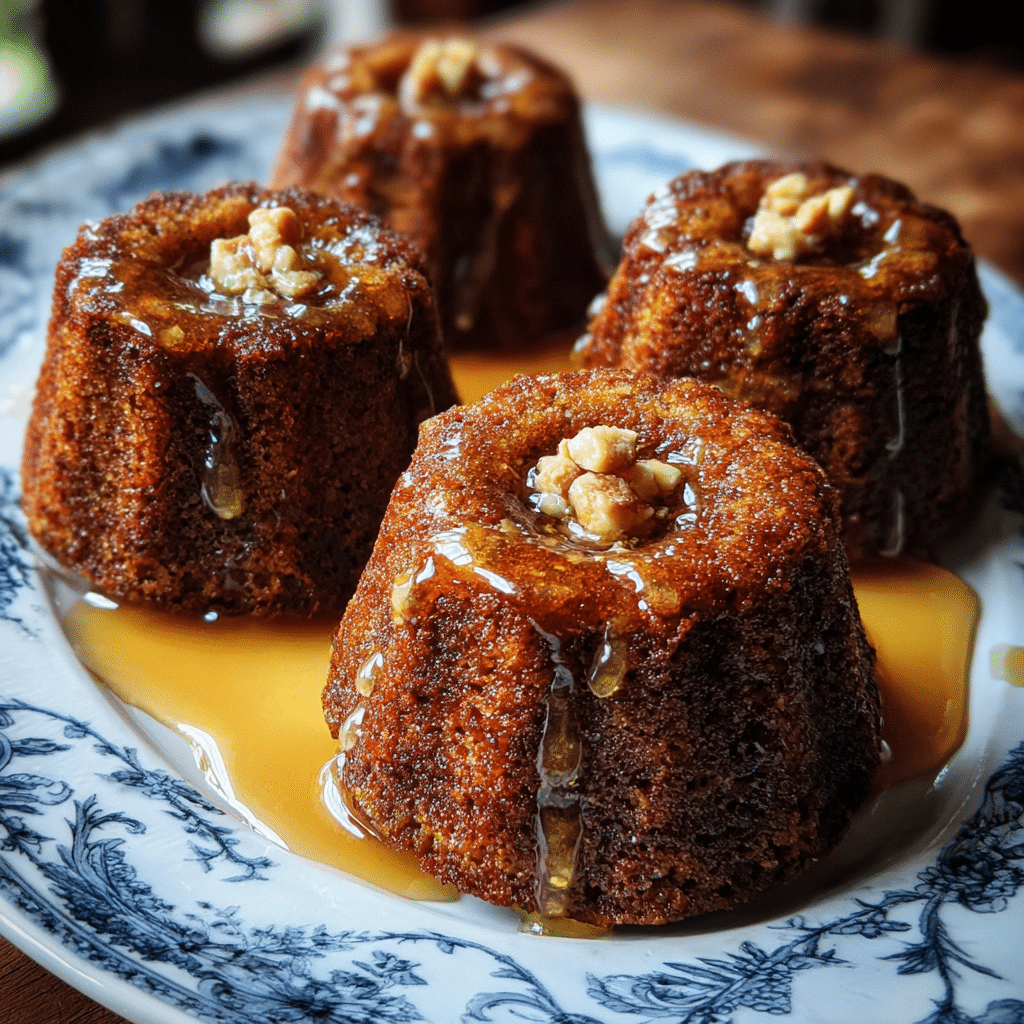
Tired of dry, flavorless cakes that crumble into disappointing heaps on your plate? These Orange Ginger Honey Cakes are about to transform your baking game forever. Hi there, I’m Simon, and I’ll never forget the rainy afternoon when Megan Carter, our pastry genius, burst into the test kitchen with this brilliant creation. She’d been experimenting with warming spices and bright citrus, and when we tasted that first bite moist, aromatic, with layers of honey sweetness, zesty orange, and warming ginger we knew she’d created something truly magical. These little cakes disappeared in minutes, with everyone reaching for seconds.
These Orange Ginger Honey Cakes promise perfectly tender crumb, aromatic spice, and bright citrus notes in every single bite. The honey keeps them incredibly moist for days, while fresh ginger and orange zest create complex, sophisticated flavor that feels both cozy and refreshing. As someone who’s spent years perfecting recipes that bring joy without intimidation, I can guarantee this: even novice bakers will achieve bakery-quality results with this foolproof recipe.
In this comprehensive guide, you’ll discover everything from ingredient selection secrets to achieving that perfect golden dome. I’ll share Megan’s insider tips for maximum moisture, reveal variations that transform these cakes for any occasion, and answer all your baking questions.
Why This Orange Ginger Honey Cakes Recipe Works
These Orange Ginger Honey Cakes have earned devoted fans across the country, and the reasons extend far beyond just delicious flavor.
- Incredibly moist texture – Honey and oil create cakes that stay tender for up to 5 days
- Foolproof method – Simple mixing technique virtually guarantees success
- Sophisticated flavor – Orange, ginger, and honey create bakery-quality complexity
- Make-ahead friendly – Bake several days in advance without quality loss
- Versatile serving – Perfect for breakfast, afternoon tea, or elegant dessert
- Portion-controlled – Individual cakes eliminate the temptation to cut “just one more slice”
- Beautiful presentation – Golden tops and aromatic spices look professionally made
- Freezer-friendly – Freeze for up to 3 months for last-minute entertaining
Choosing the Right Ingredients for Orange Ginger Honey Cakes
While this isn’t a meat recipe, selecting quality ingredients is absolutely crucial for exceptional Orange Ginger Honey Cakes that deliver consistent results.
Best Ingredient Choices for This Recipe
Fresh Ginger Root: This is non-negotiable for the most vibrant, aromatic flavor in your Orange Ginger Honey Cakes. Fresh ginger provides bright, zesty heat with floral notes that ground ginger simply cannot match. Choose firm, smooth-skinned ginger with no wrinkles or soft spots. Young ginger (with thin, pale skin) is less fibrous and easier to grate. A 2-inch piece yields about 2 tablespoons grated ginger.
Quality Honey: The honey is a star ingredient, not just a sweetener. Use raw, unfiltered honey if possible – it has more complex flavor than processed versions. Wildflower honey provides subtle floral notes, while orange blossom honey amplifies the citrus character beautifully. Megan’s favorite is local clover honey for its mild, balanced sweetness that doesn’t overpower the other flavors.
Fresh Oranges: You need both juice and zest, so fresh oranges are essential. Choose organic when possible since you’re using the peel conventional oranges may have wax or pesticide residue. Navel oranges are ideal for their sweet juice and aromatic zest. Valencia oranges work too, though they’re slightly more tart. Avoid blood oranges for this recipe as their color can muddy the golden appearance.
High-Quality Spices: Ground spices lose potency quickly. Buy small quantities and replace annually. Cinnamon should smell sweet and warm, not dusty. Cardamom adds sophisticated, floral notes – it’s optional but highly recommended. A tiny pinch of white pepper (Megan’s secret ingredient) adds subtle warmth without visible specks.
Buying and Selection Tips
Ginger Selection: At the store, look for firm rhizomes (the knobby root) with taut, thin skin. Avoid wrinkled, soft, or moldy ginger. The skin should be smooth and break easily when snapped. Store fresh ginger wrapped in paper towels in a plastic bag in the crisper drawer for up to 3 weeks, or peel and freeze for up to 6 months.
Orange Quality: Choose heavy oranges they’re juicier. The skin should be firm and smooth, not puffy or dry. Color isn’t always an indicator of ripeness; many ripe oranges have greenish patches. Smell the stem end it should have a sweet, citrus aroma. Room temperature oranges yield more juice than cold ones.
Honey Types: While any honey works, avoid strongly flavored varieties like buckwheat or eucalyptus that can overpower the delicate orange-ginger balance. If your honey has crystallized, gently warm the jar in hot water to reliquefy never microwave, which destroys beneficial enzymes and flavor compounds.
Flour Considerations: All-purpose flour is standard, but cake flour creates an even more tender crumb. If using cake flour, increase the amount by 2 tablespoons. Measure flour correctly by spooning into the measuring cup and leveling with a knife scooping directly from the bag compacts it, resulting in dry, dense cakes.
Ingredient Substitutions
Ginger Alternatives: If you absolutely cannot find fresh ginger, use 1½ tablespoons ground ginger plus ½ teaspoon ground ginger. The flavor will be less vibrant and bright, more muted and warm. Candied ginger (minced very finely) can replace half the fresh ginger for interesting textural contrast.
Honey Substitutes: Maple syrup, agave nectar, or golden syrup can replace honey in equal amounts. Each creates slightly different flavor – maple adds caramel notes, agave is more neutral, golden syrup is similar to honey. For sugar-free, use liquid monk fruit sweetener (reduce liquid by 2 tablespoons).
Oil Options: Neutral oils like vegetable, canola, or grapeseed work best. Melted coconut oil adds subtle tropical notes that complement the citrus. Avoid olive oil unless using ultra-light its flavor competes with the delicate orange and ginger.
Dairy Alternatives: Replace buttermilk with dairy-free alternatives: mix ¾ cup non-dairy milk with 1 tablespoon lemon juice or vinegar, let sit 5 minutes. Coconut milk (from a can, not the beverage carton) creates exceptionally rich, moist cakes.
Ingredients & Prep for Orange Ginger Honey Cakes
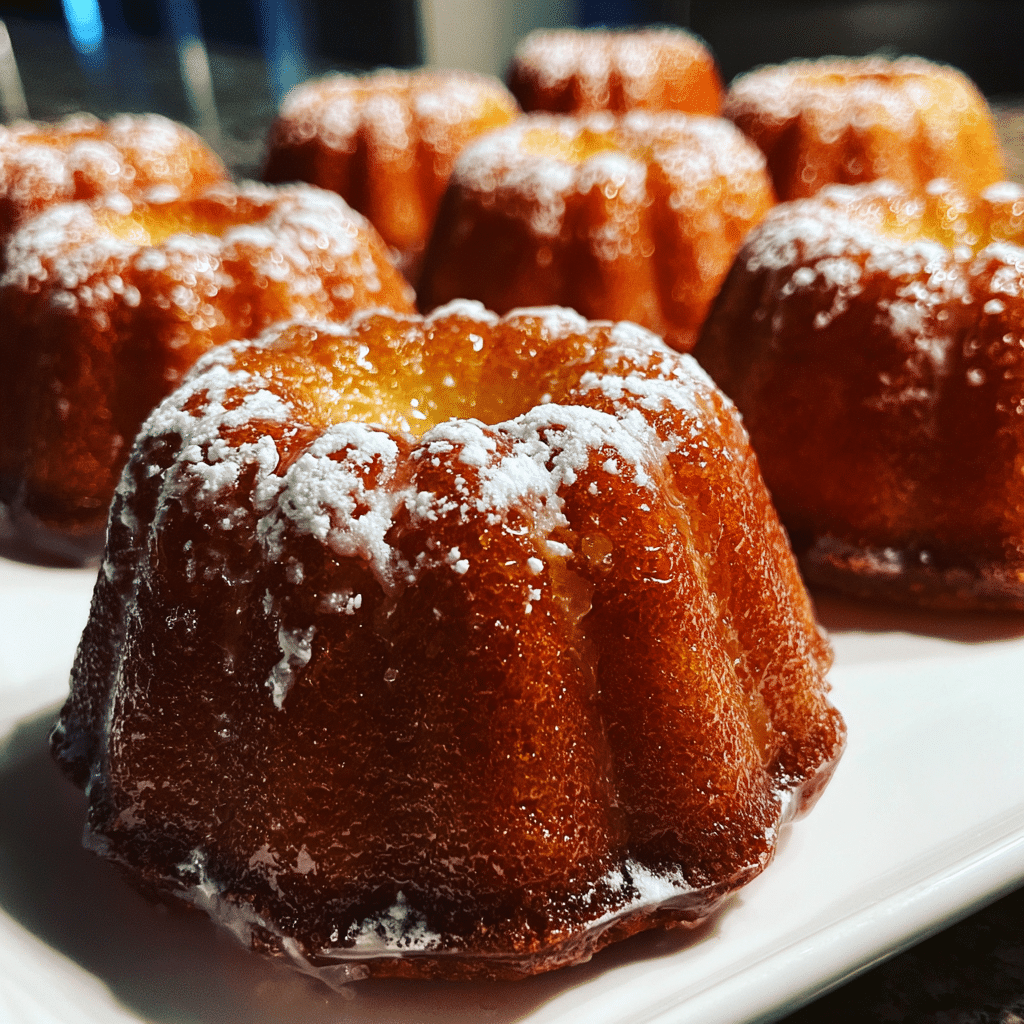
Proper preparation and precise measurements are the foundation of perfect Orange Ginger Honey Cakes that turn out beautifully every time.
Essential Ingredient List
For the Cakes:
- 1¾ cups all-purpose flour
- 1½ teaspoons baking powder
- ½ teaspoon baking soda
- ½ teaspoon salt
- 1 teaspoon ground cinnamon
- ½ teaspoon ground cardamom (optional but wonderful)
- Pinch of white pepper
- ¾ cup honey (preferably raw or wildflower)
- ½ cup granulated sugar
- ¾ cup buttermilk, room temperature
- ½ cup neutral oil (vegetable or canola)
- 3 large eggs, room temperature
- Zest of 2 large oranges (about 2 tablespoons)
- ¼ cup fresh orange juice
- 2 tablespoons fresh ginger, finely grated
- 1 teaspoon vanilla extract
For the Orange Glaze:
- 1½ cups powdered sugar
- 3-4 tablespoons fresh orange juice
- 1 teaspoon orange zest
- ½ teaspoon vanilla extract
For Garnish:
- Candied orange slices (optional)
- Fresh ginger slices (optional)
- Chopped pistachios or almonds
Baking Prep Essentials
Preparing the Pans: These cakes can be made in a 12-cup muffin tin, individual ramekins, or a 9-inch round cake pan. Grease generously with butter or cooking spray, then dust lightly with flour. For extra insurance against sticking, line muffin tins with paper liners. Megan always uses parchment rounds in the bottom of cake pans they guarantee easy release.
Room Temperature Ingredients: This is critical for proper emulsification. Cold eggs and buttermilk create lumpy batter that doesn’t rise properly. Set eggs and buttermilk out 1-2 hours before baking. In a hurry? Place eggs in warm (not hot) water for 5 minutes. Microwave buttermilk for 10-15 seconds until barely lukewarm.
Zesting and Grating: Use a microplane for both orange zest and ginger – it creates fine particles that distribute evenly without leaving chunks. Zest oranges before juicing (it’s nearly impossible on a juiced orange). For ginger, peel with a spoon (it scrapes off easily) then grate against the fine holes. Grate ginger right over your bowl to capture all the precious juice.
Pantry Staples and Flavor Enhancers
Buttermilk: Provides tanginess that balances the honey’s sweetness and reacts with baking soda for superior rise and tender crumb. Don’t substitute regular milk – the acidity is essential. If you don’t have buttermilk, make your own: add 1 tablespoon lemon juice or vinegar to a measuring cup, add milk to reach ¾ cup, let sit 5 minutes.
Neutral Oil: Unlike butter, oil creates incredibly moist cakes that stay soft for days. Oil doesn’t solidify when chilled like butter does, so these cakes maintain perfect texture even from the refrigerator. The oil also doesn’t compete with the delicate orange and ginger flavors.
Baking Powder and Baking Soda: You need both for proper rise and texture. Baking powder provides most of the lift, while baking soda neutralizes the buttermilk’s acidity and enhances browning. Check expiration dates – old leaveners create flat, dense cakes.
Vanilla Extract: Enhances and rounds out all the flavors without asserting its own presence. Use pure vanilla extract, not imitation – the quality difference is noticeable in delicate baked goods.
Step-by-Step Baking Instructions for Orange Ginger Honey Cakes
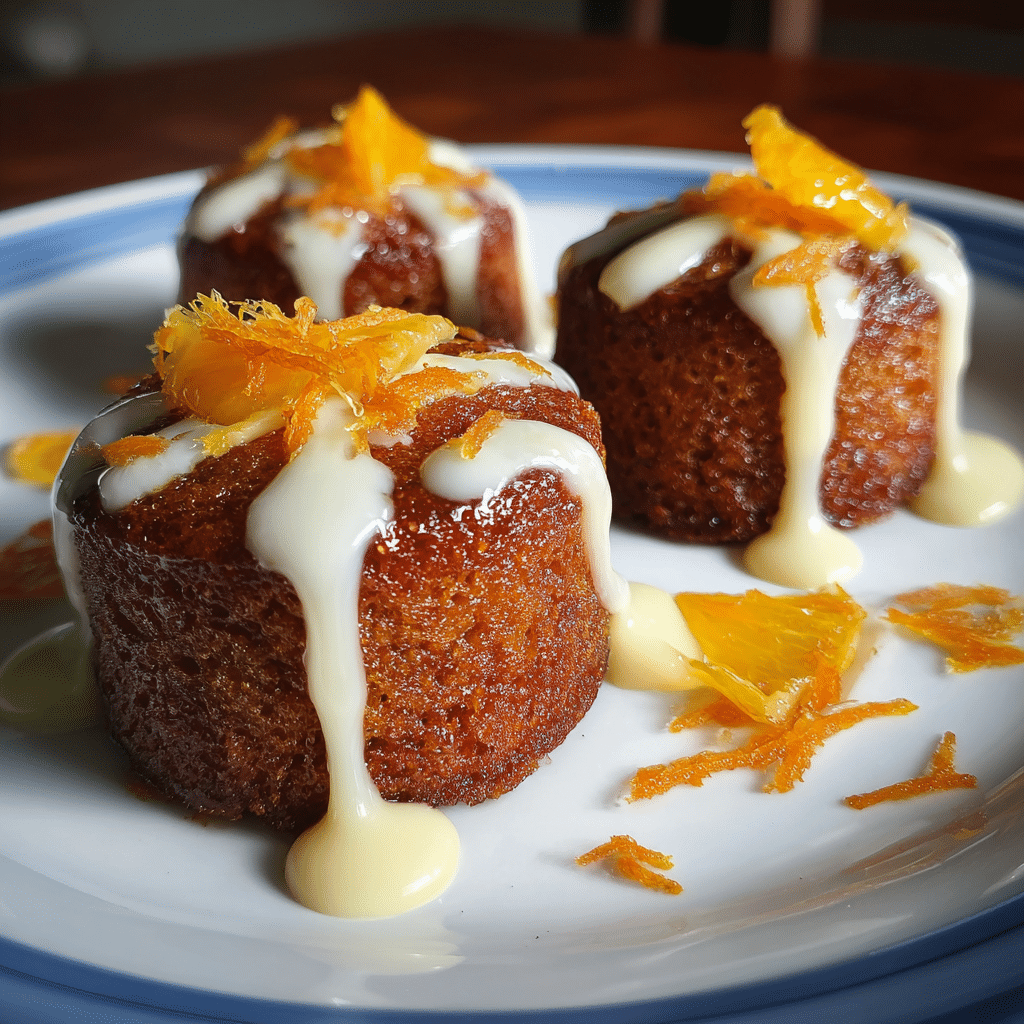
Follow these detailed steps for perfectly domed, aromatic Orange Ginger Honey Cakes every single time.
Pre-Baking Prep for Orange Ginger Honey Cakes
Preheat your oven to 350°F (175°C). Position a rack in the center of the oven for the most even heat. Prepare your muffin tin or cake pan as described above grease and flour thoroughly or line with papers.
In a medium bowl, whisk together flour, baking powder, baking soda, salt, cinnamon, cardamom (if using), and white pepper. Whisk vigorously for 30 seconds to ensure even distribution and to aerate the flour. Set aside.
In a large mixing bowl, combine honey, sugar, buttermilk, oil, eggs, orange zest, orange juice, grated ginger, and vanilla extract. Whisk until completely smooth and homogeneous – about 1 minute. The mixture should be lighter in color and slightly frothy. This thorough mixing at the beginning ensures even distribution without overmixing later.
Baking Method for Orange Ginger Honey Cakes
Mixing the Batter: Add the dry ingredients to the wet ingredients all at once. Using a rubber spatula or wooden spoon (not an electric mixer), gently fold the mixture together. Use a “cutting through and folding over” motion, scraping the bottom and sides of the bowl. Mix just until no flour streaks remain – the batter will be slightly lumpy, and that’s perfect. Overmixing develops gluten, creating tough, dense cakes.
Filling the Pans: Divide batter evenly among muffin cups, filling each about ⅔ full (approximately ¼ cup batter per muffin). For more precise portions, use a spring-loaded ice cream scoop. If making a single layer cake, pour all batter into your prepared 9-inch pan and tap firmly on the counter 2-3 times to release air bubbles.
Baking: Place pan(s) in the preheated oven. For muffin-sized cakes, bake 18-22 minutes. For a single 9-inch cake, bake 30-35 minutes. The cakes are done when golden brown on top, the centers spring back when gently pressed, and a toothpick inserted in the center comes out with just a few moist crumbs (not wet batter).
The Ginger Aromatics: About halfway through baking, your kitchen will fill with the most incredible aroma of orange and ginger. This is normal and wonderful! If your cakes are browning too quickly, loosely tent with aluminum foil for the remaining baking time.
Doneness Check for Orange Ginger Honey Cakes
The toothpick test is your best friend for these Orange Ginger Honey Cakes. Insert a wooden toothpick or cake tester into the center of a cake. It should come out with a few moist crumbs clinging to it, but no wet batter. If it’s wet, bake for 2-3 more minutes and test again.
Visual cues: The tops should be golden brown and domed (not flat). The edges should pull away slightly from the pan sides. When you gently press the center, it should spring back rather than leaving an indentation.
Megan’s tip: These cakes continue cooking for a few minutes after removal from the oven due to residual heat. Slightly underbaking creates the moistest texture – they’ll firm up as they cool.
Cooling for Orange Ginger Honey Cakes
Let cakes cool in the pan for 10 minutes. This allows them to set and makes removal easier. After 10 minutes, run a knife around the edges to loosen, then carefully invert onto a wire cooling rack. If using muffin liners, simply lift out the cakes.
Cool completely before glazing – about 30-45 minutes. Warm cakes cause the glaze to melt and slide off rather than setting into that perfect glossy coating.
Making the Glaze: While cakes cool, whisk together powdered sugar, 3 tablespoons orange juice, orange zest, and vanilla extract. The glaze should be thick but pourable – consistency of heavy cream. If too thick, add orange juice 1 teaspoon at a time. If too thin, add more powdered sugar.
Once cakes are completely cool, drizzle glaze over tops, allowing it to drip down the sides. Or dip the tops directly into the glaze for full coverage. Let glazed cakes sit for 15-20 minutes until the glaze sets. Garnish with candied orange, fresh ginger slices, or chopped nuts.
Pro Tips for Perfect Orange Ginger Honey Cakes
These insider secrets from Megan’s years of pastry expertise will elevate your Orange Ginger Honey Cakes from good to absolutely extraordinary.
Avoiding Dry or Dense Orange Ginger Honey Cakes
Don’t Overmix: Once you add dry to wet ingredients, mix only until combined. Overmixing develops gluten strands that create tough, dense, tunnel-riddled cakes. A few small lumps are perfectly fine and will bake out.
Measure Flour Correctly: Too much flour is the number one cause of dry cakes. Spoon flour into your measuring cup and level with a knife. Never scoop directly from the bag or tap the cup on the counter – both compact the flour, adding up to 25% more than the recipe calls for.
Don’t Overbake: Set a timer for the minimum baking time and check early. Ovens vary significantly. These cakes are done when a toothpick has moist crumbs, not when it’s completely clean. The residual heat continues cooking after removal from oven.
Use Fresh Leaveners: Baking powder and baking soda lose potency over time. Test baking powder by stirring ½ teaspoon into hot water – it should fizz vigorously. Test baking soda by adding to vinegar – it should bubble immediately. If not, they’re too old.
Tool Recommendations for Orange Ginger Honey Cakes
Microplane Grater: Indispensable for zesting oranges and grating ginger. The razor-sharp blades create fine particles that distribute evenly throughout the batter. A box grater works but creates coarser pieces that concentrate flavor in spots.
Stand Mixer or Handheld Mixer: While you can mix by hand, electric mixers ensure thorough emulsification of wet ingredients. Just remember to switch to hand mixing once you add the flour.
Ice Cream Scoop: A spring-loaded scoop (⅓ cup capacity) portions batter perfectly evenly into muffin cups. This ensures all cakes bake at the same rate and look uniform.
Wire Cooling Rack: Essential for proper cooling. Cakes left in pans become soggy on the bottom from trapped steam. Wire racks allow air circulation on all sides.
Storage & Serving Orange Ginger Honey Cakes
Room Temperature Storage: Store unfrosted cakes in an airtight container at room temperature for up to 5 days. The honey acts as a natural preservative, keeping them moist. If glazed, wait until glaze fully sets before stacking or storing.
Refrigerator Storage: While not necessary, refrigeration extends shelf life to 1 week. Bring to room temperature before serving for best flavor and texture (about 30 minutes).
Freezing: These freeze beautifully! Wrap unfrosted, completely cooled cakes individually in plastic wrap, then place in a freezer bag. Freeze for up to 3 months. Thaw at room temperature for 2-3 hours, then glaze. Or freeze fully glazed cakes on a baking sheet until solid, then wrap – though the glaze may crack slightly upon thawing.
Serving Suggestions: Serve at room temperature or gently warmed (10 seconds in microwave). Pair with tea, coffee, or a glass of cold milk. For elegant dessert, serve with a dollop of whipped cream or vanilla ice cream.
Flavor Variations for Orange Ginger Honey Cakes
Transform these Orange Ginger Honey Cakes with creative twists that maintain the sophisticated balance while offering exciting new flavor profiles.
Lemon Ginger Version
Replace orange zest and juice with lemon (use 3 lemons for enough zest and juice). Increase sugar by 2 tablespoons to balance lemon’s tartness. The result is brighter, more citrus-forward with pronounced ginger heat. Glaze with lemon juice instead of orange. This version is especially refreshing in summer.
Spiced Chai Honey Cakes
Add ½ teaspoon ground ginger (in addition to fresh), ¼ teaspoon ground cloves, ¼ teaspoon black pepper, and ¼ teaspoon nutmeg. Replace orange with 2 tablespoons strong brewed chai tea. Glaze with chai tea instead of orange juice. This creates warm, aromatic cakes perfect for fall and winter.
Chocolate Orange Ginger
Reduce flour by ¼ cup and add ¼ cup Dutch-processed cocoa powder. Add ½ cup mini chocolate chips to the batter. The orange-chocolate combination is classic, and ginger adds unexpected warmth. Use chocolate glaze instead of orange (combine powdered sugar with cocoa and milk).
Cranberry Orange Ginger
Fold 1 cup fresh or frozen cranberries (chopped if large) into finished batter. The tart cranberries pop throughout the cakes, adding bursts of flavor and beautiful color. Especially festive during holidays.
Flavor Variation Comparison Table
| Variation | Key Changes | Flavor Profile | Best Season | Complexity |
|---|---|---|---|---|
| Classic Orange Ginger Honey Cakes | Orange, fresh ginger | Bright, warming, balanced | Year-round | Intermediate |
| Lemon Ginger | Lemon replaces orange | Tart, bright, zingy | Spring/Summer | Beginner |
| Spiced Chai | Additional warm spices, chai tea | Aromatic, warming, complex | Fall/Winter | Intermediate |
| Chocolate Orange Ginger | Cocoa, chocolate chips | Rich, indulgent, warming | Winter | Intermediate |
| Cranberry Orange Ginger | Fresh cranberries | Tart-sweet, festive | Fall/Winter (holidays) | Beginner |
| Tropical | Coconut milk, lime zest | Bright, creamy, exotic | Summer | Advanced |
Serving Suggestions for Orange Ginger Honey Cakes
Presentation and pairing elevate your Orange Ginger Honey Cakes from simple dessert to a memorable experience.
Elegant Tea Service: Serve these Orange Ginger Honey Cakes on a tiered cake stand with fresh flowers and fine china for afternoon tea. Pair with Earl Grey, English Breakfast, or ginger tea. Add cucumber sandwiches, scones, and petit fours for a complete tea party.
Breakfast or Brunch: These cakes are substantial enough for breakfast. Serve with Greek yogurt, fresh berries, and a drizzle of extra honey. The protein from yogurt balances the sweetness and makes this a satisfying morning meal.
Dessert Plating: For elegant dinner party dessert, plate individual cakes with a small scoop of vanilla ice cream or honey-whipped cream. Drizzle with additional honey and garnish with candied ginger and fresh mint. The contrast of warm cake and cold ice cream is divine.
Holiday Gift Giving: Wrap individual glazed cakes in cellophane tied with ribbon. Stack in a decorative tin or box. They stay fresh for 5 days, making them perfect hostess gifts or holiday presents.
Casual Coffee Pairing: Serve with afternoon coffee for a pick-me-up treat. The orange and ginger flavors complement both light and dark roast coffees beautifully. These also pair wonderfully with espresso drinks like lattes or cappuccinos.
Beverage Pairings: Beyond tea and coffee, these cakes pair beautifully with sparkling cider, ginger ale, or orange juice for breakfast service. For a special treat, serve with hot chocolate made with a hint of orange zest.
FAQs About Orange Ginger Honey Cakes
Here are answers to the most common questions about making perfect Orange Ginger Honey Cakes every time.
Can I use ground ginger instead of fresh for Orange Ginger Honey Cakes? You can, but the flavor will be different – more muted and less bright. If substituting, use 1 tablespoon ground ginger plus ½ teaspoon for the 2 tablespoons fresh called for. The cakes will still be delicious but lack that zingy, fresh ginger punch.
Why are my Orange Ginger Honey Cakes dense and heavy? The most common causes are overmixing the batter (which develops tough gluten) or using too much flour. Make sure you’re measuring flour correctly by spooning and leveling. Also check that your leaveners (baking powder and soda) are fresh and active.
Can I make Orange Ginger Honey Cakes as a layer cake instead of individual cakes? Absolutely! Use two 9-inch round pans. Divide batter evenly and bake for 25-30 minutes. Let cool completely, then stack with cream cheese frosting or whipped cream between layers. Glaze or frost the outside.
Is this recipe safe for pregnant women? Yes! All ingredients are fully cooked and safe. There are no raw eggs, unpasteurized dairy, or other concerning ingredients. The honey is perfectly safe for pregnant women (only infants under 1 year should avoid honey).
How do I prevent the cakes from sticking to the pan? Generously grease with butter or cooking spray, then dust with flour, tapping out excess. For extra insurance, line muffin tins with paper liners or place parchment rounds in cake pans. Let cakes cool for 10 minutes before removing – this allows them to set.
Can I reduce the sugar in Orange Ginger Honey Cakes? You can reduce sugar by up to ¼ cup without major structural issues, though the cakes will be less sweet and slightly less moist. Don’t reduce more than that or you’ll affect texture and browning. The honey provides sweetness too, so these aren’t overly sweet.
What’s the best way to store leftover Orange Ginger Honey Cakes? Store in an airtight container at room temperature for up to 5 days. They actually taste better on day 2-3 as flavors meld. For longer storage, freeze wrapped cakes for up to 3 months.
Can I make this recipe gluten-free? Yes! Replace the all-purpose flour with a 1:1 gluten-free baking blend (like Bob’s Red Mill or King Arthur). The texture will be slightly denser but still delicious. Don’t use straight almond or coconut flour you need a blend designed to replace wheat flour.
Conclusion
There you have it everything you need to create aromatic, moist Orange Ginger Honey Cakes that’ll have everyone begging for your secret recipe! These elegant little cakes prove that impressive bakery-quality results are absolutely achievable at home with simple techniques and quality ingredients.
If you found this recipe helpful, we encourage you to share it with your network or save it for future use.
We’d be delighted to see your unique creations feel free to share your photos with us pinterest
Print
Orange Ginger Honey Cakes 5 Secrets for Bakery Perfect Results
- Total Time: 40 minutes (plus cooling)
- Yield: 12 individual cakes 1x
- Diet: Vegetarian
Description
These Orange Ginger Honey Cakes feature fresh ginger, bright orange zest, and aromatic spices in a tender, honey-sweetened crumb. Topped with a glossy orange glaze, these individual cakes are perfect for afternoon tea, breakfast treats, or elegant dessert. They stay incredibly moist for days!
Ingredients
1¾ cups all-purpose flour
1½ teaspoons baking powder
½ teaspoon baking soda
½ teaspoon salt
1 teaspoon ground cinnamon
½ teaspoon ground cardamom (optional)
Pinch of white pepper
¾ cup honey (preferably raw or wildflower)
½ cup granulated sugar
¾ cup buttermilk, room temperature
½ cup neutral oil (vegetable or canola)
3 large eggs, room temperature
Zest of 2 large oranges (about 2 tablespoons)
¼ cup fresh orange juice
2 tablespoons fresh ginger, finely grated
1 teaspoon vanilla extract
1½ cups powdered sugar (for glaze)
3–4 tablespoons fresh orange juice (for glaze)
1 teaspoon orange zest (for glaze)
½ teaspoon vanilla extract (for glaze)
Instructions
1. Preheat oven to 350°F (175°C). Grease and flour a 12-cup muffin tin or line with paper liners.
2. In a medium bowl, whisk together flour, baking powder, baking soda, salt, cinnamon, cardamom (if using), and white pepper. Whisk vigorously for 30 seconds. Set aside.
3. In a large bowl, whisk together honey, sugar, buttermilk, oil, eggs, orange zest, orange juice, grated ginger, and vanilla extract. Whisk until smooth and slightly frothy, about 1 minute.
4. Add dry ingredients to wet ingredients all at once. Using a rubber spatula, gently fold together just until no flour streaks remain. Don’t overmix – some small lumps are fine.
5. Divide batter evenly among muffin cups, filling each about ⅔ full (approximately ¼ cup per muffin).
6. Bake for 18-22 minutes until golden brown on top and a toothpick inserted in center comes out with moist crumbs (not wet batter).
7. Let cakes cool in pan for 10 minutes, then carefully transfer to a wire rack. Cool completely before glazing, about 30-45 minutes.
8. While cakes cool, make glaze: whisk together powdered sugar, 3 tablespoons orange juice, orange zest, and vanilla extract until smooth. Add more juice if needed to reach pourable consistency.
9. Once cakes are completely cool, drizzle glaze over tops or dip tops directly into glaze. Let sit 15-20 minutes until glaze sets.
10. Garnish with candied orange slices, fresh ginger, or chopped nuts if desired.
Notes
Bring eggs and buttermilk to room temperature for best results. Set out 1-2 hours before baking.
Fresh ginger is essential for the brightest flavor. Don’t substitute ground ginger if possible.
Use a microplane for fine, even zesting and grating.
Don’t overmix once you add flour – mix just until combined for tender cakes.
Measure flour by spooning into measuring cup and leveling, not scooping from bag.
These cakes stay moist for 5 days at room temperature in an airtight container.
Freeze unfrosted cakes wrapped individually for up to 3 months.
Make buttermilk substitute: add 1 tablespoon lemon juice to milk, let sit 5 minutes.
Test leaveners for freshness: baking powder should fizz in hot water, baking soda should bubble in vinegar.
The cakes taste even better on day 2-3 as flavors meld together.
- Prep Time: 20
- Cook Time: 20
- Category: Dessert, Breakfast, Snack
- Method: Baking
- Cuisine: American
Nutrition
- Serving Size: 1 cake
- Calories: 245
- Sugar: 28g
- Sodium: 180mg
- Fat: 10g
- Saturated Fat: 1.5g
- Unsaturated Fat: 8g
- Trans Fat: 0g
- Carbohydrates: 38g
- Fiber: 1g
- Protein: 3g
- Cholesterol: 47mg
Keywords: orange ginger honey cakes, honey cakes, ginger cakes, orange cakes, individual cakes, tea cakes, moist honey cakes