
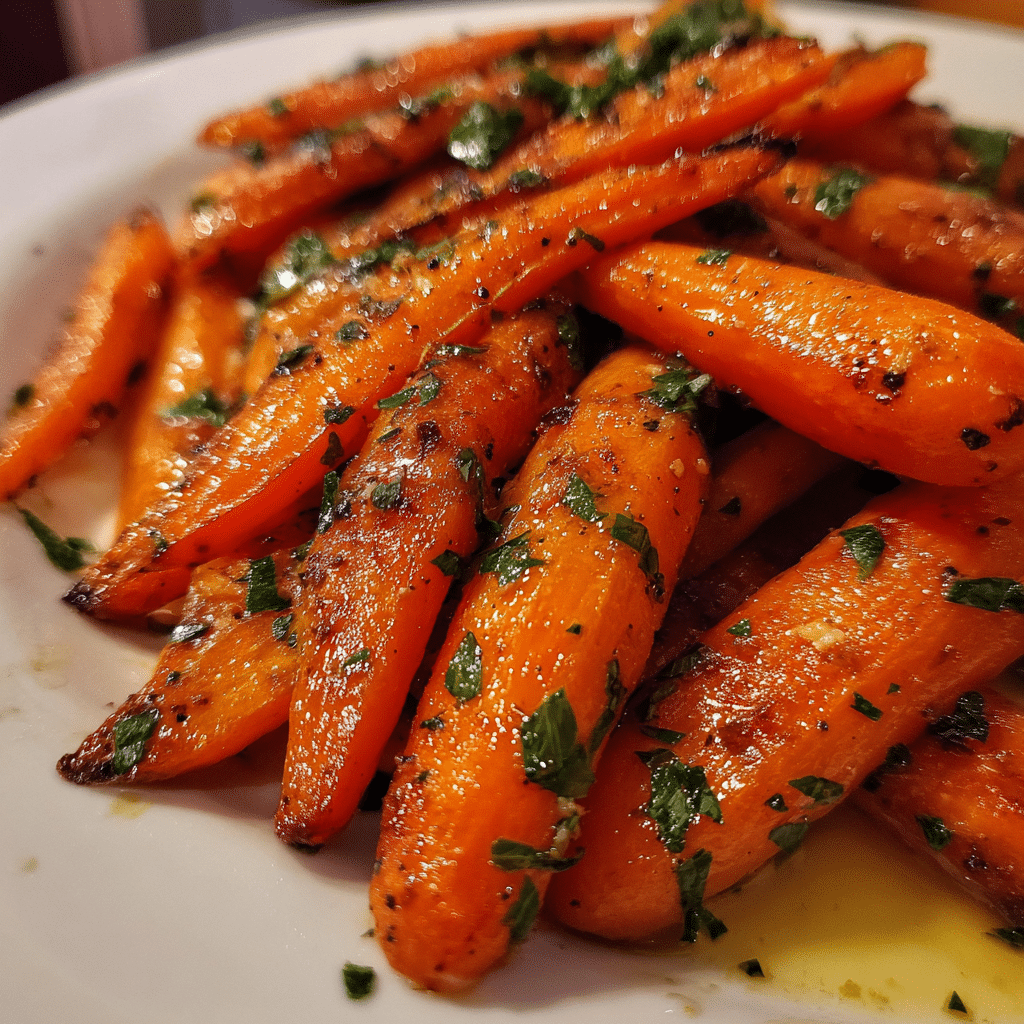
Tired of bland, mushy vegetables that no one wants to eat? These Sautéed Carrots transform ordinary root vegetables into a caramelized, butter-glazed side dish that will have even picky eaters asking for seconds.
Hi there, I’m Simon, and this recipe has a special place in my heart. It was a quiet Sunday afternoon when Jackson challenged me to make carrots “actually exciting.” I laughed how hard could it be? Turns out, pretty hard when you’re competing with his perfectly seared steaks. But after testing different techniques, Megan suggested adding just a touch of honey to help with caramelization, and Olivia insisted we cut the carrots on a bias for elegance. What emerged was a simple side dish that’s become our secret weapon the recipe that makes vegetables the star of the plate. We’ve tested this with home cooks, dinner parties, and even skeptical kids, and the result is always the same: clean plates and requests for the recipe.
In this guide, you’ll discover why this vegetable side dish works every time, expert tips for selecting the sweetest carrots, foolproof sautéing techniques that create perfect caramelization, and creative flavor variations to keep this recipe exciting all year long.
Why This Sautéed Carrots Recipe Works
These Sautéed Carrots deliver restaurant-quality results with minimal effort, making them perfect for any meal.
- Uses affordable, easy-to-find vegetables available year-round at any grocery store
- Ready in just 15 minutes from prep to plate
- Perfect for weeknights or weekend feasts with scalable portions
- Naturally sweet and caramelized without being overly sugary
- Pairs beautifully with any protein from chicken to fish to beef
- Kid-friendly and nutrient-dense making healthy eating delicious
Choosing the Right Carrots for Your Sautéed Carrots
The success of your Sautéed Carrots begins with selecting fresh, high-quality carrots that caramelize beautifully.
Best Carrots for This Sautéed Carrots Recipe
Medium-sized carrots (about 1 inch in diameter) are ideal for this recipe. They’re substantial enough to hold their shape during cooking while remaining tender inside. Look for carrots that are roughly the same size for even cooking.
Whole carrots with tops are your best bet for freshness. The greens indicate how recently they were harvested vibrant, fresh-looking tops mean fresher carrots with better flavor and texture.
Baby carrots (whole, not bagged) work beautifully if you can find them at farmers’ markets. Their natural sweetness intensifies with sautéing, and they cook faster than full-sized carrots.
Buying Tips for Quality Carrots
Look for carrots with smooth, firm skin and a vibrant orange color. Avoid carrots with cracks, soft spots, or white “hairy” roots sprouting from the sides these indicate age.
Farmers’ market carrots often have superior flavor compared to supermarket varieties. If available, try heirloom varieties in purple, yellow, or white for visual interest and slightly different flavor profiles.
The carrots should feel heavy for their size and snap cleanly when bent. Flexibility or bendiness indicates they’re old and have lost moisture.
Smart Carrot Substitutions
Parsnips can replace up to half the carrots for an earthy, slightly peppery variation. They caramelize beautifully and add complexity.
Rainbow carrots (purple, yellow, white) create a stunning visual presentation while maintaining the same cooking method. Note that purple carrots may bleed color slightly.
Pre-peeled baby carrots (the bagged kind) work in a pinch, though they’re less sweet. Add an extra teaspoon of honey to compensate for their milder flavor.
Ingredients & Prep for Your Sautéed Carrots
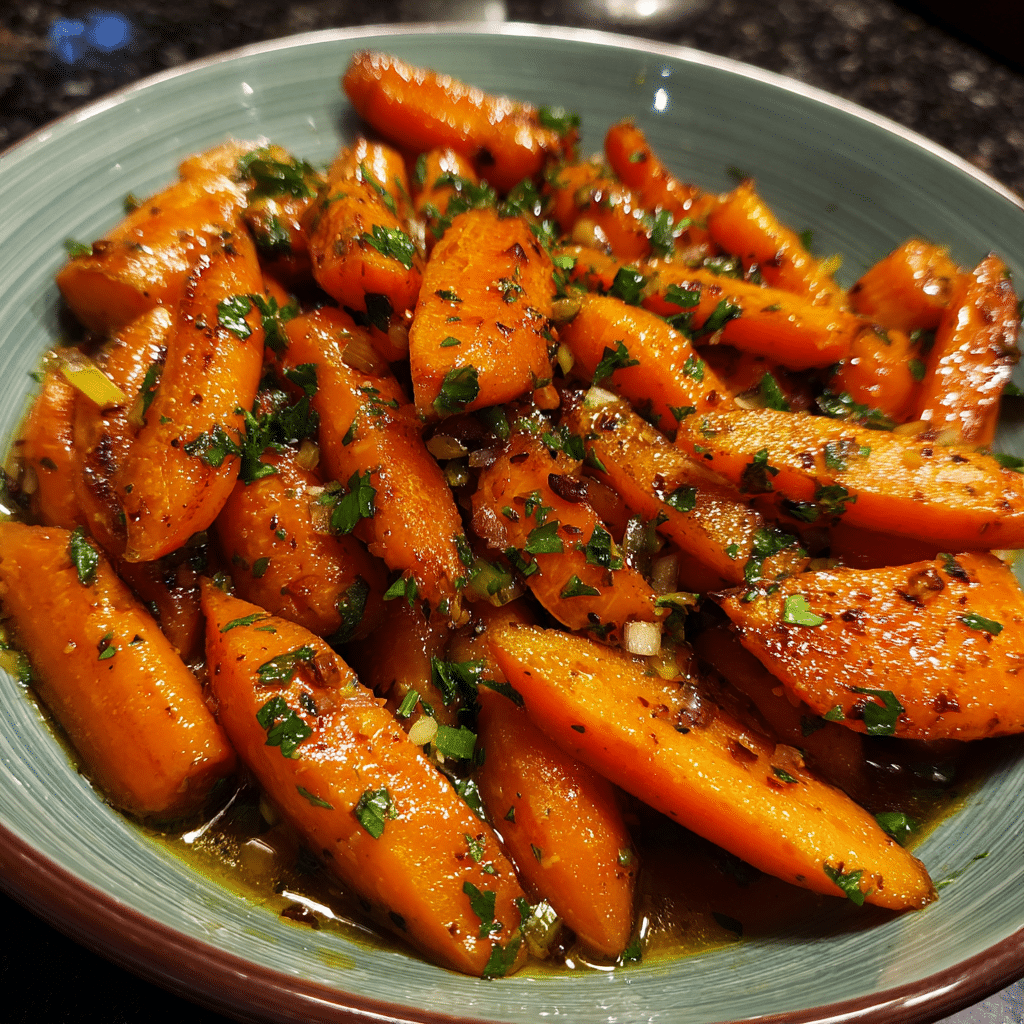
Carrot Prep Essentials for Your Sautéed Carrots
Start by washing carrots thoroughly under cold running water, using a vegetable brush to remove any dirt. If using organic carrots with thin skin, you can skip peeling—the skin adds nutrients and texture.
Peel regular carrots with a vegetable peeler if the skin is thick or blemished. Always peel in the direction away from your body for safety.
Cut carrots on a diagonal (bias cut) into 1/4-inch thick slices. This creates more surface area for caramelization and an elegant presentation. Aim for uniform thickness so all pieces cook evenly.
For baby carrots, simply halve them lengthwise if they’re larger than your thumb. Very small ones can be left whole.
Essential Sautéed Carrots Ingredients
For the Carrots:
- 1.5 pounds medium carrots, peeled and sliced on bias
- 2 tablespoons unsalted butter
- 1 tablespoon olive oil
- 2 cloves garlic, minced
- 1 tablespoon honey
- 1/2 teaspoon salt
- 1/4 teaspoon black pepper
- 2 tablespoons fresh parsley, chopped
- 1 teaspoon fresh thyme leaves (optional)
- Pinch of red pepper flakes (optional)
Optional Finishing Touches:
- 1 tablespoon lemon juice
- Lemon zest
- Toasted sesame seeds
- Fresh dill or chives
Prep time: Carrots can be peeled and sliced up to 24 hours ahead. Store in cold water in the refrigerator, then drain and pat dry before cooking.
Pantry Staples That Elevate This Recipe
Unsalted butter is crucial for controlling salt levels and creating rich, nutty flavor as it browns. Olive oil prevents the butter from burning and adds fruity depth.
Honey balances the carrots’ natural earthiness and promotes beautiful caramelization. Don’t skip it the amount is subtle and not overly sweet.
Fresh herbs like parsley and thyme add brightness and sophistication. Fresh is vastly superior to dried for finishing.
Step-by-Step Cooking Instructions for Your Sautéed Carrots
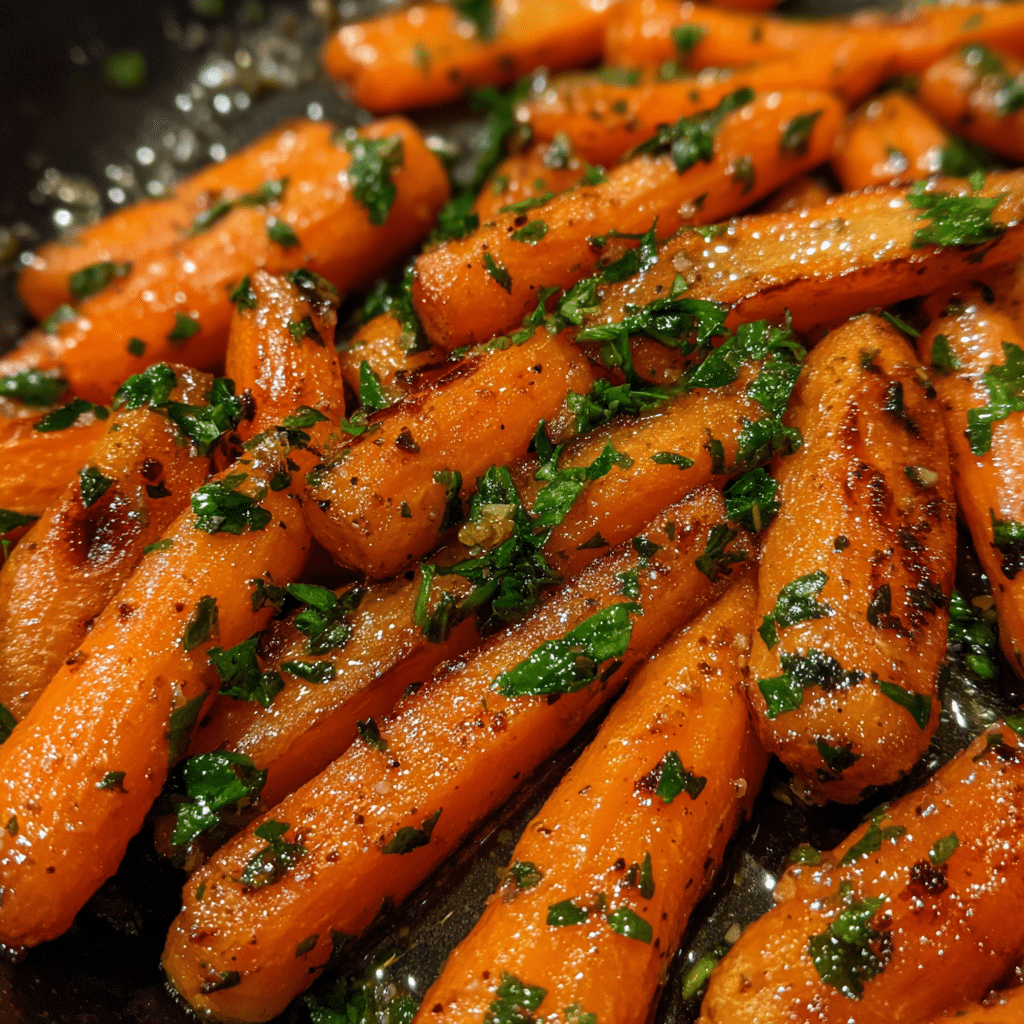
Pre-Cooking Prep for These Sautéed Carrots
Step 1: Pat sliced carrots completely dry with paper towels or a clean kitchen cloth. Excess moisture prevents proper caramelization and creates steaming instead of sautéing.
Step 2: Have all ingredients measured and ready (mise en place). Sautéing happens quickly, and you won’t have time to prep mid-cooking.
Step 3: Choose a large skillet (12-inch) with a heavy bottom. Cast iron or stainless steel works best for even heat distribution.
Step 4: Arrange carrot slices on your cutting board so they’re easily accessible—you’ll need to add them quickly to prevent burning the butter.
Cooking Method for Your Sautéed Carrots
Initial Sauté (2 minutes): Heat a large skillet over medium-high heat. Add butter and olive oil, swirling to combine as the butter melts. When the butter foams and the foam begins to subside, add the carrots in a single layer.
First Toss (3 minutes): Let carrots cook undisturbed for 2-3 minutes to develop golden-brown caramelization on the bottom. Resist the urge to stir constantly—they need contact with the hot pan.
Add Aromatics (1 minute): Toss carrots and add minced garlic. Cook for 30-60 seconds until fragrant. Be careful not to burn the garlic.
Glaze (3-4 minutes): Drizzle honey over the carrots, add salt and pepper, and toss to coat. Reduce heat to medium. Continue cooking, stirring occasionally, until carrots are tender-crisp and beautifully glazed.
Finish (1 minute): Remove from heat, add fresh herbs, and toss one final time. The residual heat will release the herbs’ aromatic oils.
Doneness Check for Your Sautéed Carrots
Pierce a carrot slice with a fork or knife it should meet slight resistance but still feel tender. The texture should be tender-crisp, not mushy or raw-crunchy.
Carrots should have deep golden-brown caramelized spots on multiple surfaces. This is where the sweetness and complexity come from.
Total cooking time is typically 8-10 minutes, but may vary based on carrot thickness and your stove’s heat output. Taste a piece it should be sweet, slightly earthy, and perfectly tender.
Resting Your Sautéed Carrots
Unlike meat, Sautéed Carrots don’t need resting time. Serve them immediately for the best texture and temperature.
If you must hold them, transfer to a warm serving dish and cover loosely with foil. They’ll stay warm for 5-10 minutes, but the glaze may thicken as it cools.
Pro Tips for Perfect Sautéed Carrots
Avoiding Mushy or Undercooked Sautéed Carrots
Don’t overcrowd the pan. Carrots need space for proper caramelization. If your skillet can’t hold them in a mostly single layer, cook in two batches or use a larger pan.
Control your heat carefully. Too high and the butter burns before carrots cook; too low and they steam instead of sauté. Medium-high is the sweet spot.
Cut uniform pieces. Inconsistent sizes mean some pieces will be mushy while others remain raw. Take an extra minute to cut carefully.
Jackson’s trick: Add a splash of water (2 tablespoons) halfway through if carrots are browning too quickly but still feel too firm. Cover for 2 minutes to steam-finish them.
Essential Tool Recommendations
12-inch heavy-bottomed skillet: Stainless steel or cast iron distributes heat evenly and creates superior caramelization. Nonstick works but won’t develop the same golden crust.
Sharp chef’s knife: Essential for clean, uniform cuts. A dull knife crushes carrots instead of slicing cleanly.
Fish spatula or flat wooden spoon: The thin, flexible edge gets under carrots easily for tossing without breaking them.
Vegetable peeler: A good Y-peeler or swivel peeler makes quick work of prep and removes just the thin outer layer.
Storage & Reheating Your Sautéed Carrots
Refrigerator storage: Store cooled carrots in an airtight container for up to 4 days. The glaze will solidify but melts beautifully when reheated.
Reheating: Warm in a skillet over medium heat with a splash of water or broth for 3-4 minutes, stirring occasionally. Alternatively, microwave in 30-second intervals, stirring between, until heated through.
Freezing: Not recommended carrots become mushy when frozen and thawed. This recipe is quick enough that making fresh is always better.
Make-ahead strategy: Prep carrots (peel and slice) up to 24 hours ahead, but cook just before serving for best texture.
Flavor Variations for Your Sautéed Carrots
Spicy Sautéed Carrots Twist
Add 1/2 teaspoon red pepper flakes with the garlic, or finish with a drizzle of sriracha-honey glaze (1 tablespoon each). The heat contrasts beautifully with the carrots’ natural sweetness.
For a harissa-spiced version, toss cooked carrots with 1 tablespoon harissa paste and a squeeze of lemon. Top with toasted pistachios.
Keto-Friendly Sautéed Carrots
Carrots are naturally higher in carbs, but this recipe works for low-carb diets when served in moderation. Replace honey with a keto-friendly sweetener like monk fruit or skip it entirely the caramelization will still develop.
Increase butter to 3 tablespoons to boost healthy fats and increase satiety.
Global Flavor Sautéed Carrots Profiles
| Variation | Key Ingredients | Flavor Profile | Best Paired With |
|---|---|---|---|
| Moroccan Spiced | Cumin, coriander, cinnamon, raisins, almonds | Warm, exotic, sweet-savory | Roasted chicken, lamb, couscous |
| Asian-Inspired | Ginger, soy sauce, sesame oil, sesame seeds | Umami-rich, savory-sweet | Teriyaki salmon, stir-fries, rice |
| French Herbed | Tarragon, shallots, white wine reduction | Elegant, delicate, aromatic | Beef tenderloin, fish, risotto |
| Maple Glazed | Maple syrup, Dijon mustard, pecans | Sweet-tangy, nutty | Roasted turkey, duck, sweet potatoes |
Serving Suggestions for Your Sautéed Carrots
These Sautéed Carrots are incredibly versatile and complement virtually any main course.
Perfect protein pairings: Serve alongside roasted chicken, grilled steak, pan-seared fish, or herb-crusted turkey. The sweet-savory profile works beautifully with both light and rich proteins.
Complementary sides: Pair with creamy mashed potatoes, wild rice pilaf, or garlic roasted Brussels sprouts for a complete meal. The carrots’ sweetness balances starchy or bitter sides.
Holiday menus: These carrots are elegant enough for Thanksgiving, Christmas, or Easter dinner. Their vibrant color adds visual appeal to any holiday table.
Grain bowls: Add to quinoa or farro bowls with roasted chickpeas, greens, and tahini dressing for a satisfying vegetarian meal.
Beverage pairings: The subtle sweetness pairs wonderfully with unsweetened iced tea, sparkling water with lemon, or apple cider.
FAQs About Sautéed Carrots
Can I use frozen carrots for this Sautéed Carrots recipe?
Fresh carrots are strongly recommended. Frozen carrots release too much moisture and won’t caramelize properly. They’ll steam instead of sauté, resulting in a mushy texture.
How do I prevent my carrots from burning?
Use medium-high heat (not high), combine butter with olive oil to raise the smoke point, and don’t walk away sautéing requires attention. If browning too quickly, reduce heat immediately.
Can I make Sautéed Carrots without honey?
Yes! The honey enhances caramelization but isn’t essential. Substitute with maple syrup, brown sugar, or simply omit for a more savory version. The natural sugars in carrots will still caramelize.
Why are my Sautéed Carrots not caramelizing?
Common causes include overcrowding the pan (too much moisture), heat too low (no Maillard reaction), or carrots too wet (pat them very dry before cooking).
Are Sautéed Carrots healthy?
Absolutely! Carrots are rich in beta-carotene, fiber, and vitamins. While this recipe adds butter and honey, the portions are reasonable. One serving provides significant nutrients with minimal added sugars and fats.
Can I prepare Sautéed Carrots ahead for a dinner party?
You can prep (peel and slice) carrots 24 hours ahead, but cook them just before serving. If absolutely necessary, cook them 1 hour ahead, slightly undercook, and reheat in a hot skillet for 2 minutes before serving.
What’s the best way to cut carrots for even cooking?
Cut on a bias (diagonal) in uniform 1/4-inch slices. If carrots vary in thickness, cut thicker carrots into slightly thinner pieces to match cooking time.
Conclusion
Grab your skillet and try these Sautéed Carrots tonight they’ll transform the way you think about vegetables! This foolproof method delivers caramelized perfection every single time.
If you found this recipe helpful, we encourage you to share it with your network or save it for future use.
We’d be delighted to see your unique creations feel free to share your photos with us pinterest
Print
Sautéed Carrots Perfect Caramelized Results in 15 Minutes
- Total Time: 20
- Yield: 4 1x
Description
These Sautéed Carrots are perfectly caramelized with butter, honey, and fresh herbs. Ready in just 15 minutes, this easy side dish transforms ordinary carrots into a restaurant-quality vegetable that pairs beautifully with any main course. Sweet, tender, and absolutely delicious.
Ingredients
1.5 pounds medium carrots, peeled and sliced on bias (1/4-inch thick)
2 tablespoons unsalted butter
1 tablespoon olive oil
2 cloves garlic, minced
1 tablespoon honey
1/2 teaspoon salt
1/4 teaspoon black pepper
2 tablespoons fresh parsley, chopped
1 teaspoon fresh thyme leaves (optional)
Pinch of red pepper flakes (optional)
1 tablespoon lemon juice (optional, for finishing)
Lemon zest for garnish (optional)
Instructions
1. Peel carrots and slice on a diagonal into 1/4-inch thick pieces. Pat completely dry with paper towels.
2. Heat a large 12-inch skillet over medium-high heat. Add butter and olive oil, swirling to combine as butter melts.
3. When butter foams and foam begins to subside, add carrots in a mostly single layer.
4. Cook undisturbed for 2-3 minutes to develop golden-brown caramelization on the bottom.
5. Toss carrots and add minced garlic. Cook for 30-60 seconds until fragrant.
6. Drizzle honey over carrots, add salt and pepper, and toss to coat evenly.
7. Reduce heat to medium. Continue cooking, stirring occasionally, for 3-4 minutes until carrots are tender-crisp and beautifully glazed.
8. Remove from heat and toss with fresh parsley and thyme. Add optional lemon juice if desired.
9. Transfer to a serving dish and garnish with lemon zest if using. Serve immediately.
Notes
Pat carrots very dry before cooking for best caramelization.
Don’t overcrowd the pan – use a 12-inch skillet or cook in batches.
Cut carrot slices uniformly for even cooking.
Medium-high heat is key – too low and they’ll steam, too high and butter burns.
Add a splash of water if browning too quickly but still firm, cover for 2 minutes to finish.
Prep carrots (peel and slice) up to 24 hours ahead, store in cold water, drain and dry before cooking.
Fresh carrots work best – frozen won’t caramelize properly.
Store leftovers refrigerated for up to 4 days, reheat in skillet with splash of water.
- Prep Time: 10
- Cook Time: 10
- Category: Side Dish
- Method: Sautéing
- Cuisine: American
Nutrition
- Serving Size: 1
- Calories: 125
- Sugar: 9g
- Sodium: 340mg
- Fat: 7g
- Saturated Fat: 4g
- Unsaturated Fat: 3g
- Trans Fat: 0g
- Carbohydrates: 15g
- Fiber: 4g
- Protein: 1g
- Cholesterol: 15mg
Keywords: sauteed carrots, glazed carrots, caramelized carrots, easy side dish, honey carrots