
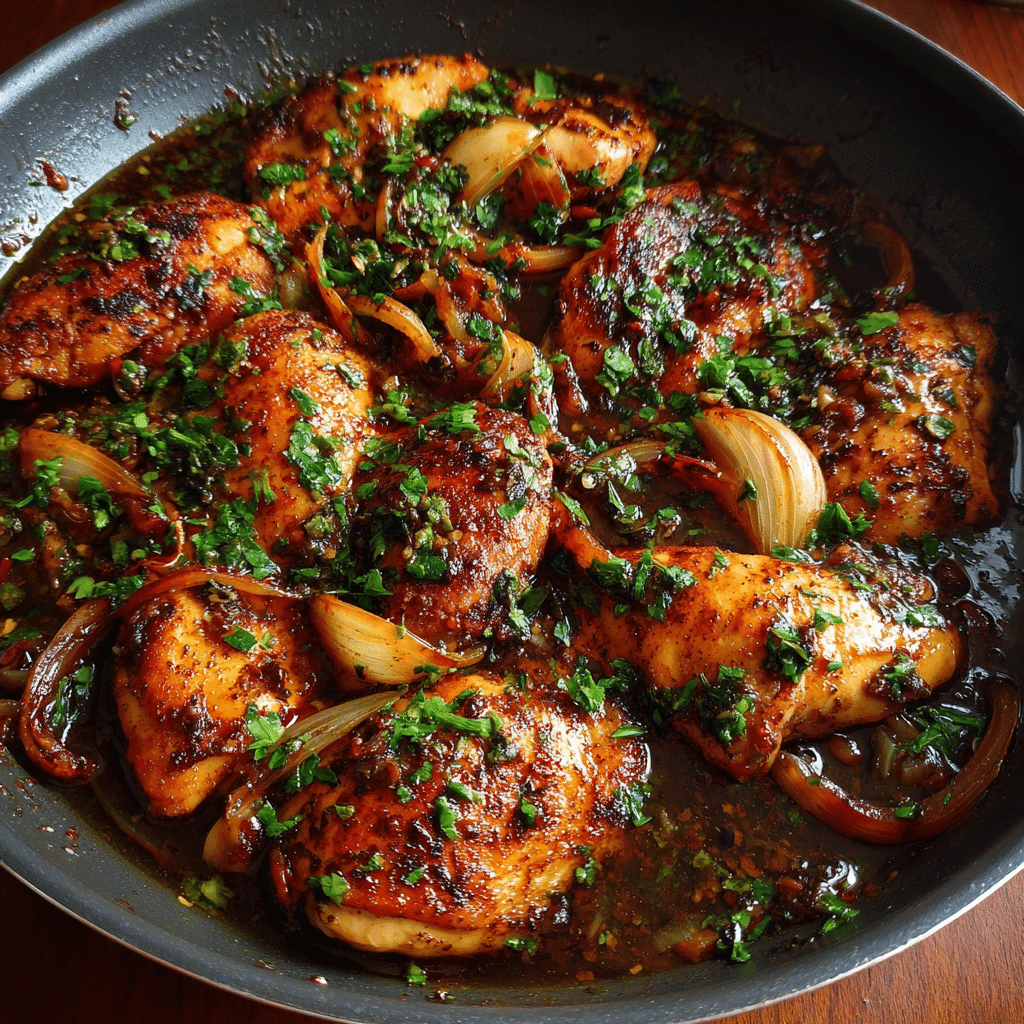
Tired of dry, overcooked chicken breasts that taste like cardboard? Balsamic Chicken is about to change your dinner game forever. This one-pan wonder delivers tender, juicy chicken bathed in a rich, tangy-sweet glaze that’ll have your family asking for seconds before they’ve finished their firsts.
I’m Simon, and I’ve spent years perfecting recipes that bring people together around the table. This balsamic chicken recipe was born on a hectic Tuesday night when I needed something impressive but couldn’t spare hours in the kitchen. My grill master, Jackson Reed, suggested we try balancing the acidity of balsamic vinegar with honey and garlic, and what emerged from that experiment became an instant kitchen staple. We’ve tested this recipe dozens of times with my team—Megan Carter, Olivia Brooks, and Jackson until it became foolproof enough for even the busiest home cook.
In this guide, you’ll discover how to select the perfect chicken cuts, master the balsamic glaze technique, and avoid common pitfalls that lead to rubbery, flavorless poultry. Whether you’re a confident cook or just starting your culinary journey, this recipe will become your go-to weeknight solution.
Why This Balsamic Chicken Recipe Works
This isn’t just another chicken recipe it’s a carefully balanced combination of convenience, flavor, and versatility that transforms an ordinary protein into something extraordinary.
- Uses affordable, easy-to-find ingredients: No specialty items or expensive cuts required
- Ready in under 30 minutes: Perfect for busy weeknights when time is precious
- One-pan simplicity: Minimal cleanup means more time enjoying your meal
- Naturally gluten-free and keto-friendly: Adapts to various dietary preferences without sacrificing taste
- Restaurant-quality flavor at home: The balsamic reduction creates a glossy, professional finish
The magic happens when balsamic vinegar’s tanginess meets the natural sweetness of honey, creating a caramelized coating that seals in moisture while building complex flavor layers. This technique prevents the dreaded dry chicken syndrome that plagues so many home cooks.
Choosing the Right Chicken for Balsamic Chicken
The foundation of exceptional balsamic chicken starts at the grocery store. Your choice of cut dramatically impacts the final result, and understanding these differences will elevate your cooking immediately.
Best Cuts for This Balsamic Chicken Recipe
Chicken breasts are the classic choice lean, mild, and quick-cooking. Opt for boneless, skinless breasts between 6-8 ounces each for even cooking. The key is selecting pieces of uniform thickness to prevent some parts from overcooking while others remain underdone.
Chicken thighs are my secret weapon for guaranteed juiciness. Their higher fat content makes them nearly impossible to overcook, and they absorb the balsamic glaze beautifully. Boneless, skinless thighs work best for this recipe, though you can use bone-in if you adjust cooking time.
Chicken tenderloins cook fastest and work wonderfully for feeding kids or anyone who prefers smaller portions. They’re essentially the “filet mignon” of chicken—tender and delicate.
Buying Tips for the Perfect Balsamic Chicken
Look for chicken with a pink, fresh appearance avoid any with gray spots or an off smell. The meat should feel firm and slightly moist, not slimy. If you’re buying pre-packaged chicken, check the “sell by” date and choose packages with the furthest date available.
Ask your butcher to butterfly thick breasts if they’re available. This technique creates an even thickness that cooks uniformly, preventing the thin end from drying out while the thick end finishes.
For organic or free-range options, you’ll notice a difference in flavor and texture, though conventional chicken works perfectly fine for this recipe. The balsamic glaze is so flavorful that it complements any quality level.
Substitutions for Your Balsamic Chicken
Don’t have chicken on hand? This balsamic technique works beautifully with:
- Turkey cutlets: Use the same timing as chicken breasts
- Firm white fish (like cod or halibut): Reduce cooking time by half and handle gently
- Tofu steaks: Press extra-firm tofu and marinate for 30 minutes before cooking
Ingredients & Prep for Balsamic Chicken
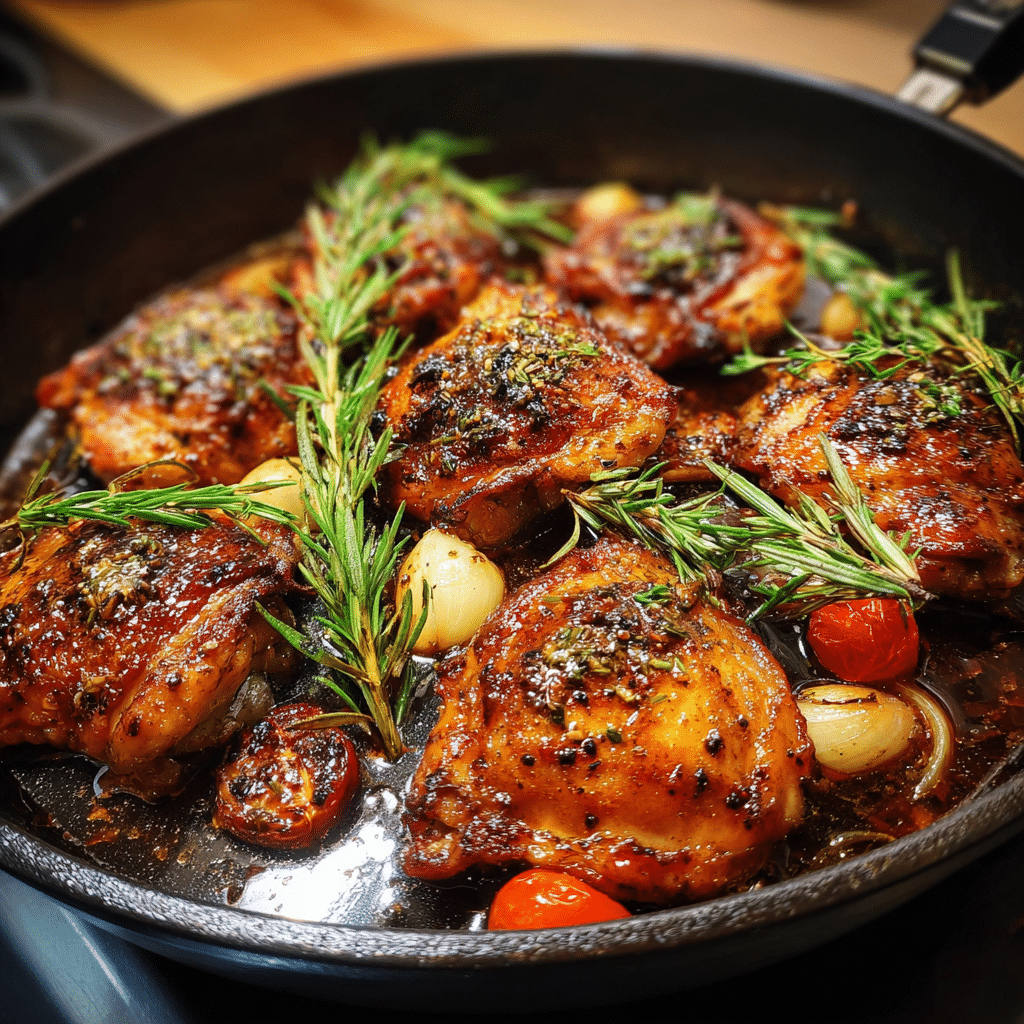
Chicken Prep Essentials for Perfect Balsamic Chicken
Start by patting your chicken completely dry with paper towels. Moisture is the enemy of a good sear, and removing surface water allows the chicken to brown beautifully rather than steam.
If using breasts, pound them to an even ½-inch thickness using a meat mallet or heavy pan. Place chicken between plastic wrap or in a zip-top bag to prevent splatter. This step is non-negotiable for even cooking it’s the difference between parts being raw while others are overdone.
Season generously with salt and pepper on both sides at least 15 minutes before cooking. This dry-brining technique enhances flavor throughout the meat, not just on the surface.
Balsamic Chicken Marinade & Glaze Ingredients
For the chicken:
- 4 boneless, skinless chicken breasts (about 1.5-2 lbs)
- 2 teaspoons kosher salt
- 1 teaspoon freshly ground black pepper
- 1 teaspoon dried Italian herbs
- 2 tablespoons olive oil
For the balsamic glaze:
- ½ cup balsamic vinegar (use quality aged vinegar for best results)
- 3 tablespoons honey
- 4 cloves garlic, minced
- 1 teaspoon Dijon mustard
- ½ teaspoon dried thyme
- ¼ teaspoon red pepper flakes (optional)
- 2 tablespoons unsalted butter
Pantry Staples That Make Balsamic Chicken Shine
Keep these essentials stocked for spontaneous balsamic chicken nights:
- Quality balsamic vinegar: Look for “Aceto Balsamico” with at least 6% acidity
- Good olive oil: Extra virgin adds fruity notes that complement the vinegar
- Fresh garlic: Pre-minced works in a pinch, but fresh delivers superior flavor
- Raw honey: The enzymes help tenderize while balancing acidity
Step-by-Step Cooking Instructions for Balsamic Chicken
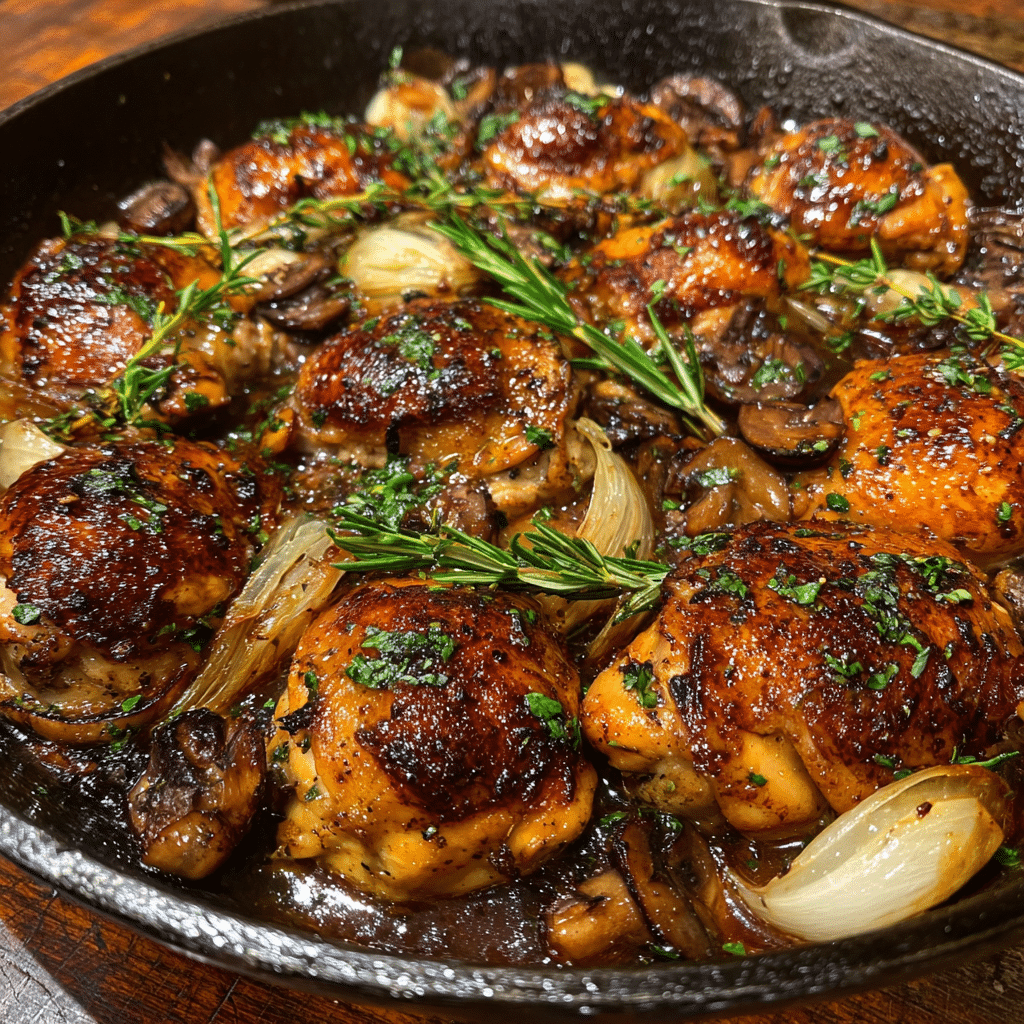
Pre-Cooking Prep for Your Balsamic Chicken
Remove chicken from the refrigerator 20 minutes before cooking to bring it to room temperature. Cold chicken hits a hot pan and tenses up, resulting in tougher meat. While it rests, prep your glaze ingredients and have them measured and ready this recipe moves quickly once you start.
Heat a large oven-safe skillet (cast iron or stainless steel works best) over medium-high heat for 3-4 minutes. The pan should be hot enough that a drop of water sizzles and evaporates immediately.
Cooking Method for Perfect Balsamic Chicken
Sear the chicken (5-6 minutes): Add olive oil to your hot pan and swirl to coat. Place chicken pieces in the pan without crowding they shouldn’t touch. Let them cook undisturbed for 3-4 minutes until a golden-brown crust forms. Flip and cook another 2-3 minutes on the second side.
Create the glaze (2 minutes): Reduce heat to medium. Push chicken to the sides of the pan. Add minced garlic to the center and sauté for 30 seconds until fragrant. Pour in balsamic vinegar, honey, Dijon mustard, thyme, and red pepper flakes. Stir to combine and let bubble for 30-60 seconds.
Finish cooking (8-10 minutes): Nestle the chicken back into the glaze, spooning sauce over the top. Reduce heat to medium-low and let simmer, basting chicken with sauce every 2 minutes. The glaze will thicken and reduce by half, becoming syrupy and glossy.
Final touch (1 minute): Remove from heat and stir in butter until melted and incorporated. The butter adds richness and helps the glaze cling to the chicken beautifully.
Doneness Check for Balsamic Chicken
Use an instant-read thermometer to check the thickest part of the chicken you’re looking for 165°F internal temperature. This is the USDA-recommended safe temperature for poultry. The chicken will appear opaque throughout with clear juices running from it.
If you don’t have a thermometer, make a small cut in the thickest part. The meat should be white throughout with no pink remaining, and juices should run clear, not pink or red.
Resting Your Balsamic Chicken
Transfer chicken to a clean plate and tent loosely with foil. Let rest for 5 minutes before slicing or serving. This resting period allows the juices to redistribute throughout the meat rather than running out onto your cutting board.
While the chicken rests, continue simmering the glaze in the pan if it needs further reduction. It should coat the back of a spoon and leave a trail when you drag your finger through it.
Pro Tips for Perfect Balsamic Chicken
Avoiding Tough, Dry Balsamic Chicken
Don’t overcrowd your pan. If your skillet can’t fit all the chicken with space between pieces, cook in batches. Crowding creates steam instead of sear, resulting in pale, rubbery chicken.
Baste religiously. Every 2 minutes, spoon that glaze over the chicken. This continuous basting builds flavor layers and keeps the surface moist while the interior cooks through.
Control your heat. If the glaze starts burning or smoking, immediately reduce heat. Balsamic vinegar contains sugars that can scorch quickly, turning bitter. The sweet spot is a gentle bubble, not a violent boil.
Use a splatter screen. Balsamic glaze can pop and splatter. A mesh screen allows steam to escape while protecting your stovetop and arms from hot vinegar.
Tool Recommendations for Making Balsamic Chicken
- Instant-read thermometer: The difference between perfect and overcooked is just 5 degrees don’t guess
- Cast-iron skillet: Retains heat beautifully and goes from stovetop to oven seamlessly
- Meat mallet: Essential for pounding chicken to even thickness
- Fish spatula: The thin, flexible edge slides under chicken without tearing the crust
Storage & Reheating Your Balsamic Chicken
Refrigerator: Store cooked chicken in an airtight container with the glaze for up to 4 days. The acid in the balsamic actually helps preserve the chicken.
Freezer: Freeze in individual portions with glaze for up to 3 months. Thaw overnight in the refrigerator before reheating.
Reheating: Warm gently in a covered skillet over medium-low heat with a splash of water or broth to prevent drying. Microwave reheating works but can toughen the texture if you must, use 50% power in 30-second intervals.
Meal prep magic: This chicken slices beautifully for salads, wraps, and grain bowls throughout the week. The glaze makes an excellent salad dressing when thinned with olive oil.
Flavor Variations for Balsamic Chicken
Spicy Balsamic Chicken Twist
Add 1 teaspoon of red pepper flakes to the glaze or incorporate 1-2 tablespoons of hot honey instead of regular honey. For serious heat lovers, add a minced jalapeño or serrano pepper when sautéing the garlic. The balsamic vinegar’s sweetness balances the heat perfectly, creating an addictive sweet-spicy combination.
Keto and Paleo-Friendly Balsamic Chicken
This recipe is naturally keto and paleo-compliant! Simply verify your balsamic vinegar contains no added sugars. For an even lower-carb version, reduce honey to 1 tablespoon or substitute with a sugar-free alternative like monk fruit sweetener. The glaze will be slightly less thick but equally delicious.
Global Flavors with Balsamic Chicken
Mediterranean: Add 2 tablespoons of capers, ½ cup halved cherry tomatoes, and fresh basil during the last 2 minutes of cooking.
Asian-Inspired: Swap half the balsamic for soy sauce and add 1 teaspoon of fresh grated ginger with the garlic. Garnish with sliced green onions and sesame seeds.
Herb-Crusted: Mix 2 tablespoons of fresh chopped rosemary, thyme, and parsley with the Italian herbs for an intensely aromatic variation.
Balsamic Chicken Flavor Variations Table
| Variation | Key Additions | Serving Suggestion | Prep Time |
|---|---|---|---|
| Classic | Garlic, thyme, honey | Mashed potatoes, green beans | 5 minutes |
| Spicy | Red pepper flakes, hot honey | Cilantro lime rice, grilled vegetables | 5 minutes |
| Mediterranean | Capers, tomatoes, basil | Orzo pasta, Greek salad | 7 minutes |
| Asian-Inspired | Ginger, soy sauce, sesame | Jasmine rice, stir-fried broccoli | 6 minutes |
| Herb-Crusted | Fresh rosemary, parsley, thyme | Roasted root vegetables, wild rice | 8 minutes |
| Mushroom | Cremini mushrooms, fresh thyme | Creamy polenta, sautéed spinach | 10 minutes |
Serving Suggestions for Balsamic Chicken
This balsamic chicken shines alongside sides that complement its tangy-sweet profile without competing for attention.
Creamy sides balance the acidity: Garlic mashed potatoes, cauliflower puree, or creamy polenta soak up that gorgeous gliaze like a dream. The richness tempers the vinegar’s brightness.
Roasted vegetables add texture: Brussels sprouts, asparagus, or green beans roasted with olive oil and sea salt provide a crispy contrast to the tender chicken. Toss them with extra balsamic glaze for thematic consistency.
Grain and pasta options: Serve over fluffy jasmine rice, creamy risotto, or al dente angel hair pasta. The glaze acts as a built-in sauce that needs no additional preparation.
Fresh salads provide brightness: A simple arugula salad with shaved Parmesan and lemon vinaigrette cuts through the richness. Mixed greens with cherry tomatoes and cucumber work equally well.
Beverage pairings: For non-drinkers, try sparkling water with lemon or iced herbal tea. The meal’s richness pairs beautifully with refreshing, unsweetened beverages that cleanse the palate between bites.
FAQs About Balsamic Chicken
Can I use frozen chicken for balsamic chicken? Yes, but thaw it completely first. Cook from frozen and you’ll end up with rubbery exteriors and undercooked centers. Thaw in the refrigerator overnight or use the cold water method—sealed chicken submerged in cold water, changing water every 30 minutes until thawed (about 2 hours for breasts).
How do I fix overcooked balsamic chicken? Slice it thin and toss with extra glaze to add moisture back. Alternatively, shred the chicken and mix it into the glaze to make it work for tacos, wraps, or salads where the texture matters less. Prevention is easier than cure—always use a thermometer.
My glaze is too thin—what went wrong? You may have added too much liquid or didn’t reduce it long enough. Continue simmering the glaze after removing the chicken until it thickens to syrup consistency. If you’re in a hurry, make a slurry with 1 teaspoon cornstarch and 1 tablespoon cold water, whisk it into the glaze, and simmer for 1 minute.
Can I make balsamic chicken ahead of time? Yes! Cook completely, then store in the glaze. The chicken actually absorbs more flavor as it sits. Reheat gently before serving. This makes it perfect for meal prep or dinner parties where you want to minimize last-minute cooking.
What if I don’t have balsamic vinegar? In a pinch, mix ¼ cup apple cider vinegar with 2 tablespoons brown sugar. It won’t have the same complex depth, but it creates a similar tangy-sweet profile. Red vinegar with a touch of maple syrup also works.
Is this balsamic chicken recipe safe during pregnancy? Yes, as long as the chicken reaches 165°F internal temperature. The cooking process eliminates any food safety concerns. The vinegar and honey are perfectly safe when the chicken is fully cooked.
Conclusion
There you have it a foolproof balsamic chicken recipe that transforms a simple protein into a restaurant-worthy meal in under 30 minutes. The combination of the caramelized glaze, tender chicken, and one-pan convenience makes this a recipe you’ll return to again and again.
Print
Balsamic Chicken 5 Secrets to Perfect Juicy Results Every Time
- Total Time: 30
- Yield: 4 1x
Description
This one-pan balsamic chicken delivers restaurant-quality flavor in under 30 minutes. Tender chicken breasts are seared until golden, then simmered in a rich, tangy-sweet balsamic glaze that’s absolutely irresistible. Perfect for busy weeknights when you want something special without the fuss.
Ingredients
4 boneless, skinless chicken breasts (1.5–2 lbs total)
2 teaspoons kosher salt
1 teaspoon freshly ground black pepper
1 teaspoon dried Italian herbs
2 tablespoons olive oil
½ cup balsamic vinegar
3 tablespoons honey
4 cloves garlic, minced
1 teaspoon Dijon mustard
½ teaspoon dried thyme
¼ teaspoon red pepper flakes (optional)
2 tablespoons unsalted butter
Instructions
1. Pat chicken breasts completely dry with paper towels. Pound to even ½-inch thickness and season both sides with salt, pepper, and Italian herbs. Let rest for 15 minutes at room temperature.
2. Heat a large oven-safe skillet over medium-high heat for 3-4 minutes until very hot. Add olive oil and swirl to coat.
3. Place chicken in the pan without crowding. Sear undisturbed for 3-4 minutes until golden-brown, then flip and cook 2-3 minutes on the second side.
4. Reduce heat to medium. Push chicken to the sides and add minced garlic to the center. Sauté for 30 seconds until fragrant.
5. Pour in balsamic vinegar, honey, Dijon mustard, thyme, and red pepper flakes. Stir to combine and let bubble for 30-60 seconds.
6. Nestle chicken back into the glaze. Reduce heat to medium-low and simmer for 8-10 minutes, basting chicken with sauce every 2 minutes.
7. Check that chicken reaches 165°F internal temperature with an instant-read thermometer.
8. Remove from heat and stir in butter until melted and glossy.
9. Transfer chicken to a plate and tent with foil. Let rest for 5 minutes before serving. Spoon remaining glaze over chicken.
Notes
For extra juicy results, use boneless, skinless chicken thighs instead of breasts.
The glaze will thicken as it cools. If it becomes too thick, thin with a tablespoon of water or broth.
Leftovers store beautifully for up to 4 days and make excellent meal prep for salads and grain bowls.
Don’t skip the resting time—it allows juices to redistribute for maximum tenderness.
For a thicker glaze, continue reducing the sauce after removing the chicken until it coats the back of a spoon.
- Prep Time: 10
- Cook Time: 20
- Category: Main Dish
- Method: Stovetop
- Cuisine: American
Nutrition
- Serving Size: 1
- Calories: 285
- Sugar: 13g
- Sodium: 650mg
- Fat: 12g
- Saturated Fat: 4g
- Unsaturated Fat: 7g
- Trans Fat: 0g
- Carbohydrates: 15g
- Fiber: 0g
- Protein: 32g
- Cholesterol: 105mg
Keywords: balsamic chicken, one pan chicken, easy chicken recipe, weeknight dinner, chicken breast recipe