
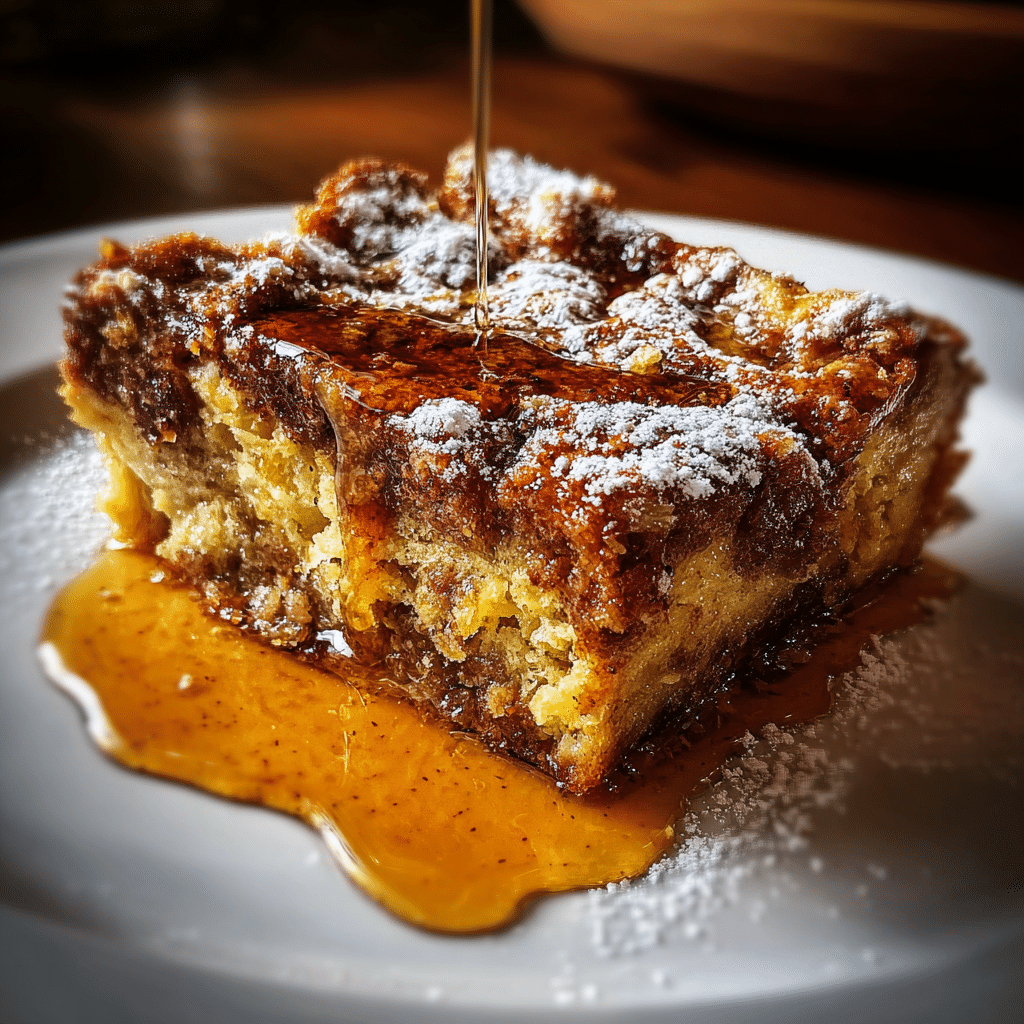
Tired of scrambling to make breakfast while half-asleep, only to serve dry, boring toast that nobody gets excited about? This Overnight French Toast Casserole transforms your morning routine into something magical a golden, custardy masterpiece that bakes itself while you sleep and fills your home with the irresistible aroma of cinnamon and vanilla.
I’m Simon, and I’ve been perfecting comfort food recipes for years, always searching for ways to make cooking easier without sacrificing flavor. This French toast casserole was born from a chaotic Christmas morning when I realized I needed to feed twelve people breakfast but wanted to actually enjoy the holiday instead of being chained to the stove. My pastry genius, Megan Carter, suggested we treat French toast like bread pudding, and that spark of inspiration changed everything. We’ve tested this recipe countless times with my team Jackson Reed, Olivia Brooks, and Megan—tweaking ratios and techniques until it became absolutely foolproof.
In this comprehensive guide, you’ll discover how to select the perfect bread, create the ultimate custard mixture, and master the make-ahead technique that lets you sleep in while breakfast bakes itself. Whether you’re hosting holiday brunch, treating your family on a weekend, or meal-prepping for busy weekday mornings, this recipe will become your new breakfast standard.
Why This French Toast Casserole Recipe Works
This isn’t your average breakfast it’s a strategic make-ahead solution that delivers bakery-quality results with minimal morning effort. The overnight soak transforms simple ingredients into something extraordinary.
- Uses affordable, easy-to-find ingredients: Basic bread, eggs, milk, and pantry staples create restaurant-worthy results
- Prep in 15 minutes the night before: Assemble everything before bed and wake up to breakfast that’s ready to bake
- Perfect for weekday mornings or weekend brunches: Versatile enough for rushed mornings or leisurely gatherings
- Feeds a crowd effortlessly: One 9×13 pan serves 8-10 people with no last-minute cooking stress
- Naturally customizable for dietary needs: Easily adapted for dairy-free, gluten-free, or lower-sugar diets
The magic happens during that overnight rest. The bread absorbs the custardy egg mixture completely, creating a texture that’s simultaneously creamy and slightly crispy never soggy or eggy. The extended soak eliminates the raw egg taste that plagues rushed French toast, while allowing flavors to meld and deepen. When you bake it the next morning, the top caramelizes into a golden crust while the interior stays luxuriously soft.
Choosing the Right Bread for French Toast Casserole
The foundation of exceptional French toast casserole is selecting bread with the right texture and structure. Your choice dramatically impacts whether you get a soggy mess or a perfectly custardy masterpiece.
Best Bread for This French Toast Casserole Recipe
Challah bread is the gold standard its rich, eggy texture and tender crumb create the most luxurious French toast casserole imaginable. The bread’s slight sweetness complements the custard perfectly, and its tight crumb structure holds the egg mixture without disintegrating. Look for day-old or slightly stale challah for optimal absorption.
Brioche delivers similar results to challah with its buttery richness and soft texture. The bread’s natural sweetness means you can reduce added sugar slightly. Brioche creates an incredibly tender, almost cake-like final product that feels indulgent without being heavy.
French bread or baguette works beautifully if you prefer a more rustic texture. The crusty exterior becomes delightfully crispy while the interior stays custardy. This option creates more textural contrast and works especially well if you like crunchy edges.
Texas toast or thick-sliced white bread is the budget-friendly option that still delivers excellent results. Choose unsliced loaves from the bakery section and cut your own 1-inch thick slices for best results. The thick slices hold their shape better than pre-sliced sandwich bread.
Buying Tips for Perfect French Toast Casserole
Visit your local bakery and ask for day-old bread at a discount. Slightly stale bread is actually preferable for this recipe it absorbs custard better without falling apart. Fresh bread can become mushy because it already contains too much moisture.
If you only have fresh bread, dry it out intentionally. Cut it into cubes and spread on a baking sheet. Leave uncovered at room temperature for 4-6 hours, or bake at 250°F for 15-20 minutes until slightly dried but not toasted.
Choose bread with a tight, even crumb structure. Avoid bread with large air pockets (like ciabatta or sourdough with huge holes) as the custard will pool in the gaps rather than absorbing evenly.
Substitutions for Your French Toast Casserole
Don’t have traditional French toast bread? These alternatives work surprisingly well:
- Croissants: Tear into chunks for an ultra-rich, buttery casserole
- Cinnamon raisin bread: Adds extra sweetness and eliminates the need for cinnamon in the custard
- Hawaiian sweet rolls: Creates a pull-apart style casserole with incredible texture
- Gluten-free bread: Choose a sturdy variety and let it dry out completely before using
Ingredients & Prep for French Toast Casserole
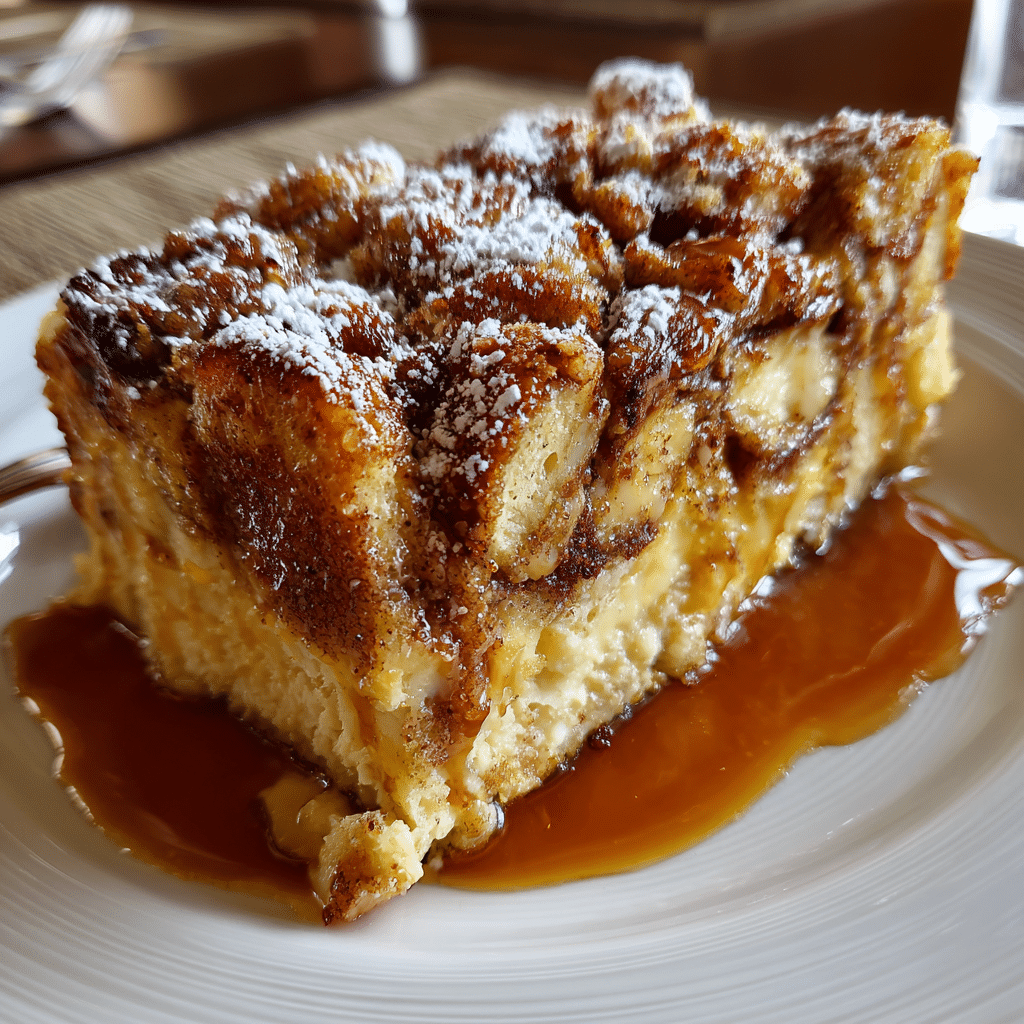
Bread Prep Essentials for Perfect French Toast Casserole
Start by cutting your bread into 1-inch cubes using a serrated bread knife. Uniform sizing ensures even soaking and cooking smaller pieces become mushy while larger chunks stay raw in the center.
If your bread is too fresh and soft, spread the cubes on a baking sheet and let them air-dry for several hours or overnight. Alternatively, toast them lightly in a 250°F oven for 15-20 minutes, tossing halfway through. The bread should feel slightly firm and dry to the touch but not browned or crispy.
Generously butter a 9×13-inch baking dish or spray with cooking oil. This prevents sticking and creates delicious caramelized edges where the custard meets the pan.
Arrange bread cubes in the prepared dish in an even layer. Don’t pack them too tightly—leave some air between pieces so custard can flow around and coat every surface.
French Toast Casserole Custard Ingredients
For the bread base:
- 1 pound (16 ounces) bread, cut into 1-inch cubes (about 10-12 cups)
- Butter or cooking spray for greasing pan
For the custard mixture:
- 8 large eggs
- 2 cups whole milk
- 1 cup heavy cream
- ⅔ cup granulated sugar
- 2 tablespoons pure vanilla extract
- 1 tablespoon ground cinnamon
- ¼ teaspoon ground nutmeg
- ¼ teaspoon salt
For the crunchy topping:
- ½ cup all-purpose flour
- ½ cup packed brown sugar
- 1 teaspoon ground cinnamon
- ¼ teaspoon salt
- 6 tablespoons cold unsalted butter, cut into small pieces
- ½ cup chopped pecans or walnuts (optional)
Pantry Staples That Make French Toast Casserole Shine
Keep these essentials stocked for spontaneous breakfast casserole cravings:
- Quality vanilla extract: Pure vanilla makes a noticeable difference skip imitation if possible
- Fresh ground cinnamon: Pre-ground works fine, but freshly ground delivers more aromatic flavor
- Real maple syrup: For serving pure maple syrup elevates this from good to unforgettable
- Powdered sugar: For dusting the finished casserole and adding visual appeal
Step-by-Step Cooking Instructions for French Toast Casserole
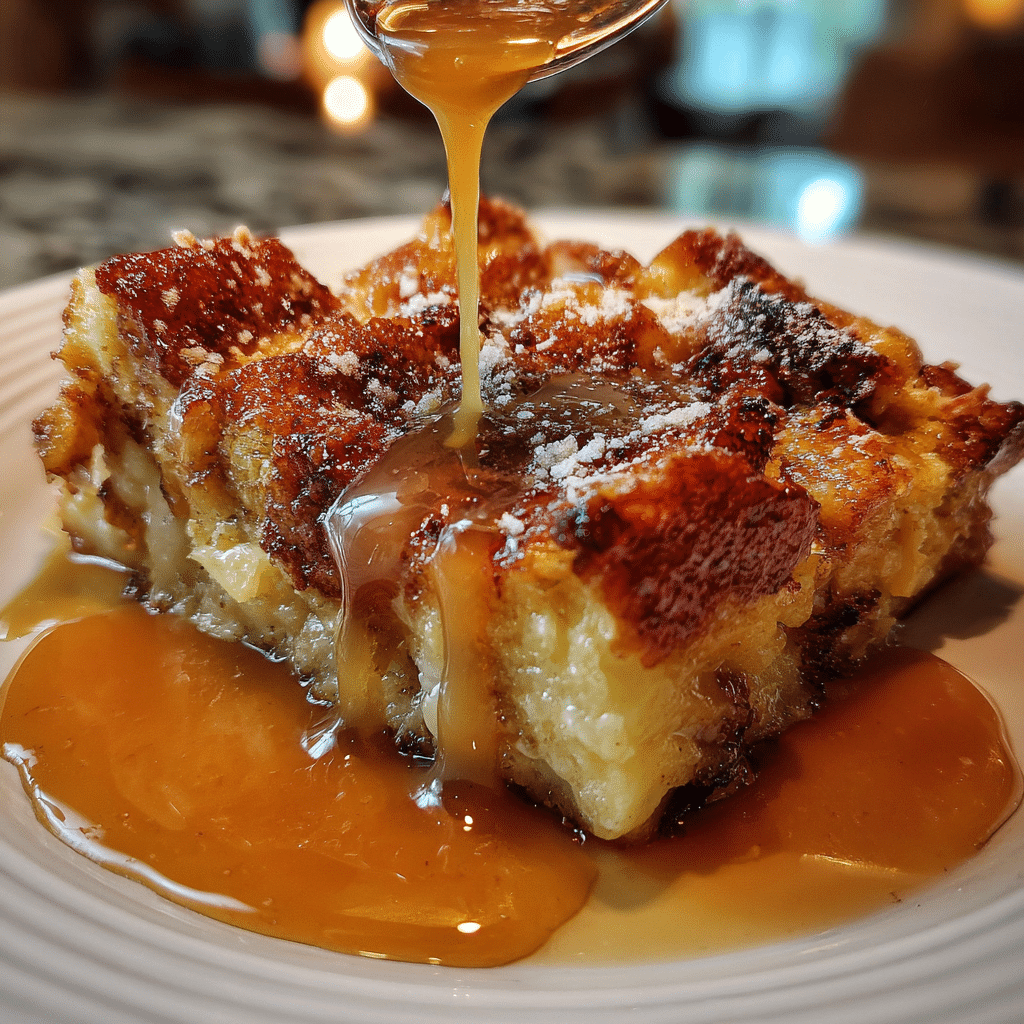
Pre-Cooking Prep for Your French Toast Casserole (Night Before)
Prepare your bread cubes and arrange them in your greased 9×13-inch baking dish in an even layer. Make sure the bread isn’t packed too tightly a slightly loose arrangement allows better custard penetration.
In a large mixing bowl, whisk together eggs until well beaten and no streaks remain. Add milk, heavy cream, granulated sugar, vanilla extract, cinnamon, nutmeg, and salt. Whisk vigorously for 30-60 seconds until completely combined and the sugar begins to dissolve. The mixture should be smooth and uniform in color.
Pour the custard mixture evenly over the bread cubes, making sure to cover all pieces. Use a spatula or your hands to gently press the bread down into the liquid, ensuring every cube gets soaked. Some pieces will float back up that’s normal.
Cover the dish tightly with plastic wrap or aluminum foil and refrigerate for at least 8 hours or up to 24 hours. This overnight rest is crucial it allows the bread to fully absorb the custard, creating that signature creamy interior texture.
Cooking Method for Perfect French Toast Casserole (Morning Of)
Prepare the topping (5 minutes): Remove the casserole from the refrigerator while you preheat the oven to 350°F. In a medium bowl, combine flour, brown sugar, cinnamon, and salt. Add cold butter pieces and use a pastry cutter, two forks, or your fingers to work the butter into the dry ingredients until the mixture resembles coarse crumbs. Stir in chopped nuts if using.
Add topping and bake (45-55 minutes): Remove the cover from the casserole and sprinkle the crumb topping evenly over the surface. Place the dish on the center rack of your preheated oven. Bake for 45-55 minutes until the top is golden brown and crispy, the edges are bubbling, and the center no longer jiggles when you gently shake the pan.
Optional broil for extra crispy top (2-3 minutes): If you want an extra-crunchy topping, switch your oven to broil for the final 2-3 minutes. Watch carefully to prevent burning—it goes from perfect to charred very quickly under the broiler.
Doneness Check for French Toast Casserole
Insert a knife or cake tester into the center of the casserole. It should come out mostly clean with just a few moist crumbs clinging to it. If you see liquid custard on the knife, bake for another 5-10 minutes.
The internal temperature should reach 160°F when measured with an instant-read thermometer in the center. This ensures the eggs are fully cooked and safe to eat.
The casserole should be puffed up and golden brown on top, with caramelized, bubbly edges. The center should be set and not jiggle excessively when you gently shake the pan a slight wobble is fine, but it shouldn’t look liquid.
Resting Your French Toast Casserole
Remove the casserole from the oven and let it rest on a wire rack or heat-safe surface for 10-15 minutes before serving. This resting period allows the custard to set completely, making slicing and serving much easier.
The casserole will deflate slightly as it cools this is completely normal. Don’t worry if that beautiful puffed top settles down a bit; the flavor and texture remain perfect.
During this rest time, warm your maple syrup and prepare any additional toppings like fresh berries, whipped cream, or powdered sugar.
Pro Tips for Perfect French Toast Casserole
Avoiding Soggy French Toast Casserole
Use stale or dried bread. Fresh, soft bread absorbs too much custard and becomes mushy instead of custardy. Day-old bread or intentionally dried bread maintains better structure throughout soaking and baking.
Don’t skip the overnight soak. While you can bake immediately in a pinch, the overnight rest creates superior texture. The extended soak time allows for even absorption, eliminating pockets of dry bread or puddles of raw egg.
Bake uncovered. Covering during baking traps steam and creates a soft, soggy top. You want that dry heat to create a golden, slightly crispy crust while the interior stays creamy.
Let it rest before serving. Cutting into the casserole immediately causes it to fall apart and release excess moisture. The 10-15 minute rest allows everything to set properly.
Tool Recommendations for Making French Toast Casserole
- 9×13-inch baking dish: Glass, ceramic, or metal all work just avoid flimsy disposable pans that warp
- Large mixing bowl: At least 3-quart capacity to whisk custard without splashing
- Whisk: Essential for creating smooth, lump-free custard
- Serrated bread knife: Makes cutting uniform bread cubes easy and prevents crushing
- Pastry cutter or forks: For incorporating butter into the crumb topping
Storage & Reheating Your French Toast Casserole
Refrigerator: Store leftover baked casserole covered tightly with plastic wrap or aluminum foil for up to 4 days. The flavors actually deepen and improve on day two, making this excellent for meal prep.
Freezer: Freeze individual portions wrapped in plastic wrap and placed in freezer bags for up to 2 months. Thaw overnight in the refrigerator before reheating. You can also freeze the entire unbaked casserole—thaw completely before baking and add 10-15 minutes to the baking time.
Reheating for best quality: Microwave individual portions at 50% power in 30-second intervals until warmed through. For oven reheating, cover with foil and bake at 350°F for 15-20 minutes. Add a drizzle of milk or cream before reheating to refresh the texture.
Make-ahead strategy: Assemble the casserole up to 2 days ahead without the topping, keeping it covered in the refrigerator. Make the crumb topping separately and store in a sealed container. Add the topping just before baking for the freshest, crunchiest results.
Flavor Variations for French Toast Casserole
Apple Cinnamon French Toast Casserole
Transform this recipe by layering 2 cups of diced apples (Granny Smith or Honeycrisp work best) between the bread cubes. Toss the apples with 1 tablespoon lemon juice, 2 tablespoons brown sugar, and ½ teaspoon cinnamon before adding. The apples soften during baking, creating pockets of fruit that taste like apple pie filling.
Alternatively, spread a layer of apple butter between two layers of bread for concentrated apple flavor without adding moisture.
Berry Cream Cheese French Toast Casserole
Cut 8 ounces of cream cheese into small cubes and scatter them throughout the bread layers along with 1½ cups of fresh or frozen berries (blueberries, raspberries, or sliced strawberries work beautifully). The cream cheese creates rich, tangy pockets that contrast perfectly with the sweet custard and tart berries.
For an extra special touch, make a simple berry compote by simmering berries with sugar and serve it warm over the baked casserole.
Chocolate Chip French Toast Casserole
Stir ½ cup of semi-sweet or dark chocolate chips into the custard mixture before pouring over the bread. The chocolate melts during baking, creating gooey pockets throughout the casserole. For double chocolate intensity, use chocolate chip brioche as your bread base.
Finish with a drizzle of chocolate sauce and a dollop of whipped cream for an dessert-like breakfast that kids (and adults) will devour.
French Toast Casserole Flavor Variations Table
| Variation | Key Additions | Topping Modification | Best Served With |
|---|---|---|---|
| Classic Cinnamon | Vanilla, cinnamon, nutmeg | Brown sugar crumb, pecans | Pure maple syrup, butter |
| Apple Cinnamon | Diced apples, lemon juice | Apple pie spice crumb | Caramel sauce, vanilla ice cream |
| Berry Cream Cheese | Cream cheese cubes, berries | Streusel topping | Berry compote, whipped cream |
| Chocolate Chip | Chocolate chips | Chocolate crumb topping | Chocolate sauce, powdered sugar |
| Pumpkin Spice | Pumpkin puree, pumpkin spice | Pecan streusel | Maple syrup, whipped cream |
| Tropical | Coconut milk, pineapple | Coconut flake topping | Coconut whipped cream, mango |
Serving Suggestions for French Toast Casserole
This French toast casserole is hearty enough to serve as the main event at brunch but also pairs beautifully with complementary breakfast items for a complete spread.
Classic breakfast spread: Serve alongside crispy chicken sausage, turkey sausage, or vegetarian sausage links. Add a fruit salad with melon, berries, and citrus for freshness that cuts through the richness.
Elevated brunch presentation: Top each slice with a dollop of homemade whipped cream, dust with powdered sugar, and arrange fresh berries artfully on the plate. Serve warm maple syrup in a small pitcher on the side.
Make it a complete meal: Pair with scrambled eggs or a vegetable frittata for protein. Add roasted breakfast potatoes or hash browns for a satisfying, stick-to-your-ribs meal.
Sweet toppings that shine: Beyond maple syrup, try fresh berry compote, salted caramel sauce, lemon curd, Nutella, or even a drizzle of honey. Each adds a different flavor dimension.
Beverage pairings: Serve with freshly brewed coffee, hot chocolate, fresh-squeezed orange juice, or a fruit smoothie. The rich, sweet casserole pairs especially well with tart, acidic drinks that provide contrast.
FAQs About French Toast Casserole
Can I use low-fat milk instead of whole milk and cream for French toast casserole? Yes, but the texture won’t be as rich and creamy. For best results while reducing fat, use 2% milk plus half-and-half instead of heavy cream. Avoid skim milk entirely as it creates a thin, watery custard that doesn’t coat the bread properly. The fat content contributes significantly to the luxurious mouthfeel.
How do I fix soggy French toast casserole? If your baked casserole turned out too wet, return it to a 350°F oven uncovered and bake for an additional 10-15 minutes to evaporate excess moisture. For future batches, ensure your bread is sufficiently dried before soaking, and don’t add extra liquid beyond what the recipe calls for.
My custard didn’t soak in evenly—what went wrong? This usually happens when bread is packed too tightly or you didn’t press it down into the liquid. Next time, arrange bread more loosely and use a spatula to gently press down and move pieces around, ensuring the custard reaches all surfaces. The overnight rest helps equalize absorption.
Can I make French toast casserole without eggs? Creating an egg-free version is challenging since eggs provide structure, but you can try using commercial egg replacer or a mixture of cornstarch and non-dairy milk. Mix 3 tablespoons cornstarch with 3 cups non-dairy milk and increase the baking time. The texture will differ from traditional French toast casserole but can still be delicious.
What if I don’t have time for an overnight soak? In a pinch, let the assembled casserole rest at room temperature for 30-60 minutes, pressing down occasionally to encourage absorption. Bake as directed, but note that the texture won’t be quite as uniformly custardy. The overnight soak truly makes a difference in achieving that perfect creamy interior.
Is this French toast casserole recipe safe during pregnancy? Yes, as long as the casserole bakes to an internal temperature of 160°F, which fully cooks the eggs and eliminates any food safety concerns. Use pasteurized eggs and dairy products. Pregnant individuals should always consult their healthcare provider about dietary questions.
Conclusion
There you have it the ultimate overnight French toast casserole that transforms your breakfast routine from stressful to spectacular. This recipe proves that the best mornings start the night before, with just 15 minutes of prep that yields an hour of relaxation the next day.
Print
French Toast Casserole 5 Secrets to Perfect Overnight Bliss
- Total Time: 65
- Yield: 10 1x
- Diet: Vegetarian
Description
This overnight French toast casserole is the ultimate make-ahead breakfast solution. Prep in just 15 minutes the night before, then wake up to a golden, custardy masterpiece that bakes itself. Featuring bread soaked in a cinnamon-vanilla custard and topped with a crunchy streusel, it’s perfect for holiday brunches, weekend family breakfasts, or meal prep. Feeds 8-10 people with minimal morning effort.
Ingredients
1 pound bread (challah, brioche, or French bread), cut into 1-inch cubes
Butter or cooking spray for greasing pan
8 large eggs
2 cups whole milk
1 cup heavy cream
⅔ cup granulated sugar
2 tablespoons pure vanilla extract
1 tablespoon ground cinnamon
¼ teaspoon ground nutmeg
¼ teaspoon salt
½ cup all-purpose flour
½ cup packed brown sugar
1 teaspoon ground cinnamon
¼ teaspoon salt
6 tablespoons cold unsalted butter, cut into small pieces
½ cup chopped pecans or walnuts (optional)
Instructions
1. The night before: Generously butter a 9×13-inch baking dish. Arrange bread cubes in the dish in an even layer, not packed too tightly.
2. In a large bowl, whisk together eggs until well beaten. Add milk, heavy cream, granulated sugar, vanilla extract, cinnamon, nutmeg, and salt. Whisk vigorously for 30-60 seconds until completely combined.
3. Pour custard mixture evenly over bread cubes, ensuring all pieces are covered. Gently press down with a spatula to help bread absorb liquid.
4. Cover dish tightly with plastic wrap or foil. Refrigerate for at least 8 hours or up to 24 hours.
5. The next morning: Remove casserole from refrigerator. Preheat oven to 350°F.
6. Make the topping: In a medium bowl, combine flour, brown sugar, cinnamon, and salt. Add cold butter pieces and work into dry ingredients using a pastry cutter or fingers until mixture resembles coarse crumbs. Stir in nuts if using.
7. Remove cover from casserole and sprinkle crumb topping evenly over the surface.
8. Bake on center rack for 45-55 minutes until top is golden brown and crispy, edges are bubbling, and center is set and no longer jiggles.
9. Optional: Switch oven to broil for final 2-3 minutes for extra-crispy topping. Watch carefully to prevent burning.
10. Remove from oven and let rest for 10-15 minutes before serving. Dust with powdered sugar if desired.
11. Serve warm with maple syrup, fresh berries, and whipped cream.
Notes
Day-old or slightly stale bread works best—it absorbs custard without becoming mushy.
If using fresh bread, dry it out by spreading cubes on a baking sheet for 4-6 hours or baking at 250°F for 15-20 minutes.
The overnight soak is crucial for even absorption and superior texture. Minimum 8 hours recommended.
Casserole can be assembled up to 2 days ahead. Make topping separately and add just before baking.
Leftover casserole stores covered in refrigerator for 4 days. Reheat individual portions in microwave at 50% power.
For dairy-free version, use coconut milk and coconut cream. For gluten-free, use gluten-free bread that’s been thoroughly dried.
The casserole will puff up during baking and deflate slightly as it cools—this is normal.
- Prep Time: 15
- Cook Time: 50
- Category: Breakfast
- Method: Baking
- Cuisine: American
Nutrition
- Serving Size: 1
- Calories: 385
- Sugar: 28g
- Sodium: 380mg
- Fat: 18g
- Saturated Fat: 10g
- Unsaturated Fat: 7g
- Trans Fat: 0g
- Carbohydrates: 46g
- Fiber: 2g
- Protein: 11g
- Cholesterol: 185mg
Keywords: french toast casserole, overnight french toast, breakfast casserole, make ahead breakfast, brunch recipe