

Tired of bland, greasy Chinese takeout that leaves you hungry an hour later? Hunan Chicken brings authentic Hunan province flavors to your home kitchen tender chicken, crisp vegetables, and a fiery-savory sauce that hits all the right notes without the MSG, excessive oil, or disappointing quality of restaurant versions. This isn’t your typical sweet, goopy stir-fry; it’s bold, spicy, and intensely aromatic.
Hi there, I’m Simon, and I’ve learned that the best Chinese food doesn’t have to come from a restaurant. Growing up, I was fascinated by the complex layers of flavor in Chinese cooking the balance of heat, savory, and aromatic elements that make each bite exciting. When my team and I decided to master Hunan chicken, we wanted to create something that honored the traditional dry-heat cooking method of Hunan cuisine while making it accessible for home cooks. Jackson’s expertise with high-heat cooking was invaluable, Megan surprisingly contributed insights on balancing the sauce (pastry precision translates to sauce-making), and Olivia captured the vibrant colors that make this dish as beautiful as it is delicious.
In this complete guide, you’ll discover why this stir-fry technique works so brilliantly, how to choose and prep your chicken properly, step-by-step cooking instructions for restaurant-quality results, pro tips for achieving that perfect sear and sauce, creative variations to adjust heat levels and flavors, and answers to all your stir-fry questions. Whether you’re a wok novice or an experienced home cook, this recipe will become your new favorite weeknight dinner.
Why This Hunan Chicken Recipe Works
This authentic-style Hunan chicken has converted countless takeout lovers into home cooks, and here’s why it’s so successful:
- Uses affordable chicken breast or thighs – No expensive cuts required; either works beautifully with this technique
- Quick 15-minute marinade – The velveting technique tenderizes chicken while you prep vegetables
- Ready in 20 minutes – Faster than delivery and infinitely better quality
- High heat, bold flavors – Authentic dry stir-fry method creates smoky, caramelized edges without greasiness
- Customizable spice level – Easily adjust heat from mild to mouth-numbing based on preference
- Restaurant texture at home – The secret velveting technique ensures silky, never-rubbery chicken
- One-pan wonder – Everything cooks in sequence in the same wok or skillet for easy cleanup
The magic lies in the combination of velveting the chicken (coating in cornstarch and briefly marinating), cooking over high heat in stages, and using a sauce that’s more savory and spicy than sweet. Unlike Americanized Chinese food, authentic Hunan chicken should have visible chilies, crisp vegetables, and a dry (not saucy) finish that clings to ingredients rather than pooling on the plate.
Choosing the Right Chicken for Hunan Chicken
The cut of chicken you select dramatically impacts the final texture and how it absorbs the bold Hunan flavors.
Best Cuts for This Recipe
Boneless, skinless chicken breast is traditional and creates the most tender, delicate texture when properly velveted. Slice against the grain into thin strips (about ¼-inch thick) for maximum tenderness.
Why chicken breast works: Its mild flavor allows the bold sauce and aromatics to shine. The lean meat responds beautifully to the velveting technique, creating that signature silky texture found in great Chinese restaurants.
Chicken thighs are an excellent alternative if you prefer darker, more flavorful meat. They’re more forgiving and stay juicy even if slightly overcooked. Thighs have a richer taste that stands up well to the intense spices.
Slicing technique matters: Always slice chicken thinly (¼-inch) against the grain. This shortens the muscle fibers, making each bite more tender. Partially freezing chicken for 15-20 minutes makes slicing uniform pieces much easier.
Buying Tips
Look for plump, pink chicken without gray patches or strong odors. The meat should feel firm and spring back when pressed gently.
Fresh vs. frozen: Fresh is ideal, but quality frozen chicken works fine. Thaw completely in the refrigerator overnight before using. Pat very dry before slicing and marinating.
Organic or conventional: Either works for this recipe. The bold marinade and sauce flavors make premium chicken less critical than for simpler preparations.
Package size: You’ll need about 1 to 1½ pounds for 4 servings. Buy a little extra if breasts are small—it’s better to have leftovers than not enough.
Substitutions
Turkey breast can replace chicken in a 1:1 ratio. The flavor is slightly different but the texture works well with velveting.
Shrimp makes an excellent protein swap for Hunan-style stir-fry. Use 1 pound peeled, deveined shrimp and reduce cooking time to 2-3 minutes total.
Tofu (extra-firm, pressed and cubed) works for vegetarian Hunan stir-fry. Skip the velveting and instead toss in cornstarch before frying until crispy.
Ingredients & Prep for Hunan Chicken
Chicken Prep and Velveting Essentials
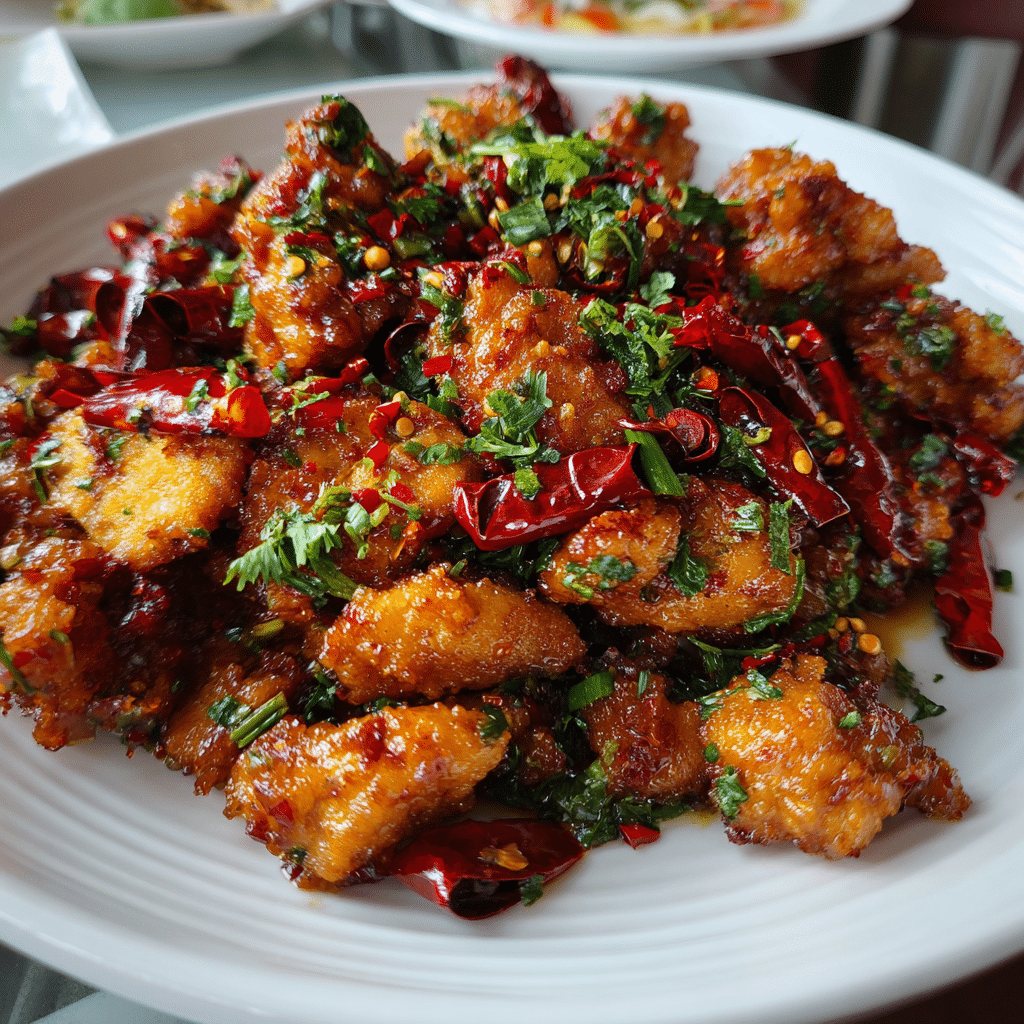
Slice uniformly: Partially freeze chicken for 15-20 minutes, then slice against the grain into ¼-inch thick strips. Uniform size ensures even cooking no raw centers with overcooked edges.
The velveting technique: This is the secret to restaurant-quality texture. Toss sliced chicken with 1 tablespoon cornstarch, 1 tablespoon soy sauce, 1 teaspoon oil, and 1 egg white. Let marinate for 15-30 minutes. The cornstarch creates a protective coating that seals in moisture, while the egg white adds silkiness.
Pat dry before cooking: After marinating, use paper towels to remove excess moisture from the chicken surface. Wet chicken steams instead of sears, preventing that delicious caramelized exterior.
Hunan Sauce Ingredients
For the chicken marinade (velveting):
- 1½ pounds boneless, skinless chicken breast, thinly sliced
- 1 tablespoon cornstarch
- 1 tablespoon soy sauce
- 1 teaspoon vegetable oil
- 1 egg white
For the Hunan sauce:
- 3 tablespoons soy sauce
- 2 tablespoons oyster sauce
- 1 tablespoon rice vinegar
- 1 tablespoon hoisin sauce
- 1 teaspoon sugar
- 1 teaspoon sesame oil
- ½ teaspoon white pepper
- 2 tablespoons chicken broth or water
For the stir-fry:
- 3 tablespoons vegetable oil (divided)
- 6-8 dried red chilies, whole or broken
- 4 garlic cloves, minced
- 1 tablespoon fresh ginger, minced
- 1 red bell pepper, cut into strips
- 1 green bell pepper, cut into strips
- 1 medium onion, sliced
- 3-4 green onions, cut into 2-inch pieces
- 1 tablespoon cornstarch + 1 tablespoon water (slurry for thickening)
Pantry Staples
Soy sauce forms the salty, umami base. Oyster sauce adds depth and subtle sweetness without making the dish sugary. Rice vinegar provides the acid balance that makes flavors pop.
Dried red chilies are traditional and add authentic heat plus smoky flavor when quickly fried. Adjust quantity based on heat tolerance—6 for medium spice, 10+ for fire-breathing heat.
Fresh ginger and garlic are non-negotiable. Their pungent aromatics define Hunan cuisine. Jarred versions can’t replicate the bright, sharp notes of fresh.
White pepper has a different heat profile than black pepper—more floral and less sharp. It’s traditional in Chinese cooking and adds complexity.
Step-by-Step Cooking Instructions for Hunan Chicken
Pre-Cooking Prep for Hunan Chicken
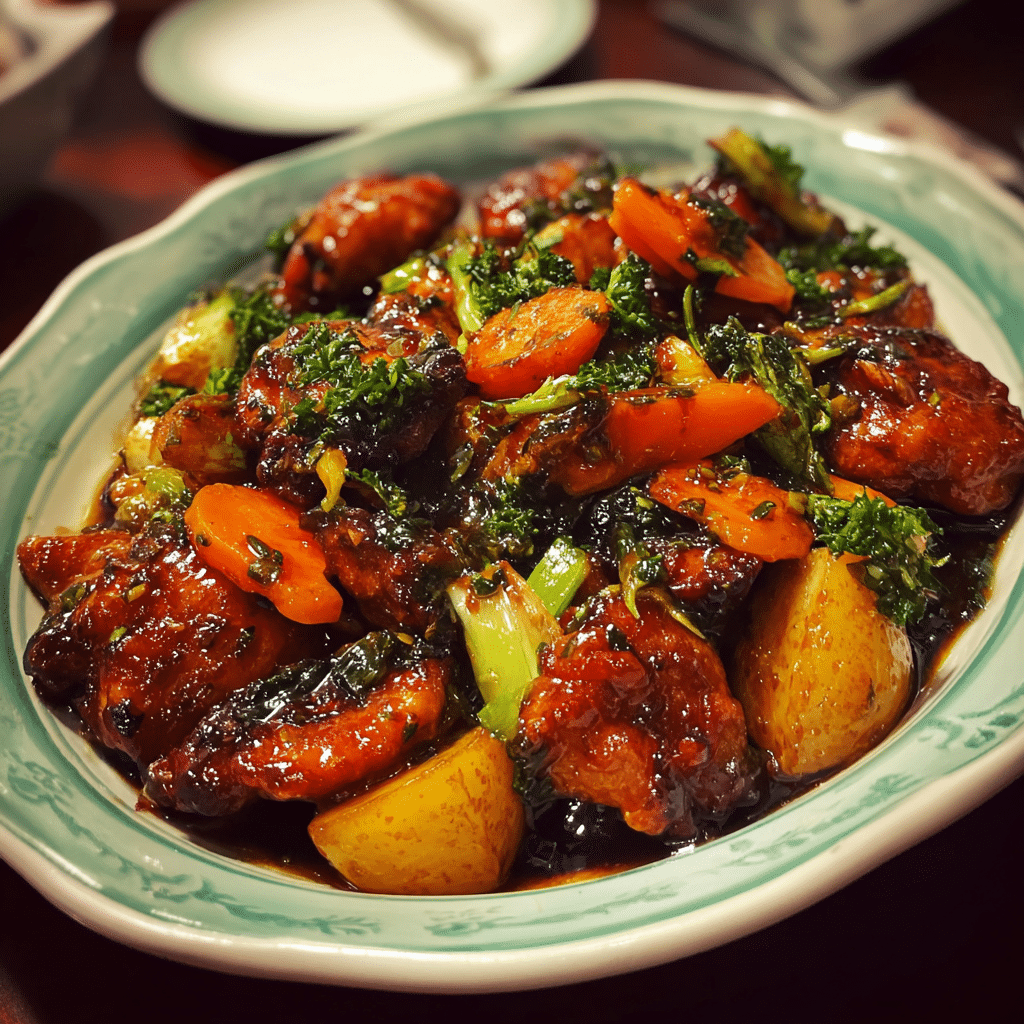
Mix all sauce ingredients in a small bowl and set aside near the stove. Once cooking begins, everything happens fast—no time to measure.
Have all vegetables sliced and arranged near the stove in the order you’ll add them. Mise en place (everything in place) is crucial for successful stir-frying.
Mix the cornstarch slurry (1 tablespoon cornstarch + 1 tablespoon cold water) and set aside for final thickening.
Critical step: Pat marinated chicken pieces dry with paper towels to remove excess moisture. This ensures proper searing instead of steaming.
High-Heat Stir-Fry Method for Hunan Chicken
Heat your wok or large skillet over high heat until smoking hot this takes 2-3 minutes. Add 2 tablespoons vegetable oil and swirl to coat.
Cook the chicken: Working in batches to avoid crowding (this is crucial!), add half the chicken in a single layer. Let it sear undisturbed for 1 minute, then stir-fry for another 1-2 minutes until just cooked through (internal temp 165°F). Transfer to a plate. Repeat with remaining chicken. Set aside.
Wipe the wok if there are burnt bits, then return to high heat.
Build the aromatics: Add remaining 1 tablespoon oil. Immediately add dried chilies and stir-fry for 10-15 seconds until fragrant and slightly darkened (watch carefully they burn quickly).
Add minced garlic and ginger. Stir-fry for 15-20 seconds until aromatic but not burned. The key is moving constantly.
Cook the vegetables: Add bell peppers and onion. Stir-fry for 2-3 minutes until vegetables are crisp-tender with slight char. They should still have crunch.
Add green onions and stir-fry for 30 seconds.
Combining and Finishing Hunan Chicken
Return cooked chicken to the wok with the vegetables. Toss everything together for 30 seconds to reheat chicken.
Pour the prepared sauce over everything. Toss vigorously for 30-60 seconds, ensuring all ingredients are coated.
Give the cornstarch slurry a quick stir (it settles), then drizzle it around the wok while tossing continuously. The sauce will thicken immediately and cling to the chicken and vegetables.
Stir-fry for a final 30 seconds until sauce is glossy and coats everything but doesn’t pool on the bottom.
Doneness Check for Hunan Chicken
Chicken should be completely cooked through with no pink (165°F internal temperature). Since pieces are thin, they cook quickly—usually 2-3 minutes total.
Vegetables should be crisp-tender, not mushy. They should retain vibrant colors and have slight char marks.
The sauce should cling to ingredients rather than pooling. If too wet, cook 30 more seconds over high heat to evaporate excess moisture.
Serving Your Hunan Chicken
Transfer immediately to a serving platter. Hunan chicken is best served piping hot, straight from the wok.
The dish should look relatively dry compared to saucy stir-fries this is authentic. Ingredients should glisten with sauce but not swim in it.
Serve immediately over steamed white rice or noodles. The intense flavors pair perfectly with plain rice.
Pro Tips for Perfect Hunan Chicken
Avoiding Rubbery or Tough Chicken
Don’t skip velveting: This 15-minute step is the difference between tough, rubbery chicken and silky restaurant-quality texture.
Slice thin and against the grain: Thick pieces or slicing with the grain creates chewy, tough bites.
Pat dry before cooking: Moisture is the enemy of a good sear. Dry chicken = caramelization. Wet chicken = steaming and toughness.
Don’t overcook: Thin strips need only 2-3 minutes total cooking time. Overcooking makes any chicken tough, no matter how well-prepared.
Avoiding Soggy or Greasy Stir-Fry
High heat is essential: Your wok should be smoking hot. Medium heat steams food instead of searing it, creating soggy, greasy results.
Don’t overcrowd: Cook chicken in batches if necessary. Crowded pans trap steam, preventing the sear that creates flavor and texture.
Keep ingredients moving: Constant motion prevents burning while ensuring even cooking and that signature “wok hei” (breath of the wok) flavor.
Add sauce at the end: Never add sauce early or simmer this makes everything soggy. Sauce goes in during the final minute.
Tool Recommendations
A carbon steel wok is ideal for authentic stir-frying it heats quickly and develops those smoky flavors. A large stainless steel or cast-iron skillet works if you don’t have a wok.
Long chopsticks or a wok spatula keep your hands safe from the high heat while stirring. A spider strainer makes removing chicken easy while leaving oil for vegetables.
Storage & Reheating for Hunan Chicken
Refrigerator: Store in an airtight container for up to 3 days. The flavors actually intensify overnight, though texture softens slightly.
Freezer: Freeze for up to 2 months. The vegetables will be softer when thawed, but flavor remains good.
Reheating: Best method is in a hot wok or skillet, tossing over high heat for 2-3 minutes. This restores some of the original texture. Microwave works but makes things softer—heat in 30-second intervals, stirring between.
Meal prep: This recipe doubles easily for weekly meal prep. Store with rice in separate containers and reheat separately for best results.
Flavor Variations for Hunan Chicken
Extra Spicy Hunan Chicken
Double the dried chilies to 12-16, and add 1-2 teaspoons of chili oil or Sichuan chili paste to the sauce. For extreme heat, include fresh Thai bird chilies minced with the garlic.
Mild Family-Friendly Version
Reduce dried chilies to 2-3 (just for flavor, not heat) and remove them before serving. Replace white pepper with black pepper for milder spice. Add 1 extra teaspoon of sugar to balance flavors.
Vegetable-Heavy Hunan Chicken
Add mushrooms, snap peas, baby corn, and water chestnuts along with the bell peppers. Increase sauce by 50% to coat the extra vegetables.
Hunan Shrimp or Seafood
Replace chicken with 1 pound peeled, deveined shrimp. Skip the velveting (shrimp needs no marinating). Cook shrimp first for just 2 minutes until pink, then proceed with recipe.
Keto-Friendly Hunan Chicken
Skip the cornstarch in both marinade and slurry. Use coconut aminos instead of soy sauce, and erythritol instead of sugar. The sauce will be thinner but still delicious. Serve over cauliflower rice.
Hunan Chicken with Black Bean Sauce
Add 2 tablespoons fermented black beans (rinsed and mashed) with the garlic and ginger. This creates a deeper, more pungent flavor profile typical of some Hunan preparations.
Variation Comparison Table
| Variation | Heat Level | Key Changes | Best For | Carb Content |
|---|---|---|---|---|
| Classic Hunan | Medium-High | 6-8 dried chilies | Spice lovers | Low (with rice: high) |
| Extra Spicy | Very High | 12-16 chilies + chili oil | Heat seekers | Low (with rice: high) |
| Mild | Low | 2-3 chilies, extra sugar | Kids, sensitive palates | Low (with rice: high) |
| Vegetable-Heavy | Medium | Extra vegetables | Veggie lovers | Low (with rice: high) |
| Shrimp Version | Medium | Shrimp instead of chicken | Seafood fans | Low (with rice: high) |
| Keto | Medium | No cornstarch, cauliflower rice | Low-carb dieters | Very low |
| Black Bean | Medium-High | Fermented black beans | Authentic flavor seekers | Low (with rice: high) |
Serving Suggestions for Hunan Chicken
This versatile stir-fry pairs beautifully with various sides and can be served multiple ways.
Over steamed white rice: The classic pairing. The plain rice balances the intense spices and soaks up the flavorful sauce.
With fried rice: For a complete one-bowl meal, serve over vegetable or egg fried rice. The combination creates a satisfying, restaurant-quality dinner.
Over noodles: Lo mein, rice noodles, or even spaghetti work beautifully. Toss the Hunan chicken with the cooked noodles for a fusion twist.
Lettuce wraps: For a low-carb option, serve the Hunan chicken in butter lettuce cups with shredded carrots and cucumber.
Meal prep bowls: Portion with brown rice, steamed broccoli, and edamame for balanced, ready-to-reheat lunches.
With complementary sides: Egg drop soup, hot and sour soup, or cucumber salad provide cooling contrast to the spicy chicken.
Beverage pairings: Ice-cold beer (especially lagers), iced green tea, or coconut water help tame the heat. For adults, an off-dry Riesling or Gewürztraminer complements the spice beautifully.
FAQs About Hunan Chicken
Can I use frozen chicken? Yes, but thaw completely first. Pat extra dry since frozen chicken releases more moisture. Never cook from frozen it won’t velvet properly and texture will be rubbery.
What’s the difference between Hunan and Kung Pao chicken? Hunan is spicier, less sweet, and uses more vegetables. Kung Pao includes peanuts and is saucier with a sweet-spicy profile. Hunan focuses on pure heat and dry-stir-fry technique.
My chicken came out rubbery. What happened? Either you skipped the velveting step, overcooked the chicken, or didn’t have high enough heat. Make sure to velvet for at least 15 minutes and cook quickly over very high heat.
Can I make this less spicy? Absolutely! Reduce dried chilies to 2-3 and remove them before serving. You can also skip the white pepper or reduce it to ¼ teaspoon.
Why is my stir-fry watery? Either your heat wasn’t high enough, you overcrowded the pan, or the chicken wasn’t dried properly before cooking. Make sure your wok is smoking hot and cook in batches.
Can I prep ingredients ahead? Yes! Slice chicken and vegetables, make the sauce, and marinate chicken up to 24 hours ahead. Store separately in the refrigerator. The actual cooking must be done just before serving for best texture.
Is this recipe safe for pregnant women? Yes, as long as chicken reaches 165°F internal temperature. All ingredients are pregnancy-safe when the chicken is fully cooked.
What if I don’t have a wok? A large (12-inch or larger) stainless steel or cast-iron skillet works fine. The key is high heat and not overcrowding surface area matters more than shape.
How do I reduce the sodium? Use low-sodium soy sauce and reduce or eliminate the oyster sauce (replace with more chicken broth). The dish will be less traditional but still flavorful.
Can I add more vegetables? Definitely! Snap peas, mushrooms, baby corn, and broccoli all work well. Add them with the bell peppers and adjust sauce quantity accordingly.
Conclusion
You now have all the secrets to creating authentic-tasting Hunan Chicken that rivals your favorite Chinese restaurant without the MSG, excessive oil, or disappointing quality. This fiery, aromatic stir-fry proves that restaurant-quality Chinese food is absolutely achievable in your home kitchen.
Print
Hunan Chicken 10 Secrets to Perfect Restaurant-Quality Stir-Fry
- Total Time: 30
- Yield: 4 1x
Description
This authentic Hunan Chicken recipe brings bold, spicy flavors of China’s Hunan province to your home kitchen in just 20 minutes. Tender chicken is velveted for restaurant-quality texture, then stir-fried with crisp vegetables and dried chilies in a savory-spicy sauce that’s more complex than sweet. Unlike greasy takeout, this recipe uses high-heat stir-fry technique for that signature smoky ‘wok hei’ flavor without excess oil. Customizable heat levels make it perfect for everyone from mild preferences to extreme spice lovers. Better than takeout and so much healthier!
Ingredients
FOR THE CHICKEN MARINADE (VELVETING):
1½ pounds boneless, skinless chicken breast, thinly sliced against grain
1 tablespoon cornstarch
1 tablespoon soy sauce
1 teaspoon vegetable oil
1 egg white
FOR THE HUNAN SAUCE:
3 tablespoons soy sauce
2 tablespoons oyster sauce
1 tablespoon rice vinegar
1 tablespoon hoisin sauce
1 teaspoon sugar
1 teaspoon sesame oil
½ teaspoon white pepper
2 tablespoons chicken broth or water
FOR THE STIR-FRY:
3 tablespoons vegetable oil, divided
6–8 dried red chilies, whole or broken (adjust for heat preference)
4 garlic cloves, minced
1 tablespoon fresh ginger, minced
1 red bell pepper, cut into strips
1 green bell pepper, cut into strips
1 medium onion, sliced
3–4 green onions, cut into 2-inch pieces
1 tablespoon cornstarch + 1 tablespoon cold water (slurry)
Instructions
1. Slice chicken breast thinly (¼-inch) against the grain. For easier slicing, partially freeze for 15-20 minutes first.
2. In a bowl, combine chicken with 1 tablespoon cornstarch, 1 tablespoon soy sauce, 1 teaspoon oil, and 1 egg white. Mix well and let marinate for 15-30 minutes. This velveting technique is crucial for tender texture.
3. While chicken marinates, prepare sauce by whisking together all sauce ingredients in a small bowl. Set aside.
4. Prep all vegetables and have them arranged near the stove. Mix cornstarch slurry (1 tablespoon cornstarch + 1 tablespoon water) and set aside.
5. Pat marinated chicken pieces dry with paper towels to remove excess moisture—this is essential for proper searing.
6. Heat wok or large skillet over high heat until smoking hot, about 2-3 minutes. Add 2 tablespoons oil and swirl to coat.
7. Working in batches to avoid crowding, add half the chicken in single layer. Sear undisturbed for 1 minute, then stir-fry for 1-2 minutes until just cooked through (165°F). Transfer to plate. Repeat with remaining chicken.
8. Return wok to high heat. Add remaining 1 tablespoon oil.
9. Add dried chilies and stir-fry for 10-15 seconds until fragrant and slightly darkened. Watch carefully as they burn quickly.
10. Add minced garlic and ginger. Stir-fry for 15-20 seconds until aromatic, moving constantly to prevent burning.
11. Add bell peppers and onion. Stir-fry for 2-3 minutes until crisp-tender with slight char but still crunchy.
12. Add green onions and stir-fry for 30 seconds.
13. Return cooked chicken to wok with vegetables. Toss everything together for 30 seconds.
14. Pour prepared sauce over everything. Toss vigorously for 30-60 seconds to coat all ingredients.
15. Give cornstarch slurry a quick stir, then drizzle around wok while tossing continuously. Sauce will thicken immediately.
16. Stir-fry for final 30 seconds until sauce is glossy and clings to chicken and vegetables without pooling.
17. Transfer immediately to serving platter. Serve piping hot over steamed white rice.
Notes
Velveting the chicken for 15-30 minutes is the secret to restaurant-quality silky texture. Don’t skip this step.
Slice chicken thinly (¼-inch) against the grain for maximum tenderness. Partially freezing makes uniform slicing easier.
Pat chicken dry after marinating—moisture prevents proper searing and creates steaming instead of caramelization.
High heat is essential for authentic stir-fry. Your wok should be smoking hot before adding ingredients.
Don’t overcrowd the pan. Cook chicken in batches if necessary to maintain high heat and achieve proper sear.
Keep ingredients moving constantly once cooking begins to prevent burning while ensuring even cooking.
Adjust dried chilies based on heat preference: 3-4 for mild, 6-8 for medium, 10-12 for very spicy.
White pepper has different flavor than black pepper—more floral and traditional in Chinese cooking.
Add sauce only at the very end. Never simmer or the dish becomes soggy instead of having that dry stir-fry texture.
The finished dish should be relatively dry with sauce clinging to ingredients, not pooling on the plate.
Store leftovers in airtight container for up to 3 days. Reheat in hot wok or skillet for best texture restoration.
This recipe doubles easily for meal prep. Store with rice separately and reheat individually.
- Prep Time: 20
- Cook Time: 10
- Category: Main Course
- Method: Stir-Fry
- Cuisine: Chinese, Hunan
Nutrition
- Serving Size: 1
- Calories: 310
- Sugar: 5g
- Sodium: 980mg
- Fat: 14g
- Saturated Fat: 2g
- Unsaturated Fat: 11g
- Trans Fat: 0g
- Carbohydrates: 16g
- Fiber: 2g
- Protein: 32g
- Cholesterol: 95mg
Keywords: hunan chicken, spicy chicken stir fry, chinese chicken, velveting chicken, wok cooking