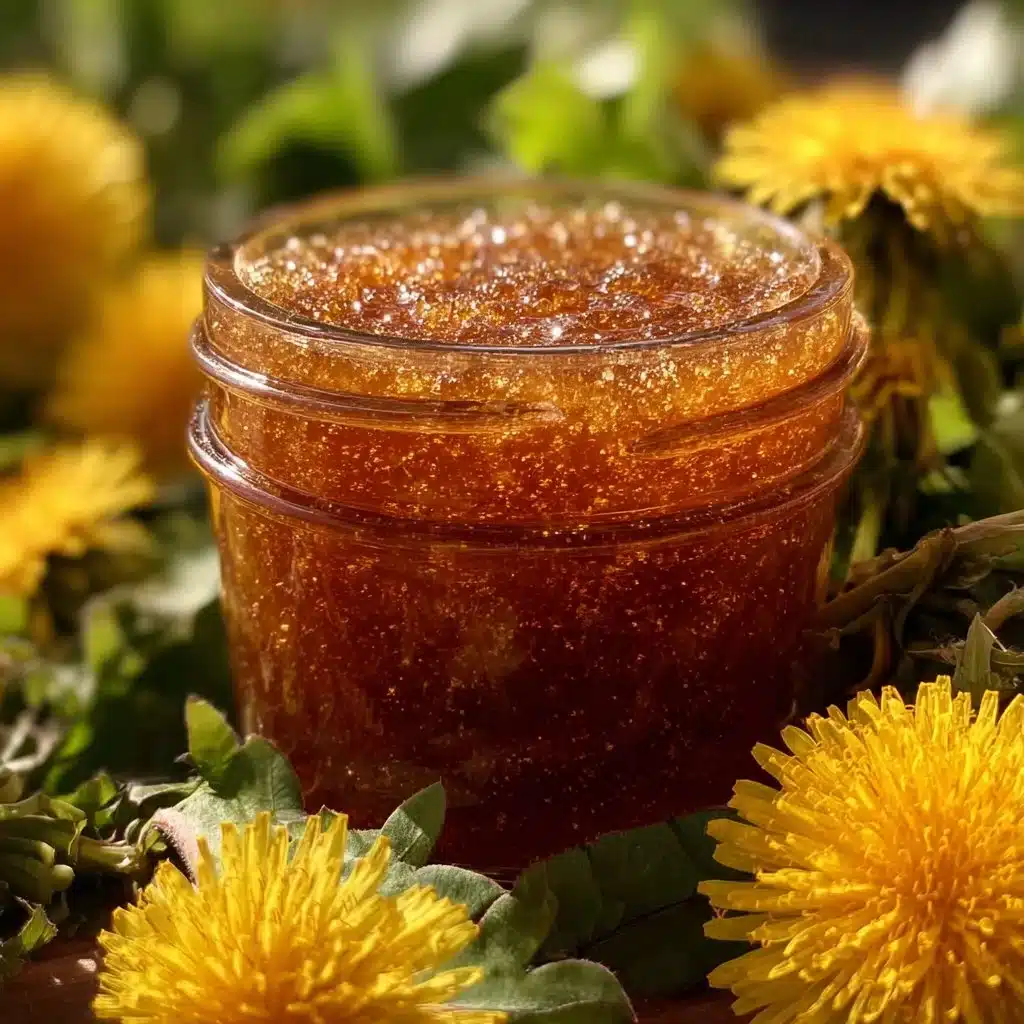
The Magic of Making Fresh Dandelion Jelly
I still remember the first time I tasted dandelion jelly. It was a warm, sunny afternoon at my grandmother’s house, and she had just pulled a batch off the stove. The vibrant yellow hue captured my attention immediately, but it was the floral aroma that beckoned me closer. My grandmother told me tales of her childhood, where picking dandelion petals was a cherished tradition. She said they were not just a weed but a gift from nature, perfect for making jelly that added a burst of sunshine to any breakfast table. Now, I carry on that legacy, and I can assure you, making dandelion jelly is not just a rewarding experience—it’s a delightful treat that brings a taste of nostalgia and a dazzling splash of color to your pantry.
Why Make This Recipe?
If you’re looking for something both delicious and unique, look no further. Dandelion jelly combines an exceptional floral taste with a sweet tang from lemon and vinegar. It’s surprisingly easy to make, too! You don’t need to be a seasoned chef; even beginners can nail this recipe on their first try. Plus, dandelions are often abundant in backyards or nearby parks—just make sure you pick them in a chemical-free area. This recipe is budget-friendly and can add a special touch to family gatherings or brunch with friends. Kids love the vibrant color and sweetness, making it a great way to get them involved in the kitchen. Plus, you can use the jelly in various ways, whether as a spread on toast, a drizzle over desserts, or even as a unique gift in a jar.
How to Make Fresh Dandelion Jelly
Making dandelion jelly takes around 90 minutes, from harvesting the petals to sealing the jars. You don’t need any fancy tools—just a large pot, a fine mesh strainer, and some sterilized jars. The process is straightforward: you extract the floral essence from the dandelion petals and combine it with sugar and pectin to create a sweet, smooth jelly. And the best part? You’ll end up with several jars that will brighten your pantry and offer a taste of spring all year long!
Ingredients
Here’s what you’ll need to whip up your very own dandelion jelly:
- 4 cups packed fresh dandelion petals (yellow parts only, avoid green)
- 4 cups (960 ml) filtered water
- 4 cups (800 g) granulated sugar (organic cane sugar preferred)
- 1/4 cup (60 ml) freshly squeezed lemon juice
- 2 tablespoons (30 ml) apple cider vinegar
- 1 box (about 3 ounces or 85 g) powdered fruit pectin (e.g., Sure-Jell)
- Optional: up to 2 tablespoons (30 ml) honey
- Optional: small piece of vanilla bean, scraped
Step-by-Step Directions
Let’s get started! Follow these simple steps to create your dandelion jelly:
-
Harvest and Prep Dandelion Petals: Pick fresh dandelion flowers on a dry, sunny morning. Aim for flowers with bright yellow petals. Pluck only the yellow petals, rinse them gently in cold water, and drain them well. This step should take about 15 minutes.
-
Simmer Petals to Extract Flavor: Place the petals in a large pot, along with 4 cups of water. Bring the mixture to a gentle boil over medium heat, then reduce to low and let it simmer uncovered for 30 minutes. You’ll notice the water turning golden and filling your kitchen with an enticing floral aroma.
-
Strain the Petal Liquid: After simmering, pour the mixture through a fine mesh strainer or cheesecloth into a clean bowl or pot. Press gently on the petals to extract as much liquid as possible, then discard the petals. This straining process should take you about 10 minutes.
-
Add Sugar, Lemon Juice, Vinegar, and Pectin: Return the strained liquid to the pot. Now it’s time to stir in the sugar, freshly squeezed lemon juice, apple cider vinegar, and powdered fruit pectin. Mix everything well before heating—this step takes another 10 minutes.
-
Boil the Jelly Mixture: Bring the mixture to a full rolling boil over medium-high heat. Stir constantly and boil hard for exactly 1 minute; this step activates the pectin and thickens your jelly. This will take around 10 minutes.
-
Test the Jelly Set: To check if your jelly is ready, drop a spoonful onto a chilled plate. Let it sit for 1 minute, then run your finger through it. If it wrinkles and holds its shape, it’s ready! If it doesn’t, boil for another 30 seconds and test again. This test usually takes about 5 minutes.
-
Jar the Jelly: Ladle the hot jelly into sterilized jars, leaving a 1/4 inch headspace at the top. Wipe the rims of the jars, seal them with lids, and invert the jars for 5 minutes to help them seal. After that, turn the jars upright and let them cool completely—this final step should take around 15 minutes.
-
Cool and Store: Once the jars have cooled, check the seals and store them in a cool, dark place. Remember to refrigerate any jar once opened.
How to Serve Fresh Dandelion Jelly
Dandelion jelly makes for a unique addition to many dishes. Spread it over warm toast or flaky croissants for a delightful breakfast. It pairs beautifully with cream cheese on bagels or as a topping for your favorite cheese platter. You can use it as a filling for pastries, drizzle it over vanilla ice cream, or even mix it into yogurt for a refreshing snack. The possibilities are endless, and your friends will rave about this charming jelly!
How to Store Fresh Dandelion Jelly
Once sealed and stored in a cool, dark place, your dandelion jelly can last for up to a year. After opening, store it in the refrigerator, where it will remain good for about 3-4 weeks. If you want to keep it longer, you can freeze it. Just make sure to leave some headspace in the jars, as jelly expands when frozen—this way, it will maintain its perfect consistency.
Tips for Perfect Dandelion Jelly
- Select Quality Petals: Only pick bright yellow petals from non-treated areas to ensure your jelly is safe and flavorful.
- Don’t Rush the Simmering Process: Giving the petals plenty of time to infuse will enhance the jelly’s flavor.
- Be Precise with Pectin: Measure it accurately to achieve the right jelly consistency. Too little pectin will result in a runny jelly.
- Perform the Chill Test: Always test a spoonful for the set; this check helps avoid disappointment later.
- Sterilize Your Jars: Clean jars prevent spoilage. You can sterilize them by boiling them in water or running them through a hot dishwasher cycle.
Variations
If you want to put your own twist on this recipe, consider these variations:
- Add Fresh Herbs: Infuse a little bit of rosemary, thyme, or mint along with the dandelion petals for an herbal note.
- Spice It Up: Include a dash of ground cinnamon or ginger for an extra kick and depth of flavor.
- Go All-Out Sweet: If you want a sweeter jelly, add up to 2 tablespoons of honey for that distinct, floral sweetness.
FAQs about Fresh Dandelion Jelly
Can I substitute the dandelion petals with something else?
While dandelion petals are unique, you could explore using other edible flowers like violets or nasturtiums. The flavor will differ, but you’ll still end up with a lovely floral jelly.
Why might my jelly be runny?
A runny jelly often results from not using enough pectin or not boiling it long enough. Make sure to follow the steps carefully, and don’t hold back on that rolling boil.
Can I reduce the sugar in the recipe?
Yes, you can reduce sugar, but be cautious! Sugar helps with the set of the jelly. If you decrease it, consider adding more pectin to maintain the texture you desire.
With these insights and tips, you’re well on your way to creating your own batch of delightful dandelion jelly. Enjoy the process and savor the sweet results!
[tasty-recipe id=”9399″]