
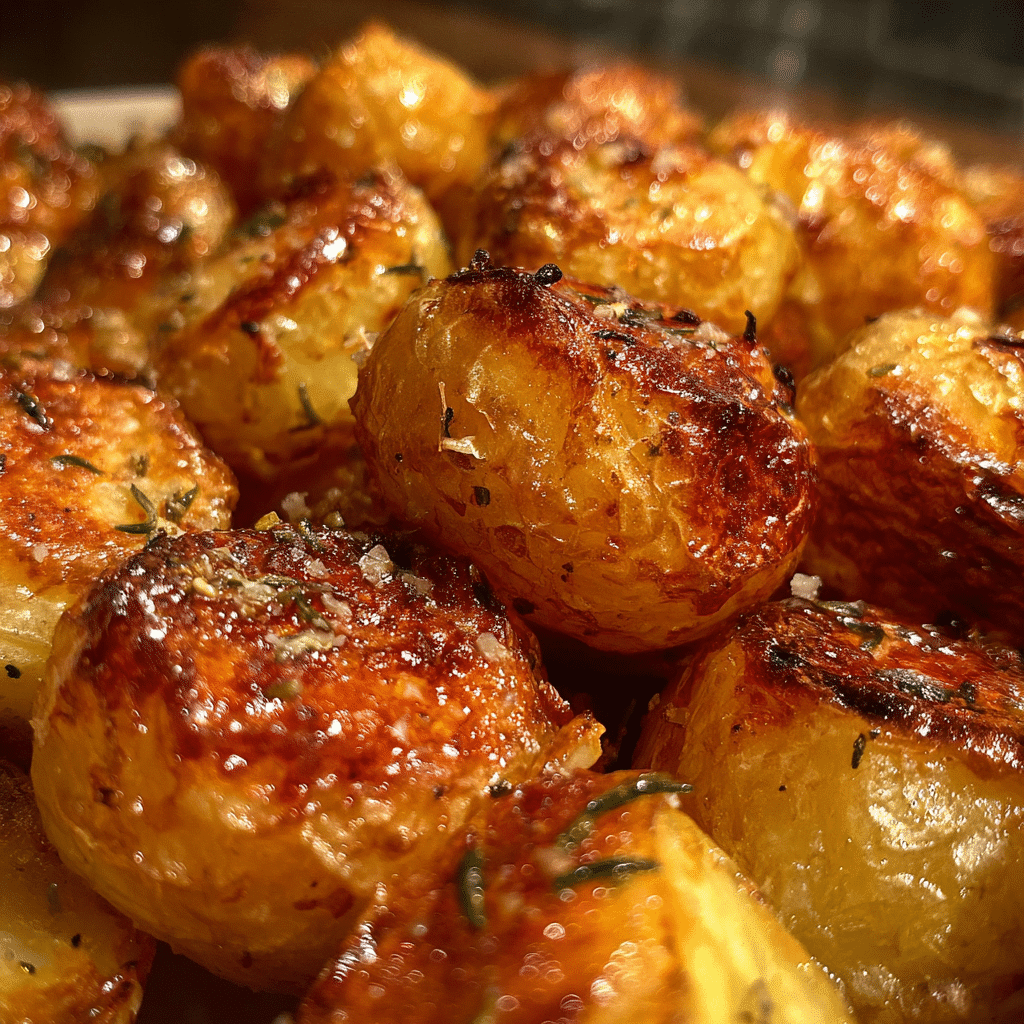
Baby Potatoes are often underestimated tossed in the oven without thought, they emerge bland, soggy, or unevenly cooked. If you’ve ever served potatoes that were mushy on the outside but hard in the center, or spent an hour roasting only to end up with pale, flavorless disappointments, you know the frustration. But here’s the secret: achieving perfectly crispy, golden baby potatoes with fluffy interiors isn’t luck it’s technique.
I’m Simon, and my love for perfect Baby Potatoes started during a family gathering when Jackson Reed, my grill master, challenged me to create a side dish that could steal the show from his perfectly grilled steaks. After dozens of tests (including one memorable disaster where Olivia tried to photograph potatoes that were so pale they looked undercooked, even though they weren’t), we’ve cracked the code on baby potatoes that are restaurant-quality crispy on the outside and impossibly creamy inside.
This recipe promises golden-brown, ultra-crispy exteriors that shatter when you bite into them, revealing fluffy, perfectly seasoned interiors that melt in your mouth. As someone who’s spent years perfecting simple techniques that deliver impressive results, I’ve learned that the secret to exceptional Baby Potatoes isn’t exotic ingredients it’s understanding moisture management, proper seasoning, and optimal oven temperature.
In this comprehensive guide, you’ll discover potato variety selection, the parboiling technique that changes everything, seasoning secrets that create maximum flavor, and troubleshooting tips for common problems. Whether you’re serving a weeknight dinner, hosting a holiday feast, or meal-prepping for the week, let’s create the Baby Potatoes that’ll have everyone asking for your recipe.
Why This Baby Potatoes Recipe Works
These Baby Potatoes combine foolproof technique with simple ingredients to deliver consistently crispy, flavorful results. Here’s what makes them exceptional:
- Uses affordable, easy-to-find potatoes available year-round at any grocery store no specialty varieties required
- Ready in 40 minutes from start to finish, making them perfect for busy weeknights when you need a impressive side fast
- Parboil-then-roast method creates rough edges that crisp beautifully while keeping interiors fluffy and tender
- Naturally vegan and gluten-free accommodating most dietary restrictions without modification
- Incredibly versatile working equally well with garlic-herb, spicy, or globally-inspired seasonings
- Perfect for meal prep staying crispy when reheated properly, making them ideal for batch cooking
- Crowd-pleasing appealing to picky eaters and food enthusiasts alike with their satisfying crunch and comforting flavor
Choosing the Right Baby Potatoes
The foundation of exceptional roasted potatoes starts with selecting the right variety. Not all Baby Potatoes roast equally well.
Best Potato Varieties for This Recipe
Baby Yukon Golds: My top recommendation for roasted Baby Potatoes! Their naturally buttery flavor and creamy texture create the perfect contrast with crispy exteriors. Medium starch content (between waxy and starchy) means they hold their shape while developing fluffy interiors. Golden skin adds beautiful color.
Baby Red Potatoes: Waxy variety with thin, delicate skin that crisps beautifully. Their firm texture holds up perfectly to parboiling and high-heat roasting. Natural sweetness becomes more pronounced when caramelized. Vibrant red color adds visual appeal to any plate.
Fingerling Potatoes: Elongated shape provides more surface area for crisping. Nutty, earthy flavor complements herbs wonderfully. Cut larger fingerlings in half lengthwise for even cooking. Slightly higher price but worth it for special occasions.
Baby White Potatoes: Mild flavor acts as blank canvas for bold seasonings. Creamy texture similar to Yukon Golds. Widely available and budget-friendly. Perfect for when you want seasonings to shine.
Mixed Baby Potatoes: Bags containing multiple varieties (red, gold, purple) create beautiful presentation with varied colors. Different varieties offer slight texture differences that add interest. Great for entertaining.
Buying Tips
- Choose uniform sizes: Select Baby Potatoes that are similar in diameter (1-2 inches) so they cook evenly in the same time
- Look for firm texture: Potatoes should feel solid, not soft or spongy. Avoid any with green spots (indicates solanine, which is bitter)
- Check for blemishes: A few small eyes are fine, but avoid potatoes with cuts, bruises, or sprouting
- Thin skin is ideal: Baby potatoes with thinner skins crisp better than thick-skinned varieties
- Buy in season: While available year-round, spring baby potatoes (new potatoes) are especially sweet and tender
- Ask produce staff about freshness recently harvested potatoes have better flavor and texture than those stored for months
Substitutions
- Regular potatoes cut into chunks: Use standard Yukon Gold or red potatoes cut into 1.5-inch pieces if baby potatoes unavailable
- Sweet potatoes: Can substitute for interesting variation, though cooking time may differ slightly and flavor profile changes significantly
- Purple potatoes: Beautiful color and slightly nuttier flavor; roast identically to other baby potato varieties
- Marble potatoes: Tiny potatoes (smaller than baby) work great but reduce cooking time by 5-8 minutes
Ingredients & Prep for Baby Potatoes
Potato Preparation Essentials
Proper prep is crucial for achieving crispy Baby Potatoes with fluffy interiors:
Washing: Scrub potatoes thoroughly under cold running water using a vegetable brush. Baby potatoes grow close to soil and can harbor dirt in crevices. Don’t skip this step or you’ll taste grit.
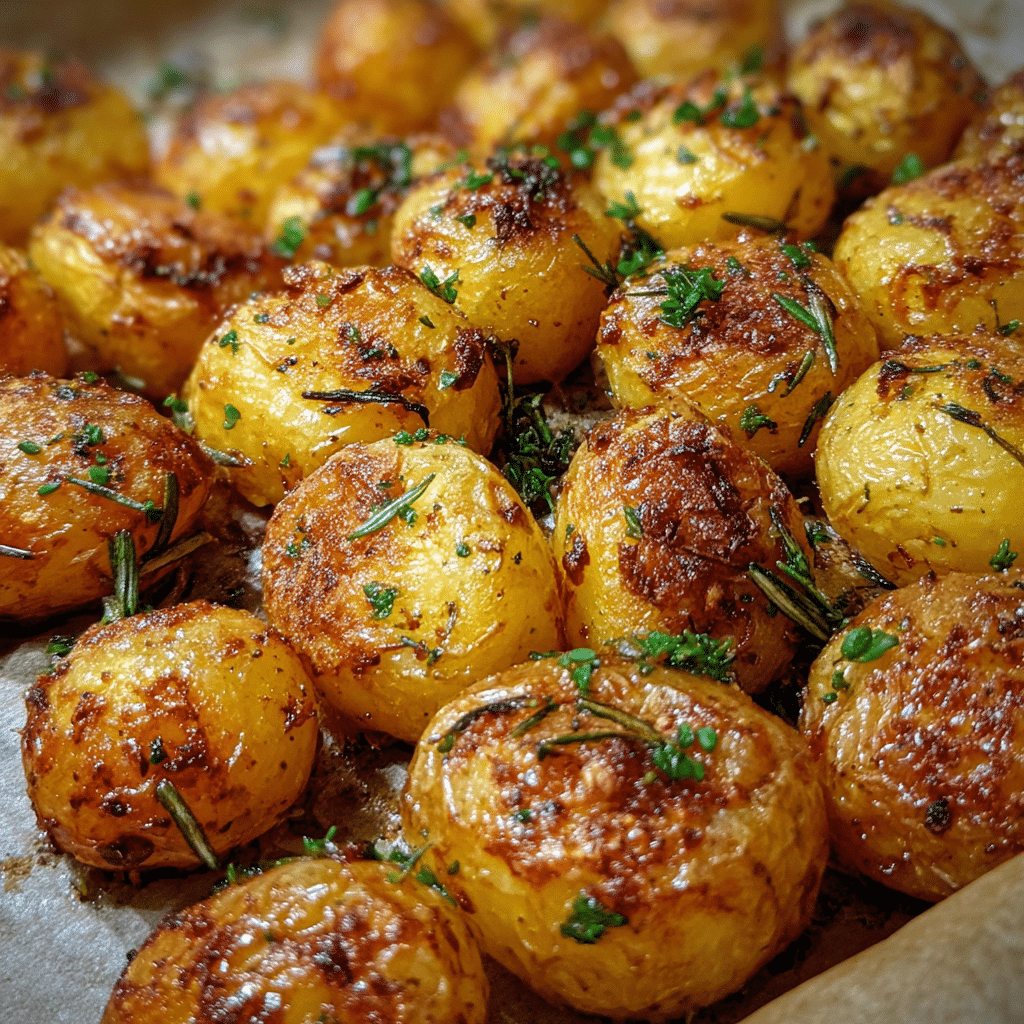
To Peel or Not: DON’T peel baby potatoes! The thin skin becomes incredibly crispy and adds texture, fiber, and nutrients. Plus, it saves time and prevents waste.
Size Uniformity: Cut any larger potatoes in half so all pieces are roughly the same size (1-1.5 inches). This ensures even cooking small pieces finish at the same time as larger ones.
Parboiling: This is the game-changer! Boil potatoes in salted water for 8-10 minutes until just fork-tender. This pre-cooks the interior and roughens the exterior, creating more surface area for crisping.
Drying Thoroughly: After parboiling, drain potatoes in colander and let steam dry for 2-3 minutes. Return to dry pot and shake vigorously this creates the rough, fluffy coating that crisps beautifully.
Essential Ingredients for Baby Potatoes
For Perfect Crispy Roasting:
- 2 pounds baby potatoes (Yukon Gold, red, or mixed)
- 3 tablespoons extra virgin olive oil or avocado oil
- 1 teaspoon kosher salt (or 3/4 tsp table salt)
- 1/2 teaspoon freshly ground black pepper
- 4 garlic cloves, smashed (optional but recommended)
- 2 tablespoons fresh herbs (rosemary, thyme, or parsley)
Garlic-Herb Version:
- 3 tablespoons olive oil
- 4 garlic cloves, minced
- 1 tablespoon fresh rosemary, chopped
- 1 tablespoon fresh thyme leaves
- 1 teaspoon garlic powder
- Zest of 1 lemon
- 2 tablespoons fresh parsley (for garnish)
Spicy Version:
- 3 tablespoons olive oil
- 1 teaspoon smoked paprika
- 1/2 teaspoon cayenne pepper
- 1 teaspoon onion powder
- 1/2 teaspoon cumin
- Pinch of red pepper flakes
Pantry Staples
- High-quality olive oil or avocado oil (high smoke point)
- Kosher salt or sea salt
- Freshly ground black pepper
- Garlic (fresh cloves)
- Fresh herbs (rosemary, thyme, parsley)
- Optional: Parmesan cheese for finishing (omit for dairy-free)
- Optional: Lemon for brightness
Step-by-Step Cooking Instructions for Baby Potatoes
Pre-Cooking Prep for Baby Potatoes
- Preheat oven to 425°F (220°C). Position rack in lower third of oven for maximum heat and crispiness. Line a large rimmed baking sheet with parchment paper or lightly oil it.
- Prepare potatoes: Scrub Baby Potatoes thoroughly under cold water with vegetable brush. Pat completely dry with kitchen towel. Cut any larger potatoes in half so all pieces are uniform size (1-1.5 inches).
- Bring water to boil: Fill large pot with water (enough to cover potatoes by 2 inches). Add 1 tablespoon salt. Bring to rolling boil over high heat.
- Prep seasonings: While water heats, mince garlic, chop fresh herbs, and measure out oil and spices. Having everything ready prevents scrambling later.
- Set up draining station: Place colander in sink. Have the dry pot ready to return potatoes for roughing step.
Cooking Method for Baby Potatoes
Parboiling (8-10 minutes)
- Add Baby Potatoes to boiling salted water. Reduce heat to maintain steady simmer (not rolling boil, which can cause potatoes to break apart).
- Cook for 8-10 minutes until potatoes are just fork-tender a knife should pierce with slight resistance, not slide through effortlessly. Exact timing depends on size; start checking at 7 minutes.
- Drain immediately in colander. DO NOT rinse with cold water—you want them hot for the next crucial step.
- Return drained potatoes to the dry pot (off heat). Let steam for 2 minutes to remove excess moisture.
- Roughing technique: Put lid on pot and shake vigorously for 10-15 seconds. This creates rough, fluffy coating on potato exteriors essential for maximum crispiness. Potatoes should look slightly scuffed and roughed-up.
Seasoning and Roasting (30-35 minutes)
- Transfer roughed potatoes to prepared baking sheet. Drizzle with olive oil, ensuring each potato is well-coated. Toss with hands or spatula.
- Add salt, pepper, and any dry seasonings. Toss again until evenly distributed. Spread potatoes in single layer with space between each (crowding causes steaming instead of crisping).
- Add whole smashed garlic cloves scattered among potatoes. These roast alongside potatoes, becoming sweet and caramelized.
- Place baking sheet in preheated oven on lower rack. Roast for 15 minutes without moving this allows bottoms to develop golden crust.
- After 15 minutes, flip potatoes using spatula. Rotate pan 180 degrees for even browning. Return to oven.
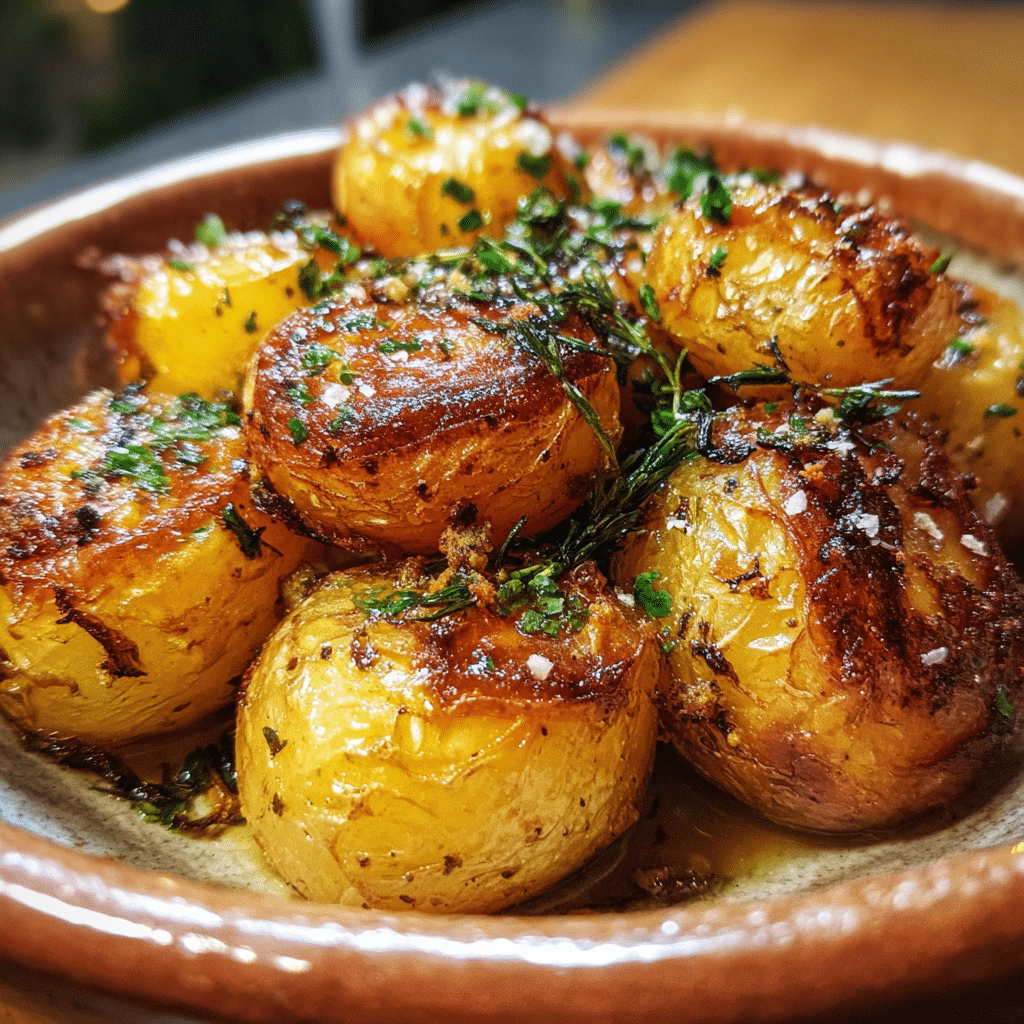
- Continue roasting 15-20 more minutes until Baby Potatoes are deeply golden brown and crispy all over. Total roasting time: 30-35 minutes.
Doneness Check for Baby Potatoes
Your Baby Potatoes are perfectly done when:
- Exteriors are deep golden brown with crispy, crunchy texture
- A fork or knife pierces through with absolutely no resistance
- Edges and corners are extra crispy and slightly darker
- When you tap two potatoes together, they make a hollow, crisp sound
- Interior is fluffy, steamy, and creamy when broken open
If potatoes are browning too quickly but interiors aren’t tender, reduce heat to 400°F and continue roasting. If they’re tender but not crispy enough, increase heat to 450°F for final 5 minutes.
Finishing Your Baby Potatoes
- Remove roasted potatoes from oven. Immediately toss with fresh chopped herbs (rosemary, thyme, parsley) while still hot residual heat releases herb oils and intensifies fragrance.
- Optional finishing touches: Squeeze fresh lemon juice over potatoes, grate Parmesan cheese on top, or drizzle with extra virgin olive oil for richness.
- Taste and adjust seasoning with additional salt if needed. Transfer to serving platter or serve directly from baking sheet for rustic presentation.
- Serve immediately while crispy and hot. Potatoes are best within 15-20 minutes of roasting, though they stay good for hours.
Pro Tips for Perfect Baby Potatoes
Achieving Maximum Crispiness
Don’t Skip Parboiling: This is the single most important step for crispy Baby Potatoes. Raw potatoes roasted directly won’t develop the same texture parboiling pre-cooks the interior and creates that crucial rough coating.
Dry Thoroughly: Moisture is the enemy of crispiness. After parboiling, let potatoes steam-dry for full 2 minutes, then shake vigorously. Any remaining water creates steam in the oven, leading to soggy potatoes.
Use Enough Oil: Don’t be shy with oil you need about 1.5 tablespoons per pound of potatoes. Too little oil means dry, pale potatoes that don’t crisp. Oil conducts heat and promotes browning.
Don’t Crowd the Pan: Space is essential! Potatoes need room for air circulation. Overcrowding creates steam, preventing crisping. Use two baking sheets if necessary rather than cramming everything on one.
High Heat is Key: 425°F is the sweet spot for crispy exteriors without burning. Lower temperatures steam rather than roast. Higher temperatures risk burning before interiors cook through.
Resist Moving Too Soon: Let potatoes roast undisturbed for first 15 minutes to develop that golden crust on the bottom. Flipping too early prevents proper browning.
Tool Recommendations for Baby Potatoes
- Large heavy-duty baking sheet: Thin sheets warp at high heat and cause uneven cooking. Nordic Ware or USA Pan work excellently.
- Vegetable brush: Essential for thoroughly cleaning potatoes without removing nutritious skin
- Large pot (6-quart minimum): Gives potatoes room to move during parboiling
- Metal spatula: Thin metal spatula slides under crispy potatoes without breaking them
- Kitchen towels: For drying parboiled potatoes paper towels work but cloth towels are more absorbent
- Parchment paper: Prevents sticking and makes cleanup effortless (though not essential)
Storage & Reheating
Refrigeration: Store cooked Baby Potatoes in airtight container for up to 5 days. They’ll lose some crispiness but can be re-crisped when reheated properly.
Freezing: Not recommended for roasted potatoes as texture becomes mealy when thawed. If you must freeze, do so before roasting freeze raw parboiled potatoes, then roast from frozen, adding 10 minutes to cooking time.
Reheating for Crispiness: The secret is high heat! Spread cold potatoes on baking sheet, drizzle with tiny bit of oil, and roast at 400°F for 10-15 minutes until crispy again. Microwave reheating makes them soggy—avoid if possible.
Meal Prep Strategy: Parboil and rough potatoes up to 2 days ahead. Store in refrigerator. On serving day, toss with oil and seasonings, then roast as directed. This saves significant time while maintaining quality.
Flavor Variations for Baby Potatoes
Herb and Seasoning Combinations
Classic Garlic-Rosemary: Toss roasted Baby Potatoes with minced fresh garlic, chopped rosemary, and finish with flaky sea salt. The aromatic combination is timelessly delicious and pairs with everything.
Lemon-Herb: After roasting, toss with lemon zest, lemon juice, fresh parsley, and dill. Bright and refreshing, perfect for spring and summer meals or serving with fish.
Parmesan-Garlic: While still hot, toss with grated Parmesan cheese, garlic powder, fresh parsley, and black pepper. The cheese melts slightly, creating savory coating.
Ranch-Style: Mix together garlic powder, onion powder, dried dill, dried parsley, and dried chives. Toss with potatoes before roasting. Tastes like ranch dressing without dairy.
Globally-Inspired Variations
Mediterranean: Toss with olive oil, oregano, lemon juice, and crumbled feta cheese (if not dairy-free). Add kalamata olives and sun-dried tomatoes.
Indian-Spiced: Season with curry powder, cumin, coriander, turmeric, and garam masala before roasting. Finish with fresh cilantro and lime juice.
Mexican-Inspired: Add chili powder, cumin, smoked paprika, and garlic powder. Finish with fresh cilantro, lime juice, and cotija cheese (or omit for dairy-free).
Italian Herb: Use Italian seasoning blend, garlic, and finish with fresh basil and balsamic glaze drizzle.
Dietary Adaptations for Baby Potatoes
Vegan: This recipe is already vegan! Just use oil instead of butter and skip any cheese toppings.
Paleo: Use avocado oil or ghee instead of olive oil. Skip cheese. These Baby Potatoes are naturally Paleo-compliant.
Whole30: Identical to vegan version just ensure oil is compliant (olive, avocado, or coconut oil).
Keto/Low-Carb: While potatoes aren’t typically keto, you can substitute radishes! Roast identically they develop mild, slightly sweet flavor that’s surprisingly potato-like.
Flavor Variations Comparison Table
| Variation | Key Seasonings | Flavor Profile | Best Paired With |
|---|---|---|---|
| Classic Garlic-Herb | Garlic, rosemary, thyme | Savory, aromatic, traditional | Roasted meats, grilled chicken |
| Lemon-Herb | Lemon, parsley, dill | Bright, fresh, tangy | Fish, seafood, spring vegetables |
| Parmesan-Garlic | Parmesan, garlic, parsley | Rich, savory, umami | Italian dishes, pasta, salads |
| Spicy Cajun | Paprika, cayenne, cumin | Bold, spicy, smoky | BBQ, grilled foods, hearty meals |
| Mediterranean | Oregano, feta, olives | Tangy, herbaceous, briny | Greek salads, lamb, grilled vegetables |
| Indian-Spiced | Curry, cumin, turmeric | Warm, complex, exotic | Curries, grilled chicken, dal |
| Mexican | Chili, cumin, lime | Zesty, spicy, citrusy | Tacos, fajitas, grilled meats |
| Ranch-Style | Dill, garlic, onion | Familiar, comforting, herby | Burgers, sandwiches, casual meals |
Serving Suggestions for Baby Potatoes
Your crispy Baby Potatoes are incredibly versatile and pair beautifully with countless main courses:
Protein Pairings: Serve alongside roasted chicken, grilled steak, pan-seared salmon, or roasted turkey. The crispy potatoes provide satisfying contrast to tender proteins. Also excellent with vegetarian mains like lentil loaf or stuffed bell peppers.
Vegetable Sides: Pair with roasted Brussels sprouts, sautéed green beans, grilled asparagus, or fresh garden salad. The hearty potatoes balance lighter vegetable sides perfectly.
Sauce and Dip Options: Serve with garlic aioli, herb yogurt sauce, tahini drizzle, or ketchup for dipping. The crispy exteriors hold up to sauces without getting soggy immediately.
Breakfast Applications: Use leftover Baby Potatoes in breakfast hash with eggs, vegetables, and your choice of protein. Reheat until crispy, then top with fried eggs.
Salad Component: Toss warm or room-temperature roasted potatoes into grain salads, green salads, or pasta salads for added substance and texture.
Holiday Meals: These potatoes shine on holiday tables alongside turkey, beef roasts, or baked fish. Their elegant appearance and crowd-pleasing flavor make them perfect for special occasions.
Casual Dining: Serve as a side for burgers, sandwiches, or simple grilled foods. They’re upscale enough for company yet easy enough for Tuesday night.
FAQs About Baby Potatoes
Can I roast Baby Potatoes without parboiling first? You can, but results won’t be as good. Without parboiling, potatoes take 50-60 minutes to roast through, and exteriors often burn before interiors are tender. Parboiling ensures creamy interiors and creates the rough coating essential for maximum crispiness. It’s worth the extra 10 minutes.
Why are my Baby Potatoes soggy instead of crispy? Common causes: 1) Not drying thoroughly after parboiling, 2) Crowding the pan, 3) Too little oil, 4) Oven temperature too low, or 5) Not roughing the potatoes after parboiling. Address these issues and your next batch will be perfectly crispy.
Can I use frozen Baby Potatoes? Not recommended. Frozen potatoes contain excess moisture that prevents proper crisping and they often have mushy texture. If you must use frozen, thaw completely, pat very dry, skip parboiling, and roast at 450°F for 35-45 minutes.
How do I prevent Baby Potatoes from sticking to the pan? Three solutions: 1) Use parchment paper, 2) Generously oil the baking sheet before adding potatoes, or 3) Use non-stick baking sheet. Also, wait the full 15 minutes before flipping potatoes develop crust that releases naturally when ready.
Can I make these Baby Potatoes ahead for a party? Yes! Parboil and rough potatoes up to 2 days ahead. Store refrigerated. Day of party, toss with oil and seasonings, then roast. For best results, roast potatoes 30-45 minutes before serving they stay relatively crispy at room temperature for about an hour.
What’s the best oil for roasting Baby Potatoes? Olive oil provides wonderful flavor, but any oil with high smoke point works: avocado oil, grapeseed oil, or even melted ghee. Avoid butter alone as it burns at high temperatures, though you can add butter in last 5 minutes for flavor.
My Baby Potatoes are browning too fast but still hard inside. What should I do? Reduce oven temperature to 400°F and tent loosely with aluminum foil to slow browning while interiors continue cooking. This usually happens when oven runs hot or potatoes weren’t parboiled long enough.
Are Baby Potatoes healthier than regular potatoes? Nutritionally, they’re similar to regular potatoes. The advantage is the thin, tender skin you actually eat (rather than peeling), which contains fiber and nutrients. Baby potatoes also tend to have slightly lower glycemic index than very large potatoes.
Can pregnant women eat these Baby Potatoes? Absolutely! Fully cooked potatoes are completely safe during pregnancy and provide important nutrients like potassium, vitamin C, and fiber. Just ensure they’re cooked through and avoid any potatoes with green spots (which indicate solanine).
How many Baby Potatoes should I cook per person? Plan on 6-8 ounces (about 1/2 pound) of potatoes per person as a side dish. This translates to roughly 1 pound per 2 people, or 2 pounds for 4 servings. Adjust based on appetite and what else you’re serving.
Conclusion
There’s something deeply satisfying about perfectly roasted Baby Potatoes the way that crispy, golden exterior gives way to fluffy, creamy insides, the aromatic herbs that perfume your kitchen, the way they disappear from the serving platter faster than anything else on the table. These aren’t just potatoes; they’re proof that simple ingredients treated with proper technique can create something truly special.
Print
Anti Inflammatory Glow Bowl 8 Powerful Ingredients for Radiance
- Total Time: 50 minutes
- Yield: 4 servings 1x
Description
This Anti-Inflammatory Glow Bowl features perfectly roasted rainbow vegetables, protein-rich salmon or chickpeas, creamy avocado, crunchy nuts and seeds, and a golden turmeric-tahini dressing packed with anti-inflammatory compounds. Naturally gluten-free, dairy-free, and loaded with omega-3s, antioxidants, and phytonutrients that support whole-body wellness. Ready in 35 minutes and perfect for meal prep, this vibrant bowl proves anti-inflammatory eating can be absolutely delicious.
Ingredients
2 cups sweet potato, cubed (3/4-inch pieces)
2 cups broccoli florets
1 red bell pepper, sliced
1 cup red cabbage, shredded
1 medium beet, cubed
4 cups baby kale or spinach
2 cups arugula
1.5 pounds wild-caught salmon fillets (or 2 cans chickpeas for vegan)
1 ripe avocado, sliced
1/4 cup raw walnuts, chopped
2 tablespoons hemp hearts
2 tablespoons pumpkin seeds
1/4 cup fresh cilantro, chopped
2 tablespoons fresh parsley, chopped
1 tablespoon fresh mint, chopped (optional)
3 tablespoons avocado oil (divided)
1 teaspoon ground cumin
1/2 teaspoon ground turmeric (for vegetables)
1/2 teaspoon smoked paprika
Sea salt and black pepper to taste
1/4 cup tahini
2 tablespoons fresh lemon juice
1 tablespoon apple cider vinegar
1 teaspoon fresh turmeric, grated (or 1/2 tsp ground)
1 teaspoon fresh ginger, grated
1 garlic clove, minced
1 tablespoon raw honey or maple syrup
1/4 teaspoon black pepper (for dressing)
1/4 teaspoon sea salt (for dressing)
3–4 tablespoons filtered water (to thin dressing)
Pinch of cayenne pepper (optional)
Instructions
1. Preheat oven to 425°F. Line two large baking sheets with parchment paper.
2. Prepare vegetables: Cube sweet potato into 3/4-inch pieces, cut broccoli into florets, slice bell pepper, cube beets, and shred cabbage.
3. Toss sweet potato with 1 tablespoon avocado oil, 1/2 tsp cumin, 1/4 tsp turmeric, salt, and pepper. Spread on one baking sheet in single layer.
4. On second sheet, arrange broccoli, bell pepper, and beets. Toss with 1 tablespoon oil, salt, pepper, and smoked paprika.
5. Roast sweet potatoes 25-30 minutes, flipping halfway, until golden and crispy. Roast other vegetables 20-25 minutes until tender with caramelized edges.
6. If using salmon: Pat dry, season with salt, pepper, and turmeric. Place skin-side down on parchment-lined sheet. Roast at 425°F for 12-15 minutes until flesh flakes easily at 145°F.
7. If using chickpeas: Drain, rinse, and pat completely dry. Toss with 1 tbsp oil, 1/2 tsp turmeric, 1/2 tsp cumin, paprika, salt, and pepper. Roast 25-30 minutes, shaking pan every 10 minutes, until crispy.
8. Make dressing: Whisk together tahini, lemon juice, vinegar, grated turmeric, grated ginger, minced garlic, honey, 1/4 tsp black pepper, and 1/4 tsp salt. Add water gradually until pourable but thick. Taste and adjust.
9. Massage greens: Place kale in large bowl with 1 tsp olive oil and pinch of salt. Massage 2-3 minutes until softened. Mix with arugula.
10. Build bowls: Divide massaged greens among 4 bowls. Arrange roasted vegetables in colorful sections—sweet potatoes, broccoli, beets, bell peppers, cabbage.
11. Add protein: Top each bowl with 4 ounces salmon or 1 cup crispy chickpeas.
12. Add toppings: Place avocado slices on bowls. Sprinkle with walnuts, hemp hearts, and pumpkin seeds.
13. Garnish with fresh cilantro, parsley, and mint.
14. Drizzle each bowl generously with 2-3 tablespoons turmeric-tahini dressing. Serve extra dressing on side.
Notes
Black pepper increases turmeric absorption by 2000%—always pair these ingredients for maximum anti-inflammatory benefit.
Don’t overcook vegetables—vibrant colors indicate preserved nutrients and antioxidants.
Healthy fats (avocado, nuts, oil-based dressing) are essential for absorbing fat-soluble vitamins, not optional.
Fresh turmeric has more bioavailable curcumin than powder—look for it near ginger in produce section. Wear gloves when grating to avoid staining.
For meal prep, store all components separately in airtight containers: vegetables 5 days, protein 4 days, dressing 7 days, greens 3-4 days.
Chickpeas must be completely dry before roasting for crispy results—pat thoroughly with towels.
Dressing separates naturally—shake jar vigorously before using. Add water if too thick after refrigeration.
This bowl is delicious warm, room temperature, or chilled—experiment to find your preference.
Rotate proteins throughout the week for nutritional diversity: salmon, chicken, tempeh, chickpeas.
For vegan version, use chickpeas or tempeh and swap honey for maple syrup in dressing.
Frozen vegetables work great—roast straight from frozen, adding 5-10 minutes to cooking time.
- Prep Time: 20 minutes
- Cook Time: 30 minutes
- Category: Main Course, Bowl, Healthy
- Method: Roasting
- Cuisine: American, Fusion, Health Food
Nutrition
- Serving Size: 1 bowl (approximately 3 cups with toppings)
- Calories: 520
- Sugar: 12g
- Sodium: 380mg
- Fat: 28g
- Saturated Fat: 4g
- Unsaturated Fat: 22g
- Trans Fat: 0g
- Carbohydrates: 42g
- Fiber: 11g
- Protein: 32g
- Cholesterol: 65mg
Keywords: anti-inflammatory bowl, glow bowl, buddha bowl, healthy bowl recipe, turmeric bowl, omega-3 bowl, meal prep bowl