
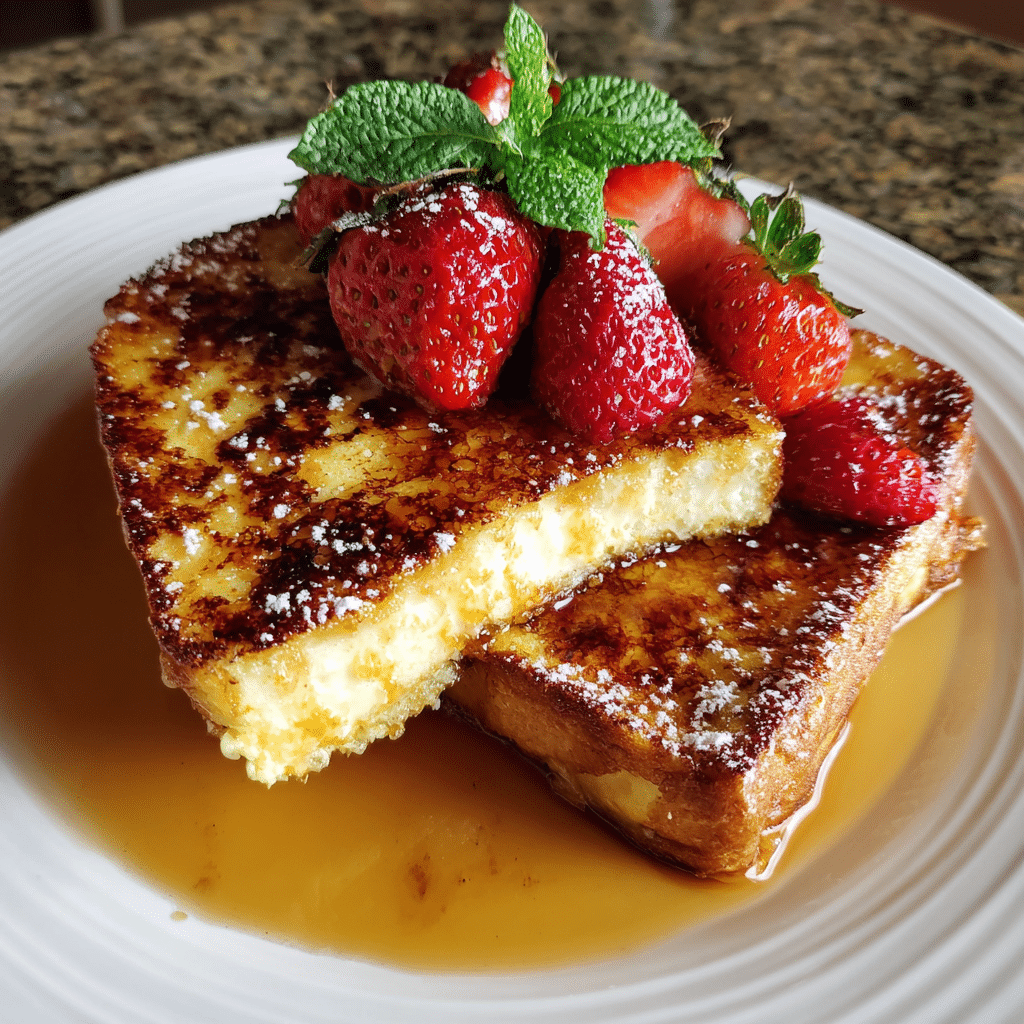
Are you tired of soggy, bland French toast that falls apart on your spatula and disappoints everyone at the breakfast table? Crème Brûlée French Toast changes everything imagine thick slices of brioche soaked overnight in a rich custard, baked until golden with a caramelized sugar crust that cracks like glass under your fork, revealing creamy, custardy perfection beneath. This isn’t just breakfast; it’s a celebration on a plate that makes weekend mornings feel like a luxury hotel brunch.
I’ll never forget the Sunday morning Megan Carter surprised us all with what she called “the breakfast that changed my life.” She’d been experimenting with overnight breakfast casseroles, and when she pulled this Crème Brûlée French Toast from the oven with its crackling caramelized top, the entire kitchen fell silent. The first bite was revelatory creamy custard, slightly crispy edges, and that signature burnt sugar crunch. Even Jackson, who usually starts his day with coffee and nothing else, ate two servings and immediately asked when we could make it again. Olivia couldn’t photograph it fast enough because we kept sneaking bites while she tried to get the perfect shot.
As someone who’s dedicated years to creating recipes that transform ordinary ingredients into extraordinary experiences, I can tell you that Crème Brûlée French Toast represents everything I love about cooking: it looks impressive but uses simple techniques, it’s prepared the night before so mornings are stress-free, and it delivers that “wow” moment when you crack through the caramelized sugar topping. The secret lies in choosing the right bread, creating the perfect custard ratio, and mastering the caramelization technique that gives this dish its signature crunch.
In this comprehensive guide, I’ll walk you through everything you need to know: why this recipe works so brilliantly, how to choose the best bread for maximum custard absorption, foolproof overnight soaking techniques, perfect baking and caramelizing methods, pro tips from countless Sunday brunches, creative flavor variations for every season, and answers to all your questions about making restaurant-quality French toast at home. Whether you’re hosting a holiday brunch or treating your family to something special, you’re about to master the most impressive breakfast dish in your repertoire.
Why This Crème Brûlée French Toast Recipe Works
This Crème Brûlée French Toast has become our most requested brunch recipe, and once you taste it, you’ll understand why it earns that distinction:
- Make-ahead convenience: Prepare everything the night before, then simply bake and caramelize in the morning—no rushing around while guests wait
- Serves a crowd effortlessly: One casserole dish feeds 6-8 people, making it perfect for family gatherings, holiday brunches, or weekend entertaining
- Foolproof custard ratio: The overnight soak ensures every bite is perfectly custardy without any eggy taste or soggy texture
- Restaurant-quality presentation: The caramelized sugar topping creates that dramatic crackle that makes everyone reach for their phones to photograph it
- Incredibly versatile base: This recipe adapts beautifully to seasonal flavors, dietary preferences, and whatever occasion you’re celebrating
- Kid-approved indulgence: The sweet, creamy flavor and fun “crack the top” element makes this a breakfast that children actually get excited about
The magic of Crème Brûlée French Toast lies in understanding how the overnight soak transforms ordinary bread into something extraordinary. The custard penetrates every air pocket, the bread’s structure remains intact while becoming tender, and the extended soaking time allows flavors to meld completely. When baked, the eggs set into silky custard while the top develops a slight crust. The final caramelization step inspired by classic crème brûlée adds textural contrast and sophisticated sweetness that elevates this from simple French toast to something truly special.
Choosing the Right Bread for Crème Brûlée French Toast
The foundation of perfect French toast starts with selecting the right bread, and this choice dramatically impacts your final texture and flavor.
Best Bread for This Recipe
Brioche is the gold standard for Crème Brûlée French Toast. This enriched bread contains butter and eggs, creating a tender crumb with slight sweetness that complements the custard beautifully. Its sturdy structure holds up to overnight soaking without disintegrating, and it bakes into the most luxurious, custardy texture imaginable. Look for day-old brioche—slightly stale bread absorbs more custard than fresh.
Challah runs a close second and works wonderfully if brioche isn’t available. This Jewish egg bread has a similar rich texture and excellent absorption properties. Its braided structure creates beautiful visual appeal when sliced thick, and it holds custard exceptionally well.
French bread or baguette works in a pinch, especially if you choose a soft-crusted artisan loaf. The texture will be slightly less rich than brioche, but properly soaked French bread still creates delicious results. Cut it into 1.5-inch thick slices to ensure adequate structure.
Buying Tips
When shopping for bread, look for unsliced loaves so you can cut your own thick slices—1 to 1.5 inches is ideal for Crème Brûlée French Toast. Pre-sliced sandwich bread is too thin and will become mushy. At bakeries, ask for day-old bread, which is often discounted and actually preferable for this recipe.
Fresh brioche is expensive, but day-old brioche from bakery discount racks works perfectly and costs half as much. Trader Joe’s sells affordable brioche loaves, as does Costco in larger quantities if you’re feeding a crowd. Some grocery stores keep brioche in the bakery section rather than with regular bread, so ask if you don’t see it.
Check the ingredient list good brioche should contain butter, eggs, flour, sugar, and yeast. Avoid “brioche-style” breads that use vegetable oils instead of butter; they won’t deliver the same rich flavor or texture.
Substitutions
While enriched breads work best, you can adapt Crème Brûlée French Toast with alternatives: Texas toast (thick-sliced white bread) absorbs custard well but lacks the richness of brioche. Croissants create an incredibly decadent variation tear them into chunks and proceed with the recipe. Portuguese sweet bread (similar to Hawaiian bread) offers sweetness and soft texture that works beautifully.
For dietary restrictions, gluten-free brioche-style bread exists (Canyon Bakehouse makes a good version), though the texture will be slightly different. Ensure it’s thick-sliced and day-old for best results. There’s no successful egg-free version since eggs are essential to the custard structure.
Ingredients & Prep for Crème Brûlée French Toast
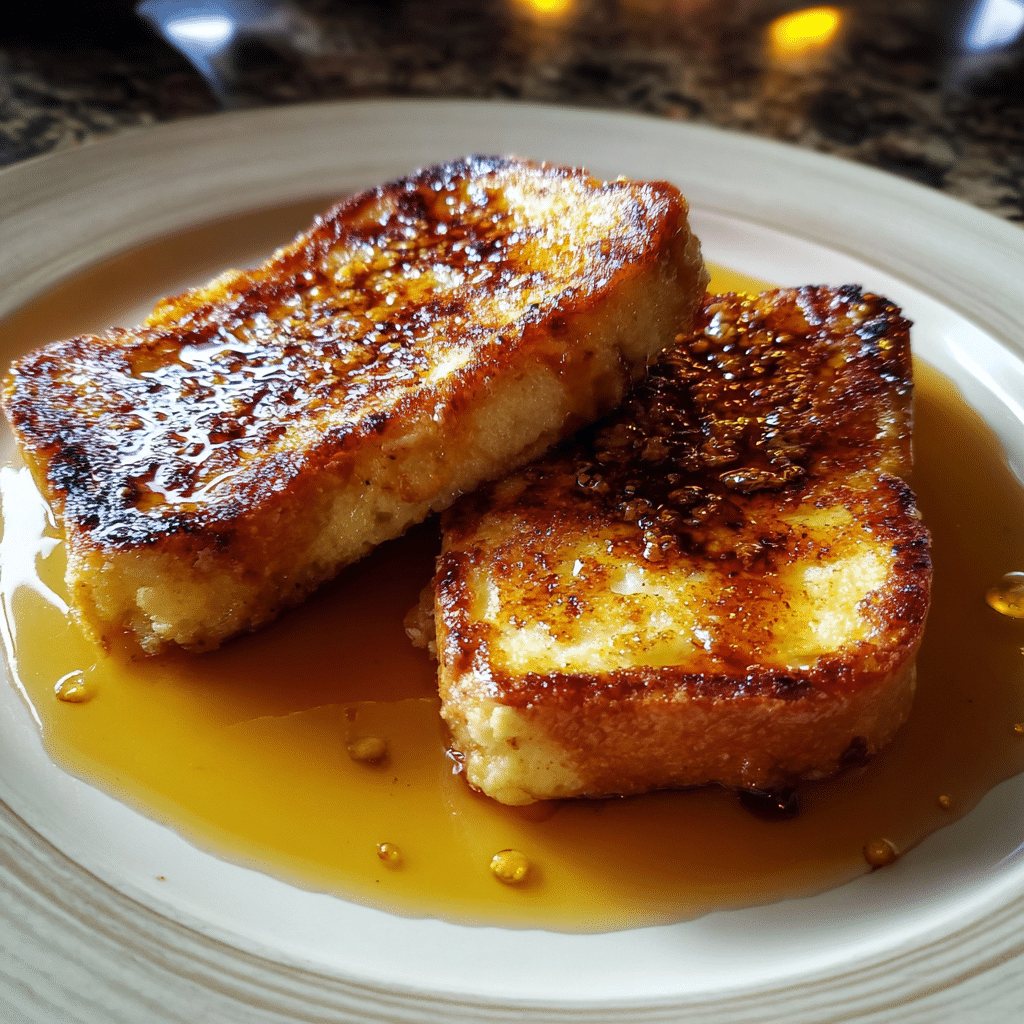
Bread Prep Essentials
Perfect Crème Brûlée French Toast starts with proper bread preparation. Cut your brioche into 1 to 1.5-inch thick slices uniform thickness ensures even soaking and baking. If your loaf is unsliced, use a serrated knife and measure carefully. You’ll need about 8-10 thick slices to fill a 9×13-inch baking dish.
If your bread is fresh (soft and springy), leave slices uncovered on the counter for 4-6 hours or overnight to dry out slightly. Slightly stale bread absorbs more custard without falling apart. In a hurry? Place bread slices on a baking sheet in a 250°F oven for 15-20 minutes to dry them out artificially.
Generously butter your baking dish don’t skimp on this step. Megan learned the hard way that insufficiently greased dishes lead to stuck, broken French toast that looks messy when serving. Use softened butter and coat every inch of the dish’s bottom and sides.
Custard Ingredients List
For the French Toast:
- 1 loaf brioche or challah (about 1 pound), cut into 1-inch thick slices
- 8 large eggs
- 2 cups whole milk
- 1 cup heavy cream
- ¾ cup granulated sugar
- 2 tablespoons vanilla extract
- 1 teaspoon ground cinnamon
- ¼ teaspoon ground nutmeg
- ¼ teaspoon salt
- 3 tablespoons unsalted butter (for greasing dish)
For the Caramelized Topping:
- ½ cup light brown sugar, packed
- ¼ cup granulated sugar
- 2 tablespoons unsalted butter, melted
For Serving:
- Fresh berries (strawberries, blueberries, raspberries)
- Maple syrup
- Powdered sugar for dusting
- Whipped cream (optional)
Pantry Staples
Beyond the main ingredients, ensure you have these essentials: real vanilla extract (not imitation the flavor difference is dramatic), fresh eggs (check the date; old eggs can smell sulfurous), and whole milk or heavy cream. Don’t substitute with low-fat dairy; the richness is essential to authentic Crème Brûlée French Toast texture.
For the caramelized topping, light brown sugar creates the best texture and flavor—the molasses adds complexity and helps with caramelization. White sugar works but lacks depth. Keep unsalted butter on hand so you control the salt level throughout the recipe.
Step-by-Step Cooking Instructions for Crème Brûlée French Toast
Overnight Prep for Crème Brûlée French Toast
The night before serving, generously butter a 9×13-inch baking dish. Arrange your brioche slices in the dish, overlapping them slightly in a shingled pattern they should fit snugly but not be crammed in. The overlapping creates beautiful presentation and ensures even custard distribution.
In a large bowl, whisk together eggs, whole milk, heavy cream, granulated sugar, vanilla extract, cinnamon, nutmeg, and salt. Whisk vigorously for 2-3 minutes until the mixture is completely smooth and the sugar has dissolved. The custard should be pale yellow and slightly frothy.
Pour the custard mixture evenly over the bread slices, making sure to cover every piece. Use a spatula to press down gently on the bread, encouraging it to absorb the custard. Some bread will want to float that’s fine initially.
Cover the dish tightly with plastic wrap or aluminum foil and refrigerate overnight (at least 8 hours, up to 24 hours). During this time, the bread will absorb the custard, transforming into that signature custardy texture. Press down on the bread once or twice during soaking if you think about it, but it’s not essential.
Baking Method for Crème Brûlée French Toast
The next morning, remove the Crème Brûlée French Toast from the refrigerator and let it sit at room temperature for 30 minutes while your oven preheats to 350°F (175°C). This prevents thermal shock and ensures even baking.
Remove the cover and press down on the bread one final time to ensure maximum custard absorption. The bread should be completely saturated, looking swollen and custardy rather than dry and bread-like.
Place the baking dish on the middle oven rack and bake for 45-55 minutes, until the custard is set and the top is golden brown. The French toast should puff up slightly and look set in the center not jiggly. Insert a knife in the center; it should come out mostly clean with just a few moist crumbs.
If the top browns too quickly before the center sets, tent loosely with aluminum foil for the remaining baking time. Every oven varies, so start checking at 45 minutes.
Caramelizing for Crème Brûlée French Toast
Once baked, remove from the oven and increase oven temperature to broil (or preheat your kitchen torch if you have one). In a small bowl, mix together brown sugar, granulated sugar, and melted butter until it forms a thick paste.
Spread this sugar mixture evenly over the top of the baked French toast, covering the entire surface. You want an even layer about ¼ inch thick not so thin it won’t caramelize, not so thick it won’t melt through.
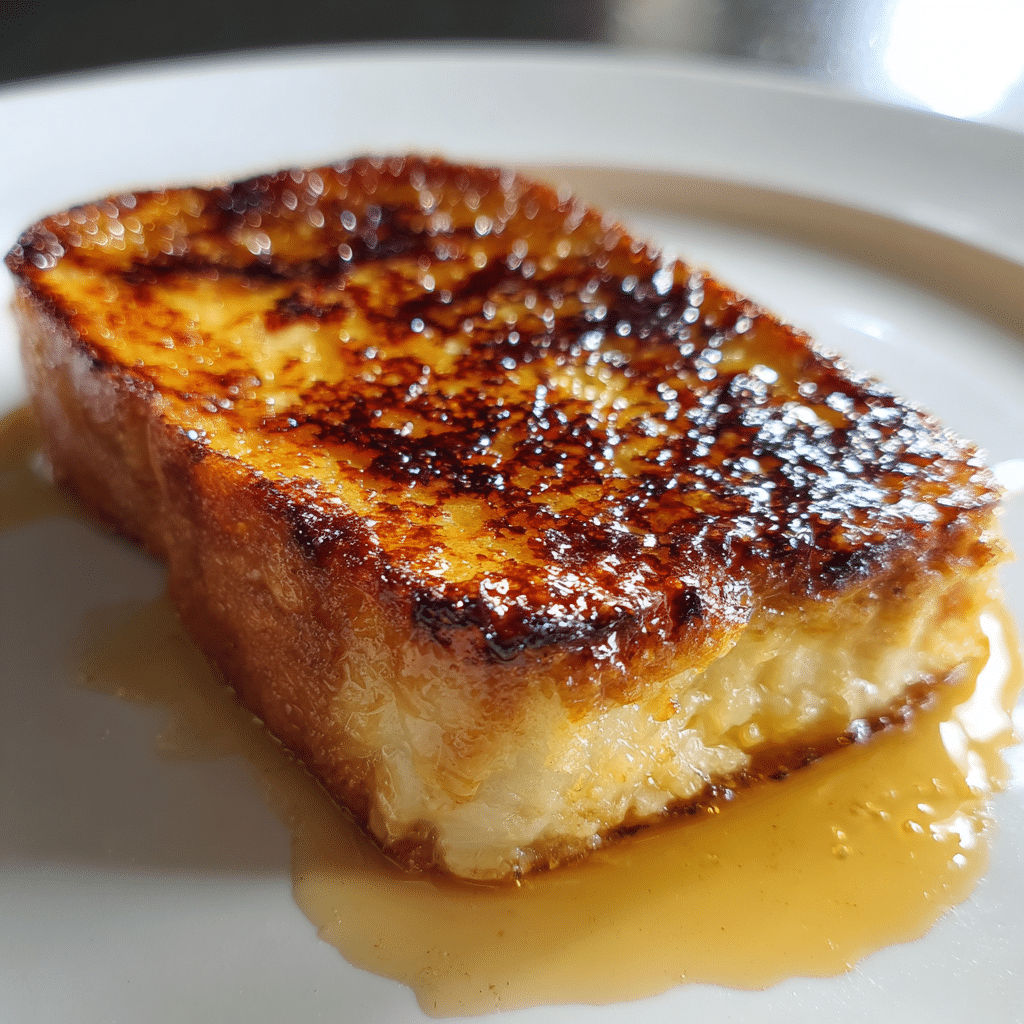
Place the dish under the broiler, watching constantly (seriously, don’t walk away), for 2-4 minutes until the sugar melts, bubbles, and caramelizes to a deep golden brown. Alternatively, use a kitchen torch to caramelize the sugar in sections, which gives you more control and creates a more authentic crème brûlée appearance.
The sugar should bubble and darken but not burn. Remove immediately when it reaches deep amber color. Let cool for 2-3 minutes the sugar will harden into that signature crackling crust.
Doneness Check for Crème Brûlée French Toast
Your Crème Brûlée French Toast is perfectly done when the custard no longer jiggles when you gently shake the dish, the top is golden brown, and a knife inserted in the center comes out mostly clean. The internal temperature should reach 165°F if you want to be precise with a thermometer.
Under-baked French toast will have pools of liquid custard that haven’t set—if you see this, continue baking in 5-minute increments. Over-baked French toast becomes rubbery and dry, losing that creamy custard texture. Watch carefully during the final 10 minutes of baking.
The caramelized topping should be deep amber with some darker spots but no black, burnt areas. It should harden to a thin, glass-like crust within 2-3 minutes of cooling.
Serving Crème Brûlée French Toast
Let the Crème Brûlée French Toast rest for 5 minutes after caramelizing before cutting and serving. This allows the custard to set slightly and makes serving easier. Cut into squares using a sharp knife or metal spatula, and use a large spatula to lift portions onto plates.
The presentation is everything with this dish Olivia always says the first bite is with the eyes. Each serving should show the golden, crackling top and the creamy custard beneath. Dust with powdered sugar, add fresh berries, and serve with warm maple syrup on the side. Some people love to crack through the caramelized top with their fork before eating—encourage this, as it’s part of the fun!
Pro Tips for Perfect Crème Brûlée French Toast
Avoiding Soggy or Dry Results for Crème Brûlée French Toast
The most common mistake with Crème Brûlée French Toast is using fresh bread that’s too soft. Day-old or slightly stale bread absorbs custard without disintegrating. Fresh bread can become mushy and fall apart during the overnight soak.
Don’t skimp on the soaking time at least 8 hours is essential. The bread needs time to fully absorb the custard. However, don’t soak longer than 24 hours, as the bread can break down too much and become grainy in texture.
Avoid opening the oven door frequently during baking, as temperature fluctuations cause uneven cooking. The custard needs steady heat to set properly. And never skip the room temperature rest before baking—cold French toast going into a hot oven bakes unevenly.
Tool Recommendations for Crème Brûlée French Toast
A quality 9×13-inch glass or ceramic baking dish works best for even heat distribution. Glass allows you to see the bottom and sides, checking for doneness. Avoid metal pans for this recipe, as they heat too quickly and can cause over-browning.
A kitchen torch gives you the most control over caramelization and creates the most authentic crème brûlée effect. They’re inexpensive ($15-30) and useful for many recipes. If using your broiler, watch constantly the line between perfect caramelization and burnt sugar is about 30 seconds.
An instant-read thermometer takes the guesswork out of doneness. Jackson insists on checking that the center reaches 165°F because nobody wants undercooked eggs. It’s a small investment that prevents both undercooking and overcooking.
Storage & Reheating
Store leftover Crème Brûlée French Toast covered in the refrigerator for up to 3 days. The caramelized topping will soften slightly but the flavor remains excellent. To reheat, place portions on a baking sheet in a 350°F oven for 10-15 minutes until warmed through. You can re-caramelize the top with a torch if desired.
For make-ahead preparation, assemble the dish with bread and custard up to 24 hours ahead, but wait to caramelize until just before serving. The caramelized sugar topping doesn’t hold well overnight it absorbs moisture and becomes soft rather than crackling.
This recipe doesn’t freeze well after baking the texture becomes watery when thawed. However, you can freeze the unbaked, custard soaked bread in the baking dish (wrapped very tightly) for up to 1 month. Thaw overnight in the refrigerator, bring to room temperature, then bake as directed.
Flavor Variations for Crème Brûlée French Toast
Berry Cream Cheese Swirl
Elevate your Crème Brûlée French Toast by dotting softened cream cheese between bread layers before adding custard. After baking, top with fresh mixed berries tossed with a tablespoon of sugar. The cream cheese creates pockets of tangy richness that contrast beautifully with sweet custard. This is Megan’s signature variation for spring brunches.
Maple Pecan Version
Add ½ cup chopped toasted pecans to the custard mixture and substitute 2 tablespoons of maple syrup for 2 tablespoons of the sugar. Top the baked French toast with additional pecans before caramelizing. The nutty, maple flavor profile creates an autumn-inspired variation that’s perfect for Thanksgiving morning or fall gatherings.
Orange Cardamom
Add the zest of 2 oranges and ½ teaspoon ground cardamom to your custard. This aromatic variation transforms Crème Brûlée French Toast into something exotic and sophisticated. Serve with orange segments and a drizzle of honey instead of maple syrup. The cardamom adds warmth without overwhelming the delicate flavors.
Flavor Variations Comparison Table
| Variation | Key Additions | Flavor Profile | Best For | Topping Suggestion |
|---|---|---|---|---|
| Classic | None | Rich, vanilla, caramelized | Traditional brunches | Fresh berries, maple syrup |
| Berry Cream Cheese | Cream cheese, mixed berries | Tangy, fruity, creamy | Spring celebrations | Berry compote |
| Maple Pecan | Pecans, maple syrup | Nutty, autumn spice | Fall/Thanksgiving | Extra pecans, maple syrup |
| Orange Cardamom | Orange zest, cardamom | Bright, aromatic, exotic | Sophisticated gatherings | Orange segments, honey |
| Chocolate Hazelnut | Chocolate chips, hazelnut spread | Decadent, dessert-like | Special occasions | Chopped hazelnuts, chocolate sauce |
| Lemon Blueberry | Lemon zest, blueberries | Fresh, bright, summery | Summer brunches | Lemon curd, blueberries |
Serving Suggestions for Crème Brûlée French Toast
This Crème Brûlée French Toast is substantial enough to be the star of your brunch spread, but pairing it thoughtfully creates a complete meal experience. Serve with crispy breakfast sausage or turkey sausage on the side the savory element balances the sweet French toast beautifully. Fresh fruit salad adds brightness and helps cut through the richness.
For beverages, offer a variety: freshly squeezed orange juice, strong coffee (the slight bitterness complements the sweet caramelized top), and mimosas for celebratory brunches (though you can skip these if preferred). Hot tea particularly Earl Grey or English Breakfast pairs wonderfully with the vanilla and cinnamon notes.
Create a toppings bar for interactive serving: bowls of fresh berries, warm maple syrup, whipped cream, toasted nuts, and berry compote. Let guests customize their plates this is especially fun for family gatherings where everyone has different preferences.
For elegant presentation, cut the Crème Brûlée French Toast into neat squares and place on white plates. Dust with powdered sugar using a fine-mesh sieve, add a few fresh berries artfully arranged, and serve with syrup in small pitchers rather than bottles. Olivia swears that thoughtful plating makes food taste better, and with this showstopper dish, presentation absolutely matters.
If hosting a larger crowd, consider making two dishes with different variations—one classic and one flavored. This creates visual interest on your buffet table and ensures there’s something for every palate.
FAQs About Crème Brûlée French Toast
Can I make this the same day instead of overnight?
While overnight soaking creates the best texture, you can prepare Crème Brûlée French Toast the same day if necessary. Let the bread soak for at least 2 hours (4 hours is better) at room temperature, pressing down occasionally to encourage absorption. The texture won’t be quite as custardy but will still be delicious. Never soak for less than 2 hours or you’ll have dry bread spots.
Why is my French toast soggy in the middle?
Sogginess usually results from insufficient baking time or too much custard relative to bread. Make sure your bread slices are thick enough (1-1.5 inches) to absorb liquid without falling apart. Bake until the center is completely set and no longer jiggly. If using very soft, fresh bread, it may absorb too much liquid use slightly stale bread instead.
Can I use skim milk or non-dairy milk?
You can, but the texture and flavor will suffer significantly. The richness from whole milk and heavy cream creates that signature custardy texture and luxurious mouthfeel. Non-dairy alternatives like oat milk or coconut milk work better than almond milk (which is too thin), but expect different results. For best dairy-free version, use full-fat coconut milk.
Is Crème Brûlée French Toast safe for pregnant women?
Yes, when properly cooked. The eggs must reach 165°F internal temperature, which is achieved during the 45-55 minute baking time. Always use pasteurized eggs and dairy products (standard in the US). The fully baked custard is completely safe during pregnancy. Ensure there are no liquid, runny portions remaining before serving.
Can I caramelize the top without a torch or broiler?
It’s challenging but possible. You can make a simple caramel separately by melting sugar in a saucepan with a little water, then carefully pouring it over the baked French toast. However, this doesn’t create the same thin, crackly crust as torching or broiling. A kitchen torch costs $15-30 and is worth the investment if you plan to make this regularly.
How do I prevent the bottom from burning?
Place your baking dish on a baking sheet during cooking for extra insulation. Check the bottom by lifting a corner with a spatula at the 40-minute mark if it’s browning too quickly, lower your oven temperature to 325°F for the remaining baking time. Glass dishes heat more gently than metal, which helps prevent bottom burning.
Conclusion
This Crème Brûlée French Toast represents everything I believe special occasion breakfasts should be impressive enough to wow your guests, delicious enough to earn repeat requests, yet simple enough that you can actually enjoy the morning instead of stressing in the kitchen. The overnight preparation means you wake up to an almost-finished dish, and that caramelized sugar topping transforms simple French toast into an unforgettable experience.
If you found this recipe helpful, we encourage you to share it with your network or save it for future use.
We’d be delighted to see your unique creations feel free to share your photos with us pinterest
Print
Crème Brûlée French Toast 9 Secrets to Spectacular Brunch Perfection
- Total Time: 550
- Yield: 8 servings 1x
- Diet: Vegetarian
Description
This Overnight Crème Brûlée French Toast is the ultimate make-ahead brunch showstopper! Thick slices of brioche soak overnight in rich vanilla custard, then bake until golden and custardy. The crowning glory is a caramelized sugar topping that cracks like glass—just like classic crème brûlée. Perfect for holidays, special occasions, or weekend entertaining when you want impressive results without morning stress!
Ingredients
FOR THE FRENCH TOAST:
1 loaf brioche or challah (about 1 pound), cut into 1-inch thick slices
8 large eggs
2 cups whole milk
1 cup heavy cream
¾ cup granulated sugar
2 tablespoons vanilla extract
1 teaspoon ground cinnamon
¼ teaspoon ground nutmeg
¼ teaspoon salt
3 tablespoons unsalted butter (for greasing dish)
FOR THE CARAMELIZED TOPPING:
½ cup light brown sugar, packed
¼ cup granulated sugar
2 tablespoons unsalted butter, melted
FOR SERVING:
Fresh berries (strawberries, blueberries, raspberries)
Maple syrup
Powdered sugar for dusting
Whipped cream (optional)
Instructions
1. The night before serving, generously butter a 9×13-inch baking dish.
2. Arrange brioche slices in the dish, overlapping them slightly in a shingled pattern. They should fit snugly but not be crammed.
3. In a large bowl, whisk together eggs, whole milk, heavy cream, granulated sugar, vanilla extract, cinnamon, nutmeg, and salt for 2-3 minutes until completely smooth and sugar is dissolved.
4. Pour custard mixture evenly over bread slices, making sure every piece is covered. Use a spatula to press down gently on bread to encourage absorption.
5. Cover dish tightly with plastic wrap or aluminum foil and refrigerate overnight (at least 8 hours, up to 24 hours). Press down on bread once or twice during soaking if possible.
6. The next morning, remove from refrigerator and let sit at room temperature for 30 minutes. Preheat oven to 350°F (175°C).
7. Remove cover and press down on bread one final time. Bread should be completely saturated and custardy.
8. Bake on middle oven rack for 45-55 minutes, until custard is set and top is golden brown. Insert a knife in center—it should come out mostly clean. If top browns too quickly, tent with foil.
9. Remove from oven when done and increase oven temperature to broil (or prepare your kitchen torch).
10. In a small bowl, mix together brown sugar, granulated sugar, and melted butter until it forms a thick paste.
11. Spread sugar mixture evenly over top of baked French toast, covering entire surface with a ¼-inch thick layer.
12. Place under broiler for 2-4 minutes, watching constantly, until sugar melts, bubbles, and caramelizes to deep golden brown. Alternatively, use kitchen torch to caramelize sugar in sections.
13. Remove immediately when sugar reaches deep amber color. Let cool for 2-3 minutes until sugar hardens into a crackling crust.
14. Let rest for 5 minutes, then cut into squares and serve immediately with fresh berries, maple syrup, and powdered sugar.
Notes
Day-old or slightly stale bread works best—it absorbs more custard without falling apart. Leave fresh bread uncovered on counter for 4-6 hours to dry out.
Minimum soaking time is 8 hours, maximum is 24 hours. Don’t skip the overnight soak—it’s essential for the custardy texture.
Let dish come to room temperature before baking to ensure even cooking throughout.
Watch the broiler constantly during caramelization—the line between perfect and burnt is about 30 seconds.
Store leftovers covered in refrigerator for up to 3 days. Reheat in 350°F oven for 10-15 minutes.
Assemble up to 24 hours ahead but wait to caramelize until just before serving for best texture.
For dairy-free version, use full-fat coconut milk and dairy-free butter, though texture will differ from traditional version.
Can freeze unbaked, custard-soaked bread tightly wrapped for up to 1 month. Thaw overnight in refrigerator before baking.
- Prep Time: 20
- Cook Time: 50
- Category: Breakfast, Brunch
- Method: Baking, Make-Ahead
- Cuisine: French-American
Nutrition
- Serving Size: 1 piece (1/8 of pan)
- Calories: 485
- Sugar: 38g
- Sodium: 380mg
- Fat: 22g
- Saturated Fat: 13g
- Unsaturated Fat: 7g
- Trans Fat: 0g
- Carbohydrates: 58g
- Fiber: 2g
- Protein: 13g
- Cholesterol: 245mg
Keywords: creme brulee french toast, overnight french toast, make ahead breakfast, french toast casserole, brunch recipe, caramelized french toast