
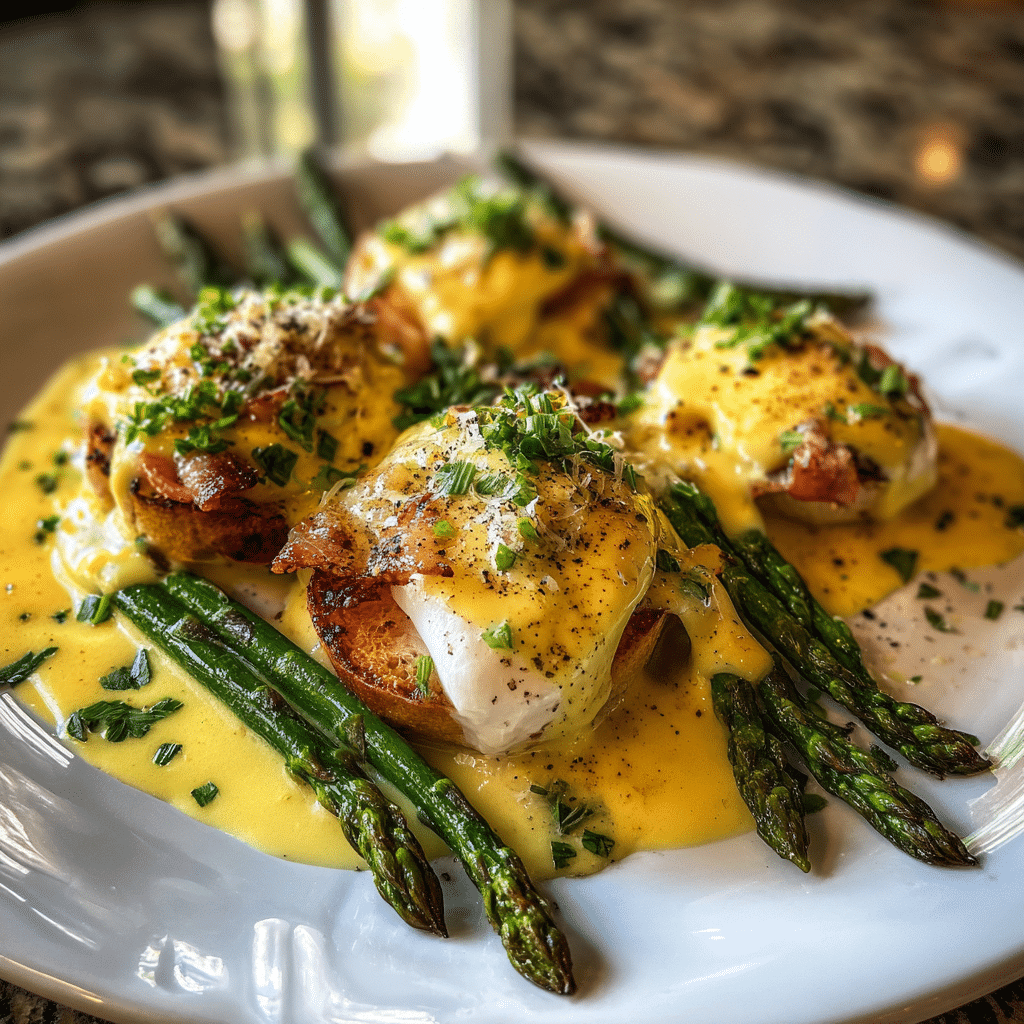
Tired of intimidating French sauces that seem impossible to master at home? This Hollandaise Sauce Recipe demystifies the classic emulsion with foolproof technique that creates silky, buttery, lemony perfection in just 10 minutes. No more broken, separated sauce or complicated double boiler setups just restaurant-quality results that transform ordinary eggs Benedict into an extraordinary brunch.
Hi there, I’m Simon, and I’ll never forget the Mother’s Day brunch that finally cracked the hollandaise code for me. Megan Carter insisted we make eggs Benedict from scratch, including the hollandaise. “It’s not that hard,” she said confidently. I was skeptical I’d broken more hollandaise than I’d successfully made in culinary school. But Megan showed me a blender method that changed everything. Within minutes, we had perfect, glossy Hollandaise Sauce that made everyone at the table go silent with that first bite. Even Jackson Reed, who usually dominates brunch conversation, just kept eating. Olivia Brooks declared it “criminally good” and took about fifty photos before her plate got cold.
What makes this recipe special isn’t just the speed though 10 minutes from start to finish is impressive for a sauce with such a fancy reputation. It’s the reliability. The blender method creates consistent emulsification that’s nearly foolproof, eliminating the fear factor that keeps home cooks ordering out for brunch instead of making it themselves. This Hollandaise Sauce Recipe proves that classic French technique doesn’t require culinary school credentials.
In this comprehensive guide, you’ll discover how to select quality ingredients, master the emulsification process, troubleshoot common problems, and customize this sauce for various applications. Plus, I’ll share our tested tips for making hollandaise ahead and keeping it warm without breaking.
Why This Hollandaise Sauce Recipe Works
This Hollandaise Sauce Recipe delivers French bistro results with modern convenience. Here’s why it belongs in your cooking repertoire:
- Ready in 10 minutes – Faster than waiting for restaurant brunch with better results
- Foolproof blender method – Consistent emulsification eliminates the guesswork and fear
- Restaurant-quality flavor – Rich, buttery, tangy sauce that rivals any fine dining establishment
- Versatile application – Works on eggs, vegetables, fish, and more
- Make-ahead friendly – Stays stable for 1-2 hours with proper temperature maintenance
- Impressive yet accessible – Looks and tastes complicated but actually simple to execute
Choosing the Right Ingredients for Hollandaise Sauce Recipe
Quality ingredients make the difference between good and extraordinary hollandaise. Let me share what matters most.
Best Butter for This Recipe
Unsalted butter gives you complete control over seasoning essential for balanced flavor. The butter should be fresh with no off odors. European-style butter with higher fat content (82-84% vs. standard 80%) creates extra-rich, luxurious sauce, though regular unsalted butter works beautifully.
Clarified butter or ghee creates the most stable hollandaise with cleaner flavor. The milk solids have been removed, reducing the risk of separation. However, regular melted butter works perfectly fine and is what most home cooks use successfully.
Avoid salted butter the salt content varies by brand and can make your sauce too salty. You want to season to taste at the end rather than committing to whatever salt the butter manufacturer chose.
Egg Selection
Fresh, high-quality eggs create the smoothest, most stable emulsion. The yolks should be vibrant yellow orange, indicating nutrient density and better flavor. Organic or pasture-raised eggs typically have superior color and taste, though conventional eggs work perfectly well.
Room temperature egg yolks emulsify more readily than cold ones. If your eggs are refrigerator-cold, place the whole eggs in warm water for 5 minutes before separating.
Buying Tips
Choose fresh lemons over bottled lemon juice the flavor difference is dramatic. Fresh lemon juice adds bright, natural acidity without artificial bitterness. You’ll need about 1-2 tablespoons juice from one medium lemon.
Cayenne pepper adds subtle warmth without obvious spice – don’t skip it even if you don’t like spicy food. Just a pinch enhances without creating heat. White pepper is traditional for visual appeal (no black specks) but black pepper works fine.
Substitutions
Can’t have dairy? This recipe inherently uses butter as the primary ingredient, making dairy-free challenging. Clarified vegan butter works somewhat, though the flavor and stability differ significantly. For egg free, aquafaba (chickpea liquid) can create an emulsion, but it’s not traditional hollandaise.
Lime juice can replace lemon for a different citrus note. Apple cider vinegar (1 tablespoon) creates tangier, more acidic flavor profile used in some variations.
Ingredients & Prep for Hollandaise Sauce Recipe

Hollandaise Essentials
The foundation requires just five ingredients:
- 3 large egg yolks (room temperature)
- 1/2 cup (1 stick) unsalted butter, melted and hot
- 1-2 tablespoons fresh lemon juice
- Pinch of cayenne pepper
- 1/4 teaspoon salt (adjust to taste)
- Optional: 1 tablespoon warm water (for consistency adjustment)
Equipment Needed
Simple tools make the process effortless:
- Blender or immersion blender
- Small saucepan for melting butter
- Measuring cups and spoons
- Lemon juicer or reamer
Pantry Staples
Keep these on hand for consistent results:
- Fresh lemons (never bottled juice)
- Quality unsalted butter
- Fresh eggs
- Cayenne pepper (adds subtle depth)
- Fine sea salt or kosher salt
Step-by-Step Making Instructions for Hollandaise Sauce Recipe

Pre-Making Prep for Hollandaise Sauce Recipe
Bring eggs to room temperature this is crucial for smooth emulsification. Place whole eggs in warm water for 5 minutes if starting from cold. Separate yolks carefully, ensuring no whites contaminate them (whites prevent proper emulsification).
Melt butter in a small saucepan over medium heat until fully liquified and hot but not browned. The butter should be steaming and very warm (about 180-190°F) for proper emulsification. Have all ingredients measured and ready beside the blender this comes together quickly once you start.
Making Method for Hollandaise Sauce Recipe
Step 1 – Blend Egg Yolks: Place room temperature egg yolks, 1 tablespoon lemon juice, cayenne pepper, and salt in the blender. Blend on medium speed for 20-30 seconds until yolks are pale and slightly frothy. This initial blending aerates the yolks and begins the emulsification process.
Step 2 – Add Hot Butter Slowly: With the blender running on medium-low speed, very slowly drizzle the hot melted butter through the opening in the lid (or through the feed tube). Start with just a thin stream – patience here is key. The slow addition allows the yolks to gradually incorporate the butter, creating a stable emulsion.
Step 3 – Continue Until Thick: Keep blending and adding butter in a thin, steady stream. The sauce will begin to thicken noticeably after about half the butter is incorporated. Continue adding butter until all is incorporated and sauce is thick, creamy, and pale yellow.
Step 4 – Adjust Consistency and Seasoning: Blend for 10 more seconds. Taste the sauce – add remaining lemon juice if you want more tanginess, or add 1 tablespoon warm water if sauce is too thick. Adjust salt and cayenne to taste. The sauce should coat the back of a spoon and be pourable but not runny.
Doneness Check for Hollandaise Sauce Recipe
Perfect hollandaise should be thick enough to coat the back of a spoon but still pourable – not stiff like mayonnaise. When you run your finger across the spoon, it should leave a clear trail. The color should be pale yellow, smooth, and glossy with no visible separation.
If sauce seems too thick, blend in warm water 1 teaspoon at a time. If too thin, it may not have been blended long enough or butter wasn’t hot enough.
Holding for Hollandaise Sauce Recipe
Hollandaise is best served immediately but can be held warm for 1-2 hours. Transfer to a small bowl and place over a pot of warm (not simmering) water, stirring occasionally. The water should be about 120-130°F warm to touch but not hot. Cover loosely to prevent skin formation.
Never refrigerate and reheat hollandaise it will separate irreparably. Make it fresh each time or hold it warm using the method above.
Pro Tips for Perfect Hollandaise Sauce Recipe
Avoiding Broken or Separated Hollandaise Sauce Recipe
The most common mistake is adding butter too quickly. Slow, steady drizzling is essential – rushing creates a broken, separated mess. If sauce breaks (appears curdled or separated), you can often rescue it: place 1 egg yolk and 1 teaspoon lemon juice in a clean blender, blend briefly, then slowly add the broken sauce while blending. This re emulsifies everything.
Temperature control matters significantly. Butter must be hot (180-190°F) but not browning. Too-cool butter won’t emulsify properly; burnt butter creates bitter flavor. Room temperature egg yolks incorporate butter better than cold yolks.
Don’t let any egg whites contaminate the yolks whites contain water that interferes with emulsification. Separate carefully over a small bowl, then transfer yolks to the blender.
Tool Recommendations for Hollandaise Sauce Recipe
A regular blender creates the most reliable results with consistent emulsification. An immersion blender works well in a tall, narrow container. A food processor can work but requires more attention to avoid over-processing.
A digital thermometer ensures butter reaches optimal temperature without burning. A citrus reamer extracts maximum juice from lemons. Keep a flexible spatula handy for scraping down the blender sides if needed.
Storage & Reheating for Hollandaise Sauce Recipe
Hollandaise doesn’t store or reheat well once cooled. Use it immediately or hold warm for up to 2 hours maximum. If you absolutely must store leftovers, refrigerate in an airtight container up to 24 hours, but expect textural changes. Don’t attempt to reheat – use cold over salads or vegetables where warm sauce isn’t required.
For food safety, don’t hold hollandaise at room temperature longer than 2 hours total. The egg yolks and warm temperature create potential bacterial growth if not handled properly.
Flavor Variations for Hollandaise Sauce Recipe
Spicy Twist
Increase cayenne to 1/4 teaspoon for noticeable heat, or add 1 teaspoon sriracha for tangy spice. Chipotle hollandaise uses 1 teaspoon adobo sauce from canned chipotles for smoky heat. These variations pair beautifully with grilled vegetables or southwestern-style eggs Benedict.
Keto/Low-Carb Option
This sauce is naturally keto and low-carb! It contains virtually no carbohydrates – just healthy fats from butter and eggs. Perfect for keto breakfast plates. To make it even richer, use all clarified butter or ghee, which has slightly higher fat content.
Global Flavors
Béarnaise Sauce: Add 2 tablespoons fresh tarragon (or 1 teaspoon dried) and 1 teaspoon tarragon vinegar. This French variation pairs perfectly with steak.
Maltaise Sauce: Replace lemon juice with blood orange juice and add 1 teaspoon orange zest. Delicate and sophisticated for asparagus or fish.
Mousseline Sauce: Fold in 1/4 cup whipped cream just before serving for extra-light, airy texture. Elegant for special occasions.
Dijon Hollandaise: Add 1 tablespoon Dijon mustard for tangy, sharp flavor that cuts through richness. Excellent on vegetables.
| Variation | Key Addition | Flavor Profile | Best Served With |
|---|---|---|---|
| Classic Hollandaise | As written | Buttery, lemony, rich | Eggs Benedict, asparagus |
| Béarnaise | Tarragon, tarragon vinegar | Herbaceous, anise notes | Steak, grilled meats |
| Maltaise | Blood orange juice | Citrus-forward, delicate | Fish, spring vegetables |
| Mousseline | Whipped cream | Light, airy, delicate | Poached fish, artichokes |
| Dijon | Dijon mustard | Tangy, sharp | Roasted vegetables, salmon |
| Chipotle | Adobo sauce | Smoky, spicy | Southwestern Benedict, vegetables |
Serving Suggestions for Hollandaise Sauce Recipe
This Hollandaise Sauce Recipe transforms simple dishes into elegant meals. The classic application is eggs Benedict poached eggs over toasted English muffins with Canadian-style meat alternative (turkey or chicken), topped with hollandaise. The runny yolk mixing with hollandaise creates pure magic.
Drizzle over steamed or roasted asparagus for an elegant side dish. The rich sauce complements asparagus’s earthy flavor perfectly. Try it on roasted broccoli, cauliflower, or Brussels sprouts for vegetable dishes guests actually request.
Pour over poached or grilled salmon, halibut, or any mild white fish. The buttery sauce adds richness without overwhelming delicate seafood flavor. Use as a luxurious topping for baked potatoes or roasted new potatoes.
Create breakfast bowls with roasted vegetables, poached eggs, and hollandaise. Add it to omelets or scrambled eggs for decadent weekend breakfasts. Use as a dipping sauce for artichokes or steamed vegetables.
For elegant entertaining, serve hollandaise alongside a brunch spread with multiple applications – let guests discover their favorite combinations.
FAQs About Hollandaise Sauce Recipe
Why does my hollandaise sauce keep breaking?
Broken hollandaise usually results from adding butter too quickly, using butter that’s not hot enough, or cold egg yolks. To fix broken sauce, place 1 fresh egg yolk and 1 teaspoon lemon juice in a clean blender, blend briefly, then slowly add the broken sauce while blending continuously. This re-emulsifies everything.
Can I make hollandaise sauce ahead of time?
Hollandaise is best made fresh, but you can hold it warm for 1-2 hours maximum. Place the bowl over warm (not simmering) water around 120-130°F, stirring occasionally. Don’t refrigerate and reheat it will separate. For make-ahead brunches, prep ingredients but blend just before serving.
Is hollandaise sauce safe with raw egg yolks?
This recipe uses hot melted butter which partially cooks the egg yolks during blending, raising them to about 140-150°F. For extra safety, especially for pregnant women or immunocompromised individuals, use pasteurized eggs or heat egg yolks over a double boiler to 160°F before blending (traditional method).
How do I keep hollandaise warm without breaking it?
Place the sauce in a bowl over a pot of warm water (120-130°F maximum – warm to touch, not hot). Never place over direct heat or simmering water. Stir occasionally and cover loosely to prevent skin formation. This method works for up to 2 hours.
Can I thin out thick hollandaise?
Yes! Blend in warm water 1 teaspoon at a time until you reach desired consistency. Alternatively, use warm stock or cream for richer flavor. Add liquid gradually – it’s easier to thin sauce than thicken it.
What if I don’t have a blender?
Use an immersion blender in a tall, narrow container, or make hollandaise the traditional way: whisk egg yolks and lemon juice in a bowl over simmering water (double boiler method) while slowly drizzling in melted butter. This requires more arm strength and attention but creates equally delicious results.
Is this recipe safe during pregnancy?
The hot butter partially cooks the yolks, but for complete safety during pregnancy, use pasteurized eggs or make hollandaise using the traditional double boiler method, heating yolks to 160°F before adding butter. Always consult your healthcare provider about food safety during pregnancy.
Conclusion
This Hollandaise Sauce Recipe proves that intimidating French sauces can be conquered in your home kitchen. With a blender, quality ingredients, and 10 minutes, you create silky, luxurious sauce that transforms everything it touches. The foolproof method eliminates fear and guarantees success.
If you found this recipe helpful, we encourage you to share it with your network or save it for future use.
We’d be delighted to see your unique creations feel free to share your photos with us pinterest
Print
Hollandaise Sauce Recipe 5 Brilliant Secrets to Foolproof French Perfection
- Total Time: 10 minutes
- Yield: 4–6 servings (about 3/4 cup) 1x
Description
This Easy Hollandaise Sauce Recipe uses a foolproof blender method to create silky, buttery, lemony perfection in just 10 minutes. No complicated double boiler or broken sauce – just restaurant-quality results every time. Perfect for eggs Benedict, asparagus, salmon, and more.
Ingredients
3 large egg yolks, room temperature
1/2 cup (1 stick) unsalted butter, melted and hot
1–2 tablespoons fresh lemon juice
Pinch of cayenne pepper
1/4 teaspoon salt (adjust to taste)
Optional: 1 tablespoon warm water for consistency
Instructions
1. Bring eggs to room temperature – place whole eggs in warm water 5 minutes if starting cold. Separate yolks carefully, ensuring no whites contaminate them.
2. Melt butter in small saucepan over medium heat until fully liquified and hot but not browned (about 180-190°F).
3. Place room temperature egg yolks, 1 tablespoon lemon juice, cayenne pepper, and salt in blender.
4. Blend on medium speed 20-30 seconds until yolks are pale and slightly frothy.
5. With blender running on medium-low speed, very slowly drizzle hot melted butter through lid opening in thin stream. Start very slowly – this is crucial for emulsification.
6. Continue adding butter in thin, steady stream. Sauce will begin thickening after about half the butter is incorporated.
7. Keep blending until all butter is incorporated and sauce is thick, creamy, and pale yellow.
8. Blend 10 more seconds. Taste and adjust – add remaining lemon juice for more tang, or 1 tablespoon warm water if too thick.
9. Adjust salt and cayenne to taste. Serve immediately or hold warm over water bath.
Notes
Butter must be hot (180-190°F) but not browning for proper emulsification.
Add butter very slowly at first – rushing creates broken, separated sauce.
Room temperature egg yolks emulsify better than cold ones.
No egg whites should contaminate yolks – they prevent emulsification.
To rescue broken sauce: blend 1 egg yolk + 1 tsp lemon juice, then slowly add broken sauce while blending.
Hold warm over 120-130°F water bath up to 2 hours – never over direct heat.
Don’t refrigerate and reheat – it will separate irreparably.
For pregnancy safety, use pasteurized eggs or heat yolks to 160°F before making.
European-style butter (82-84% fat) creates extra-rich sauce.
Fresh lemon juice is essential – never use bottled.
- Prep Time: 5 minutes
- Cook Time: 5 minutes
- Category: Sauce, Condiment
- Method: Blended
- Cuisine: French
Nutrition
- Serving Size: 2-3 tablespoons
- Calories: 185
- Sugar: 0g
- Sodium: 125mg
- Fat: 20g
- Saturated Fat: 12g
- Unsaturated Fat: 7g
- Trans Fat: 0g
- Carbohydrates: 0g
- Fiber: 0g
- Protein: 2g
- Cholesterol: 155mg
Keywords: hollandaise sauce recipe, easy hollandaise, blender hollandaise, eggs benedict sauce, classic French sauce